

Carpal Tunnel
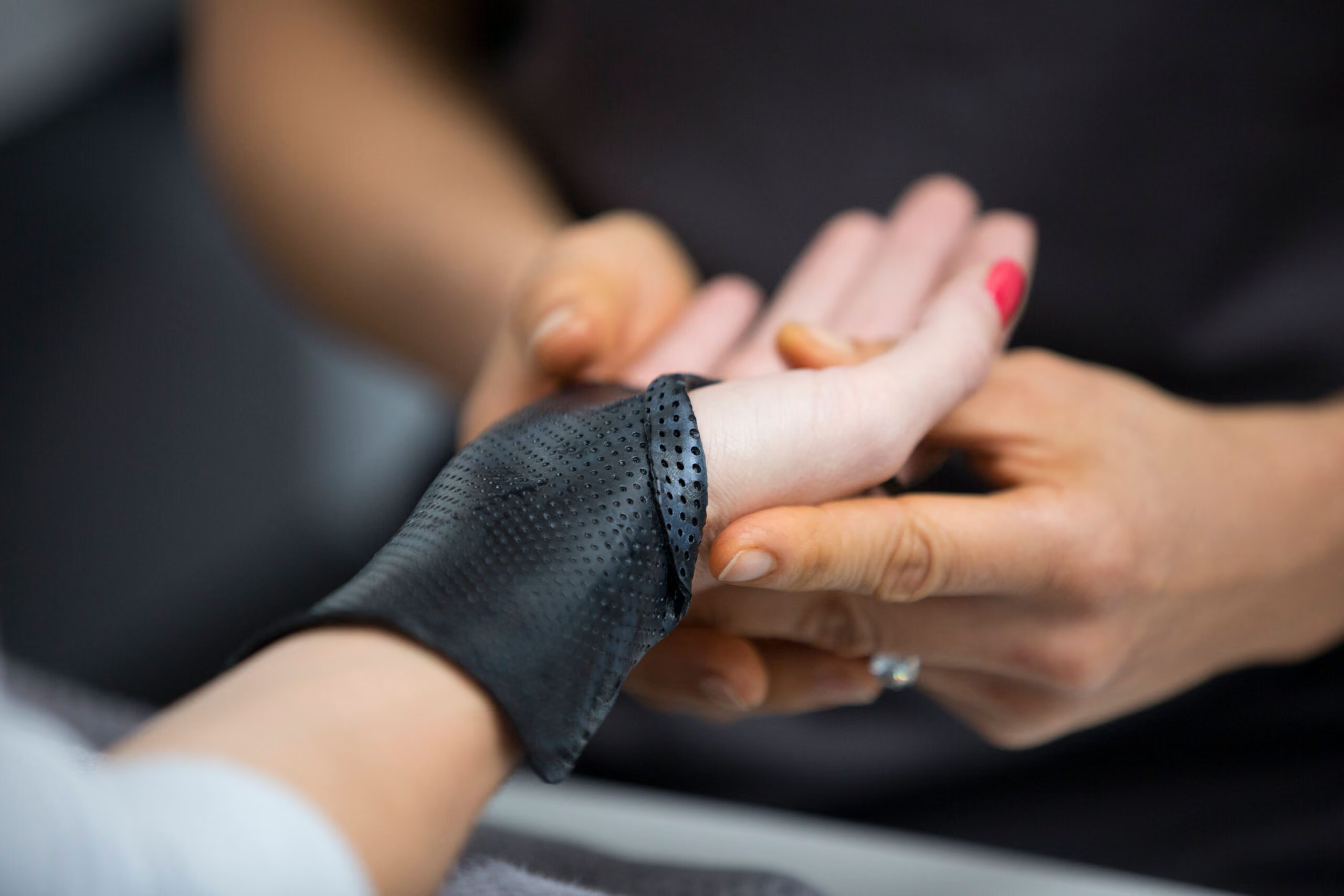
Relieve wrist pain and finger numbness with evidence-based hand therapy. We provide tailored splinting and nerve-gliding protocols for lasting relief.

Understanding Carpal Tunnel Syndrome
Carpal tunnel syndrome occurs when the median nerve is compressed as it travels through the narrow carpal tunnel in your wrist. Compression is often driven by fluid retention during pregnancy, or extrinsic factors in the workplace, including prolonged typing, sustained forceful gripping, and using vibrating equipment.
The classic initial signs include pain, numbness, and a "pins and needles" sensation affecting the thumb, index, and middle fingers. These symptoms frequently manifest at night while lying down, often waking you from sleep. As the condition progresses, patients encounter symptoms during the day, leading to clumsiness, muscle weakness, and challenges with fine motor tasks such as opening doorknobs or buttoning clothes.
Early intervention prevents intermittent numbness from turning into permanent sensory loss and muscle wasting. Addressing the mechanical compression early allows for successful conservative management without the need for surgery. Strategies include wearing a custom wrist splint at night, to work place ergonomic changes.
Seek treatment when symptoms begin interrupting your sleep or when you notice pain and numbness during repetitive daily activities like typing, reading, or driving.
Carpal tunnel is highly common during the later stages of pregnancy due to systemic fluid retention. Night-time splinting is safe, highly effective, and the recommended first-line approach for expectant mothers.
Immediate medical escalation is required if you develop fixed, constant numbness or visible muscle wasting at the base of your thumb, as this indicates progressive nerve damage.
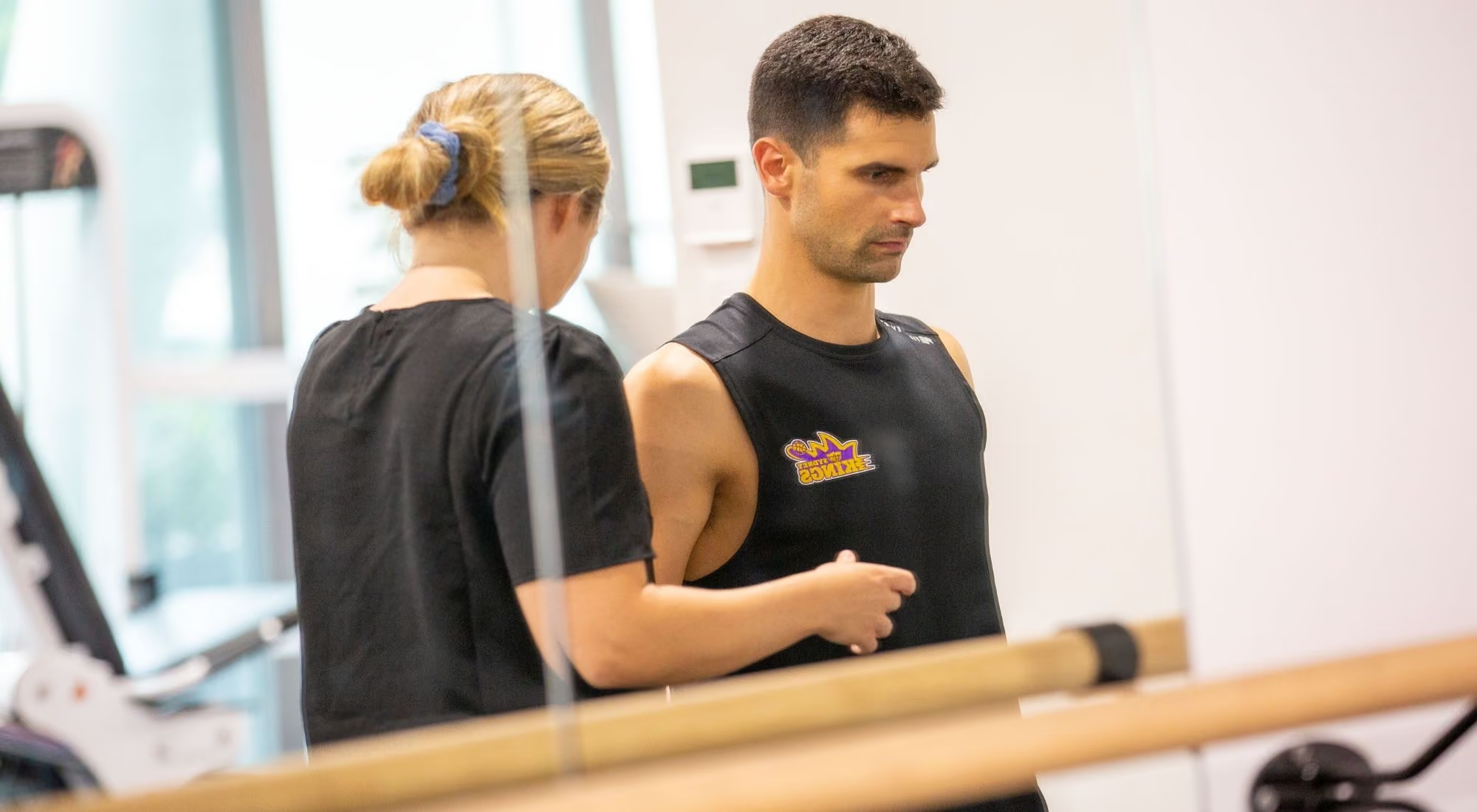
Clinical practice guidelines emphasize that the majority of patients should undergo an initial trial of conservative treatment before considering surgical intervention. Accurate diagnosis and targeted hand therapy form the cornerstone of this approach.
Our highly experienced Hand Therapist, Gloria Spratt, consults at our Lewisham clinic, bringing a specialised focus to complex upper limb, wrist, and nerve entrapment conditions.
We provide and fit specific resting splints designed to hold your wrist in a neutral position, directly relieving the mechanical pressure on the median nerve.
If conservative therapy plateaus, we work alongside your GP or specialist who may recommend corticosteroid injections into the carpal tunnel to quickly reduce inflammation and swelling.
A successful recovery plan relies on strict load management and targeted exercises to reduce pressure within the carpal canal. Sustained wrist flexion or extension drastically increases this pressure, making mechanical offloading critical.
The primary first-line treatment is the fitting of a night-time wrist splint to maintain a neutral wrist position, which prevents pressure spikes and nerve irritation while you sleep.
Under the guidance of our Hand Therapist, you will commence targeted tendon-gliding and nerve-gliding exercises designed to improve the mobility of the median nerve and reduce friction within the carpal tunnel.
We integrate ergonomic activity modifications—such as maintaining a neutral wrist posture at the keyboard and avoiding sustained gripping—to facilitate a safe return to repetitive work and daily tasks.
Who treats this?
Our experienced team members are ready to help. See their bios below and book online when ready.
.avif)
All major health funds accepted
Private health claiming via Tyro Health EFTPOS terminal











FAQ

The good news is that pregnancy-induced carpal tunnel often settles naturally in the weeks or months after giving birth. Night-time splinting is the safest and most effective first-line treatment to manage symptoms during this period.
Yes, frequent flexion and extension of the wrist, as well as sustained awkward wrist postures at a keyboard or mouse, significantly increase pressure in the carpal canal and elevate your risk of developing the condition.
Most people do not need surgery and respond well to conservative care. Surgery is typically only recommended when nerve tests show severe-grade compression, if there is visible muscle wasting at the base of the thumb, or if a fair trial of splinting fails.
Nerve glides (or neural flossing) are specific, gentle movements designed by your hand therapist to help the median nerve slide smoothly through the carpal tunnel, preventing it from getting tethered or irritated by surrounding inflamed tissues.
An NCS is not mandatory for every patient, but it is highly recommended if you experience atypical symptoms, persistent weakness, or if we need to confirm the exact severity of the nerve compression prior to a surgical referral.