

Pregnancy
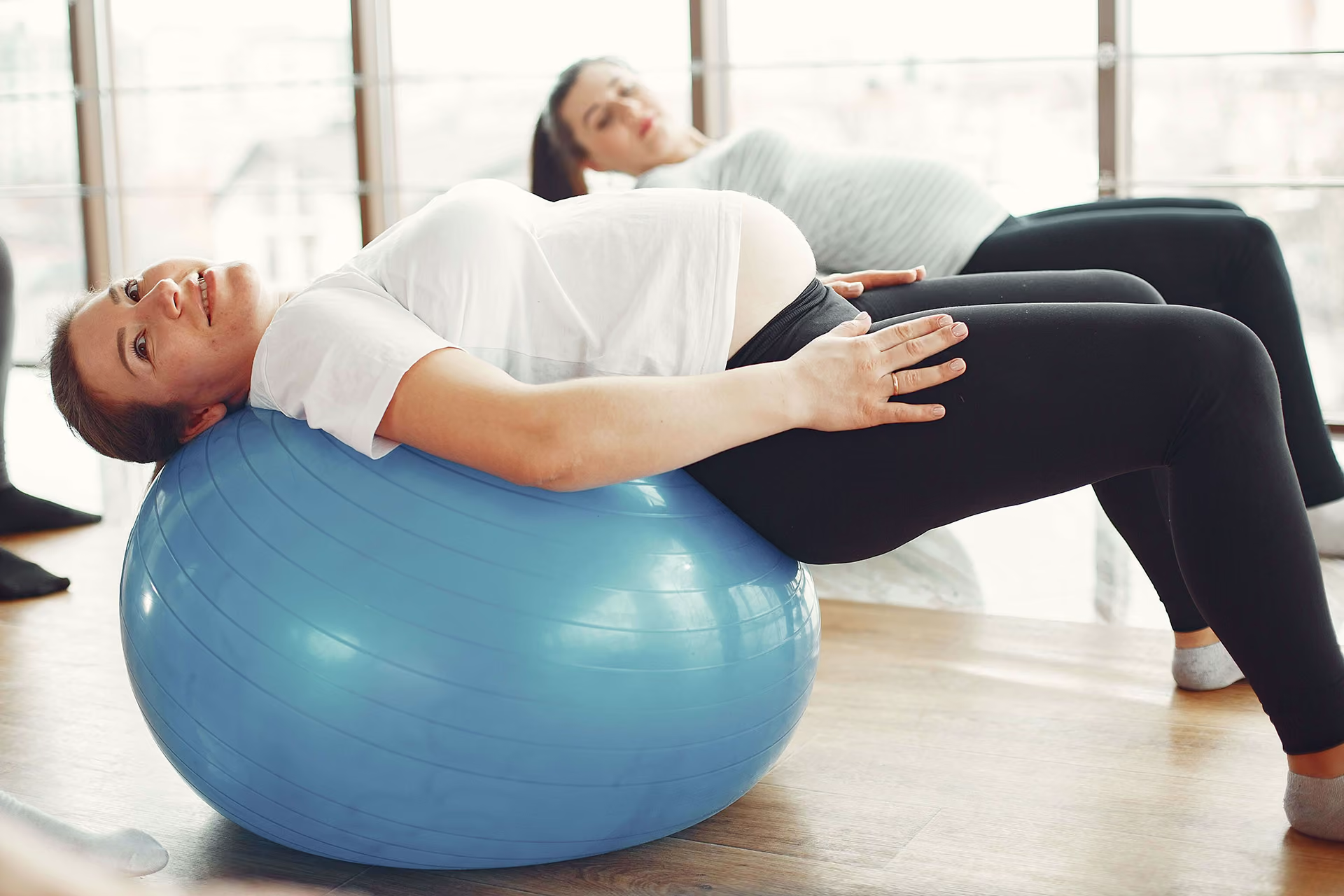
Empowering women to continue training, competing, and living actively throughout their pregnancy.
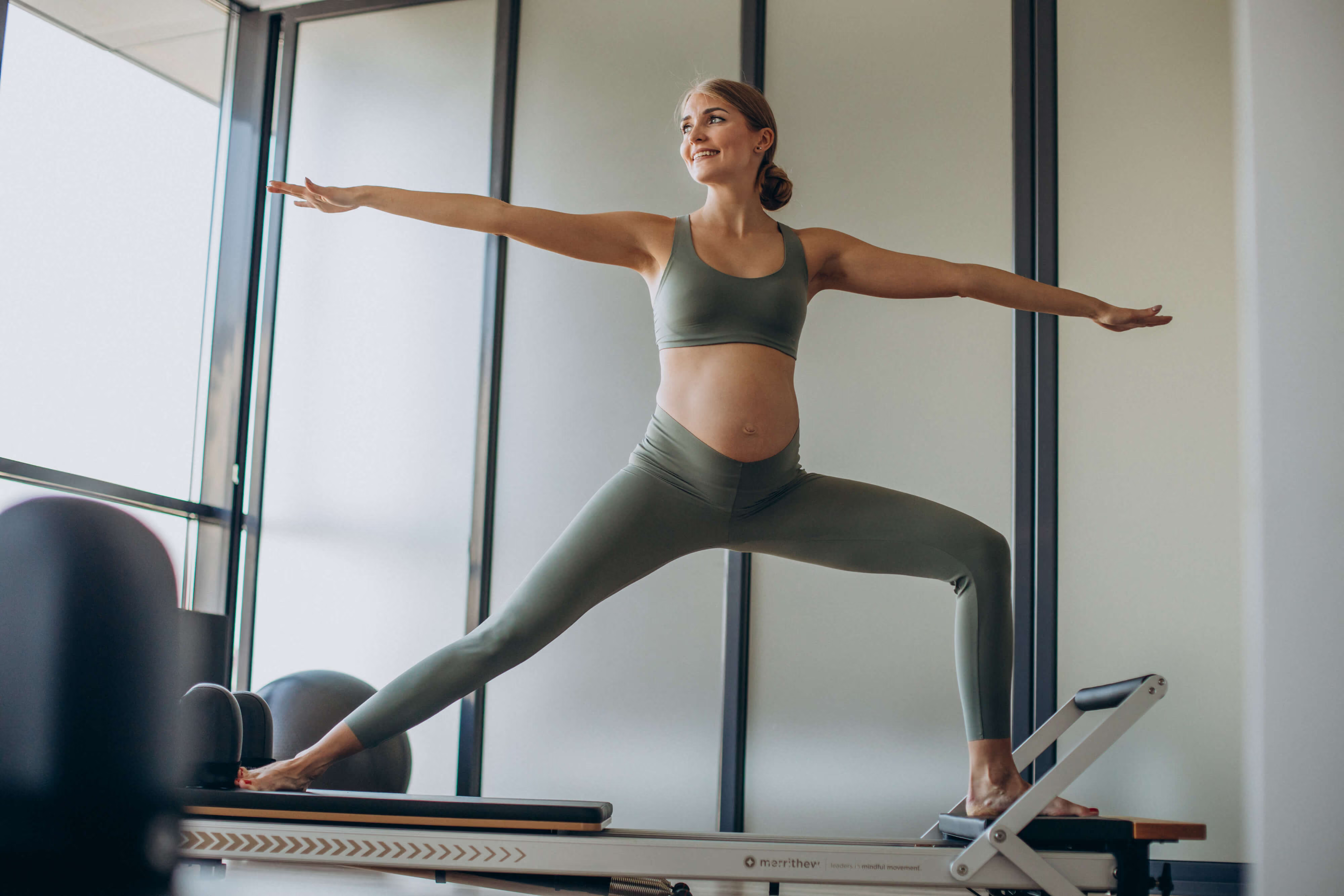
Pregnancy changes the way your body moves, loads, and recovers.
Pregnancy brings unique physical and hormonal changes that affect athletic performance, recovery, and overall well-being.
At the Active Female Hub, we support active women through the physical, hormonal, and performance changes that occur during pregnancy.
Whether you are continuing strength training, running, Pilates, gym-based exercise, sport, or simply wanting to move confidently throughout pregnancy, our team provides evidence-based care tailored to your changing body and training goals.
Our goal is to help women stay active safely during pregnancy while supporting long-term health, performance, and postpartum recovery.
Seeking early guidance helps you safely navigate physical changes, balance your workload with pregnancy fatigue, and avoid overtraining. Proactive care ensures your core foundation and nutritional intake support your evolving needs throughout each trimester.
Active women wanting to safely maintain cardiovascular fitness, strength routines, and running frequency as their pregnancy progresses.
Early in pregnancy to establish a strong baseline, learn safe exercise alternatives, and implement proper micronutrient strategies.
Experiencing chronic pelvic or hip pain, stress incontinence, or unmanaged fatigue that impacts your confidence to move and lift.
At the Active Female Hub, we believe women deserve specialised guidance that helps them continue moving, training, and exercising confidently throughout pregnancy.
Programs may include:
- Pregnancy-specific strength and conditioning
- Running and cardiovascular exercise modification
- Postural and movement assessment
- Stability and mobility training
- Fatigue-aware exercise progression
- Preparation for postpartum return to exercise
We address:
- Pelvic floor muscle function
- Stress urinary incontinence during exercise
- Diastasis Recti Abdominis (DRA) assessment and management
- Breathing and diaphragm mechanics
- Pelvic pain and pressure symptoms
- Preparation for labour, birth, and postpartum recovery
Our Dietitians assist with:
- Energy intake and recovery support
- Iron, calcium, Vitamin D, and folate intake
- Hydration strategies for exercise
- Managing pregnancy-related fatigue
- Healthy weight gain guidance
- Nutrition to support both maternal and fetal health
A successful plan must work closely with your changing body, respecting fatigue while maintaining strength and stability. We focus on progressive loading and safe movement modifications to prepare you for childbirth and postpartum recovery.
Too often, women are told to stop exercising altogether or are left guessing how to modify training safely. At the Active Female Hub, we believe women deserve specialised guidance that helps them continue moving, training, and exercising confidently throughout pregnancy.
- Joint stability and ligament support
- Core and pelvic floor function
- Breathing and pressure management
- Recovery capacity and fatigue
- Balance and movement mechanics
- Exercise tolerance and cardiovascular demand
- Pelvic girdle pain and lower back pain
- Pelvic floor symptoms during exercise
- Abdominal weakness or separation (DRA)
- Hip, SIJ, and pubic symphysis pain
- Reduced confidence with training
- Uncertainty around what is safe during pregnancy
We commonly manage:
- Pelvic girdle pain (PGP) and SIJ dysfunction
- Lower back, hip, and pubic symphysis pain
- Running-related discomfort and pressure symptoms
- Tendon and joint pain associated with pregnancy
- Exercise modification and load management
- Stability and movement retraining during hormonal change
Who treats this?
Our experienced team members are ready to help. See their bios below and book online when ready.
.avif)
.avif)
.avif)
.avif)
.avif)
.avif)
.avif)
All major health funds accepted
Private health claiming via Tyro Health EFTPOS terminal











FAQ

Common issues requiring management include pelvic girdle pain, sacroiliac joint dysfunction, lower back pain, and carpal tunnel syndrome.
Our sports physiotherapists assess your mechanics and guide you on adjusting pace, intensity, and frequency to safely manage pelvic pressure across all trimesters.
Our pelvic health physiotherapist provides targeted assessment and strategies for preventing and managing Diastasis Recti Abdominis while safely maintaining global core strength.
Our dietitian helps optimise energy intake and focuses on critical micronutrients like iron, folate, calcium, and Vitamin D to support both maternal and fetal health.
Yes, our exercise physiologists create tailored programs focusing on safe progressive loading and necessary modifications, like avoiding supine exercises after the first trimester.