

Lower Back

The Zone 34 Method
Our structured framework bridges the gap between acute lumbar discomfort and long-term physical resilience, moving you through a clear, evidence-informed pathway to full function.
We conduct a detailed clinical evaluation using objective testing tools to identify the primary driver of your lower back symptoms. From these findings, we map out a targeted, step-by-step management strategy tailored to your lifestyle and goals.
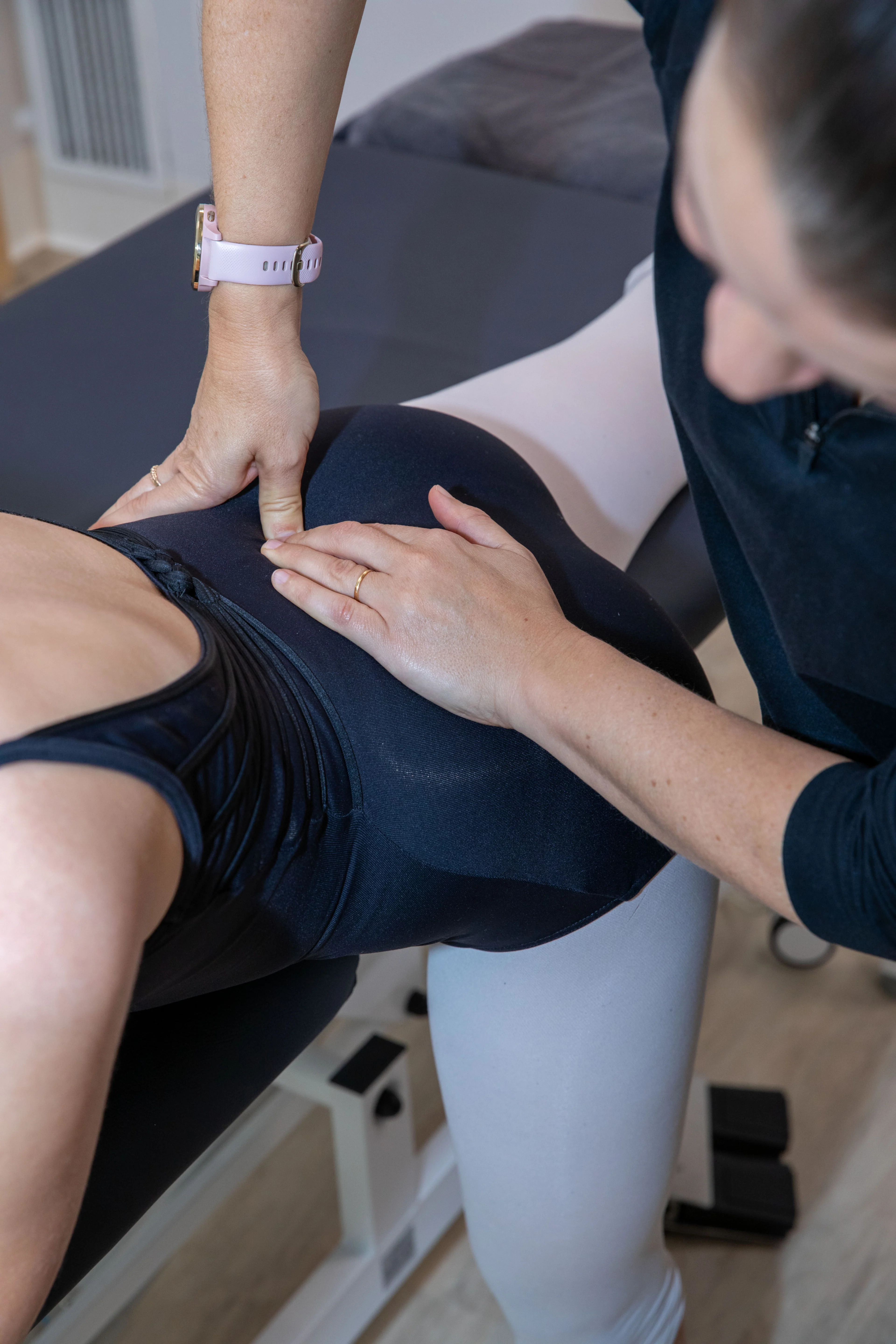
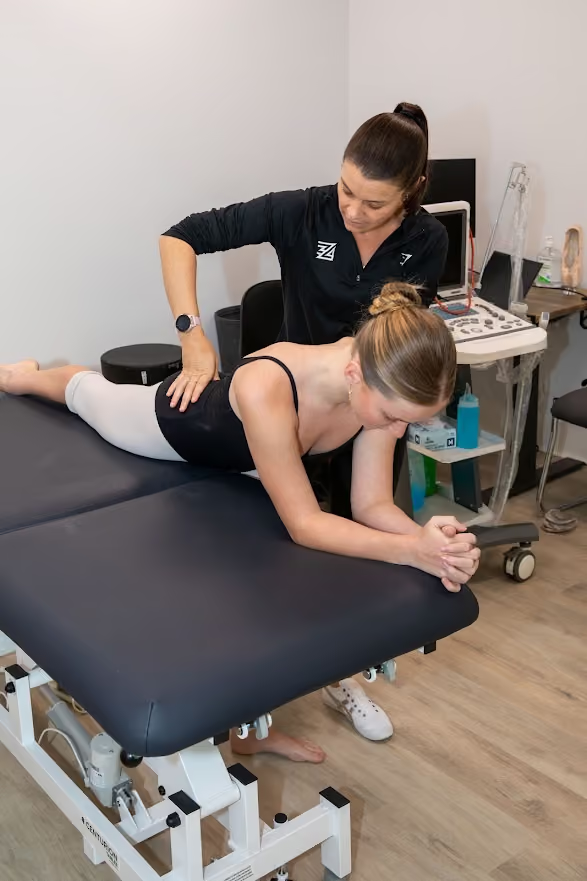
Your recovery combines targeted hands-on therapy, guided exercise, and practical movement advice to rebuild lumbar spine capacity. When appropriate, our physiotherapists, exercise physiologists, and dietitians work together to support all aspects of your physical health.
Advancement through your program is dictated by measurable strength, mobility, and functional milestones rather than arbitrary timelines. This ensures you build the genuine structural capacity required to return to daily activities or high-level sport with complete confidence
Lower back symptoms can significantly impact your movement, work capacity, and quality of life. At Zone 34, we move beyond short-term relief by combining advanced objective testing technology with structured management plans tailored to your specific spinal health goals.
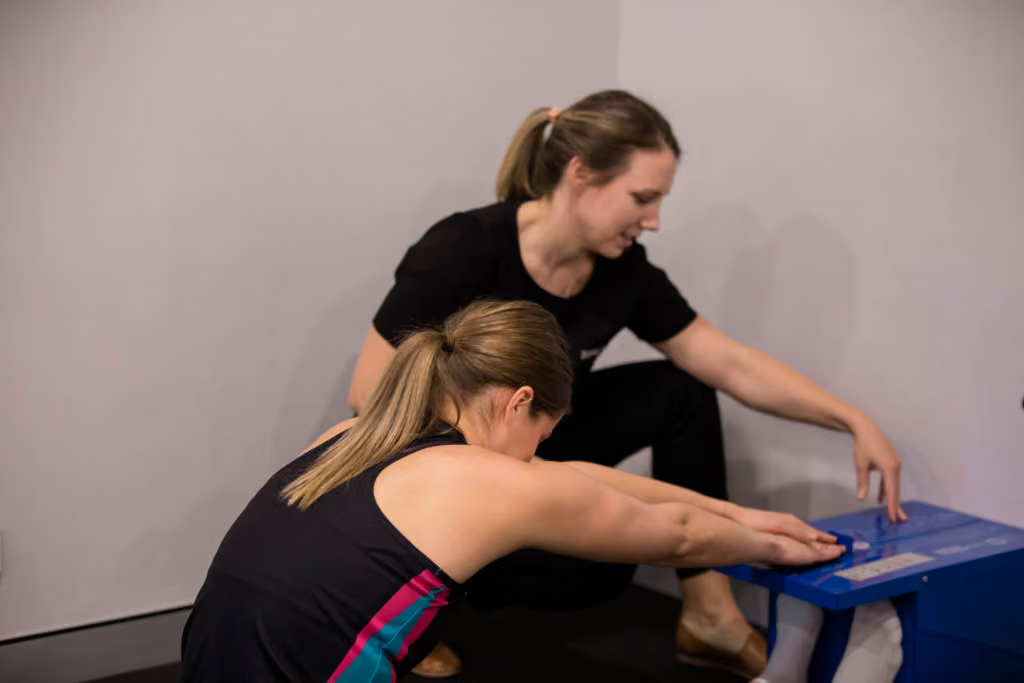
We utilise data-driven testing tools to measure trunk strength, movement symmetry, and load capacity accurately. This ensures your care plan is guided by measurable physical metrics rather than guesswork.
Every lower back condition requires an individualised approach to movement and load progression. We design structured exercise programmes aimed at restoring structural capacity and building lasting confidence in your spine.
Our team collaborates across disciplines to guide your transition seamlessly from acute discomfort to high-level function. Whether your goal is sitting comfortably at work or returning to competitive sport, we support every step of your recovery.
All major health funds accepted
Private health claiming via Tyro Health EFTPOS terminal











FAQ

If your lower back pain persists beyond a few days, limits your ability to perform daily tasks, or radiates into your buttocks or legs, a detailed assessment is recommended to identify the driver of your symptoms and guide appropriate management.
In most cases, a thorough clinical examination provides the necessary information to begin your management plan. Diagnostic imaging is only recommended if specific clinical signs indicate it is necessary to inform your care.
A disc herniation refers to structural changes in a lumbar spinal disc. Sciatica refers to the symptoms—such as nerve irritation, numbness, or radiating leg pain—that can occur when a lumbar nerve root is irritated, which is sometimes caused by a disc herniation.
Yes, targeted and appropriately modified exercise is generally safe and plays a key role in lower back recovery. Our team guides you through specific, comfortable movements designed to build tolerance without aggravating your condition.
Recovery timelines depend on the specific condition, its severity, and individual health factors. Acute back strain often improves within a few weeks, whereas conditions such as lumbar stress fractures or persistent nerve irritation may require a structured, multi-month rehabilitation plan.