

Shoulder
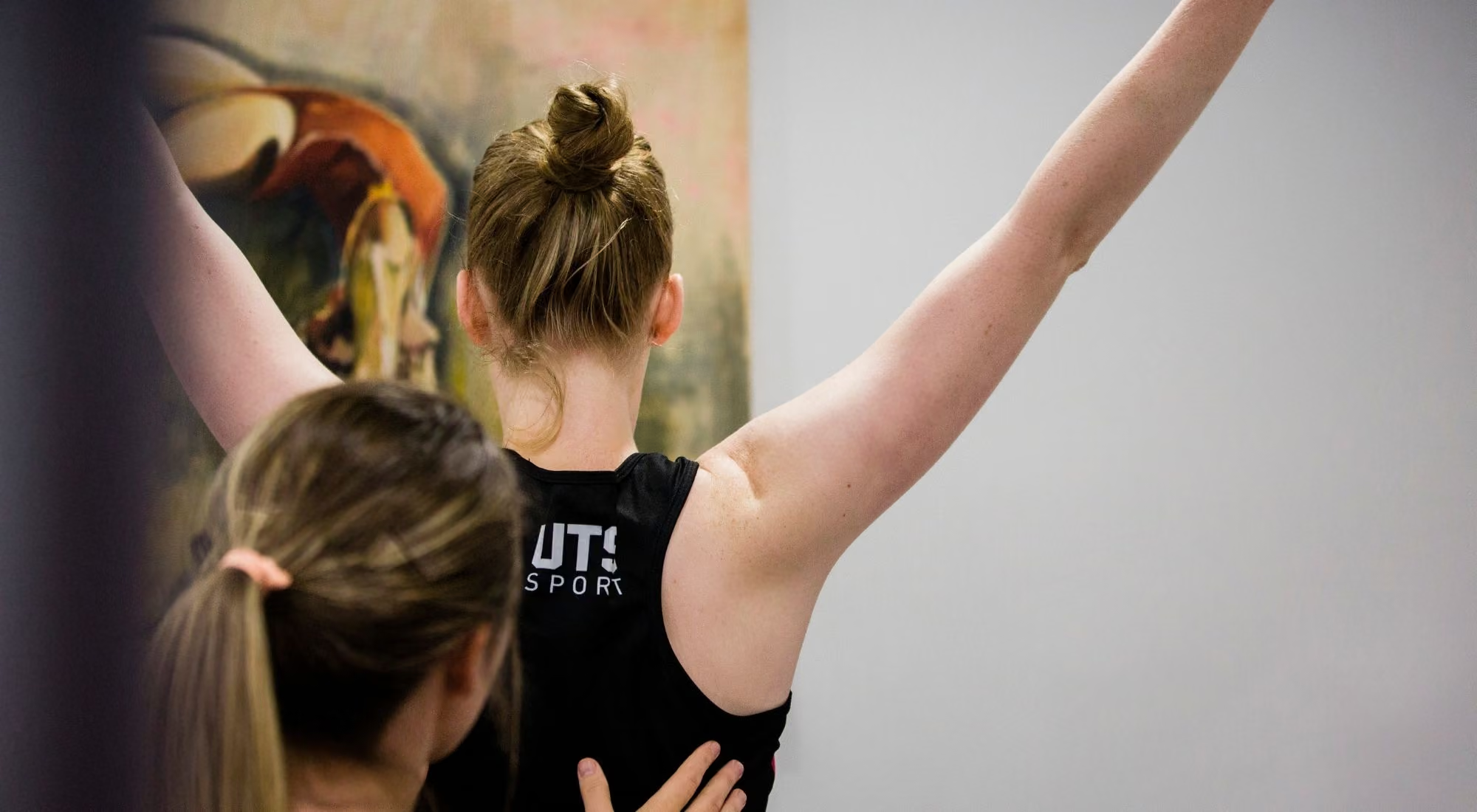
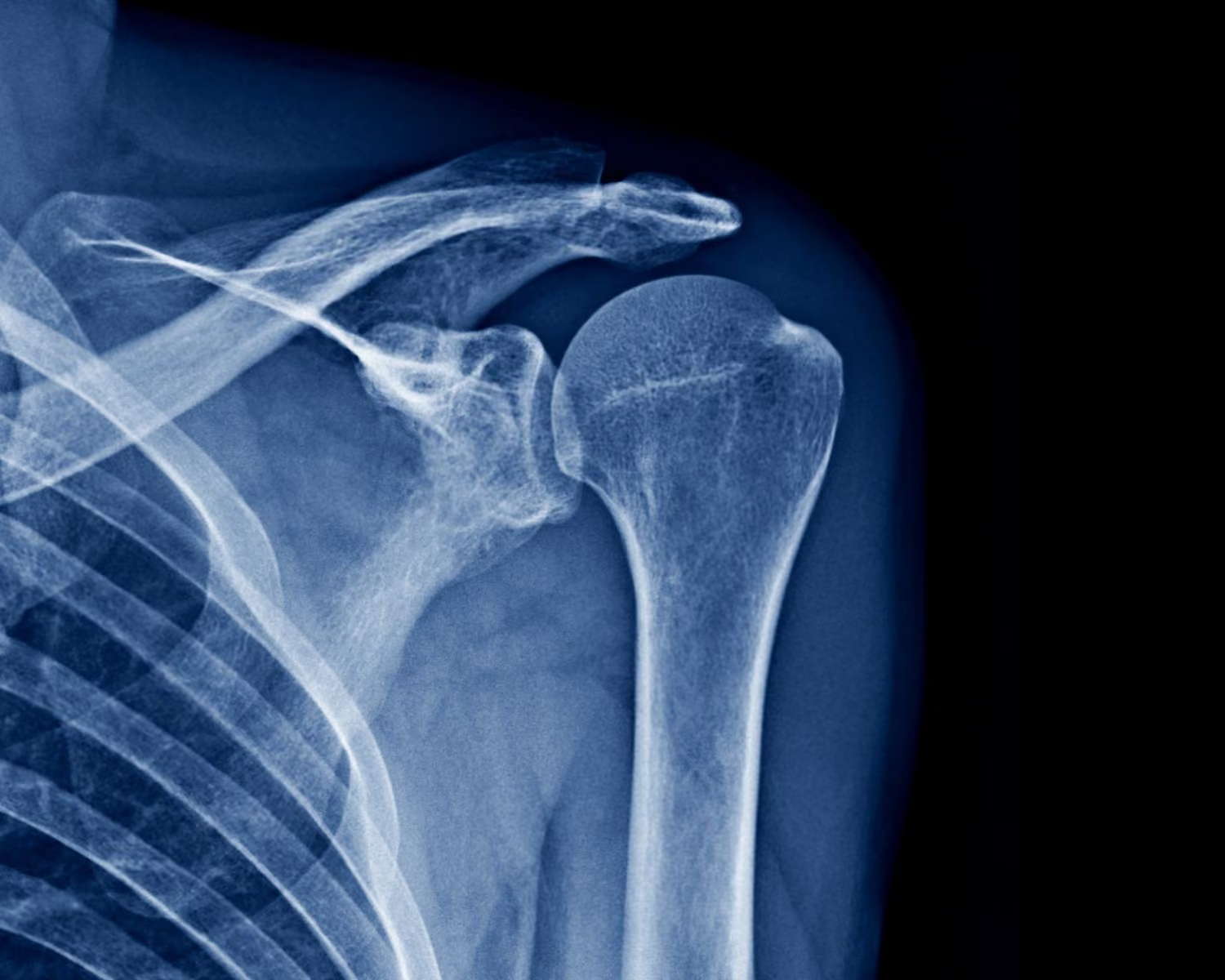
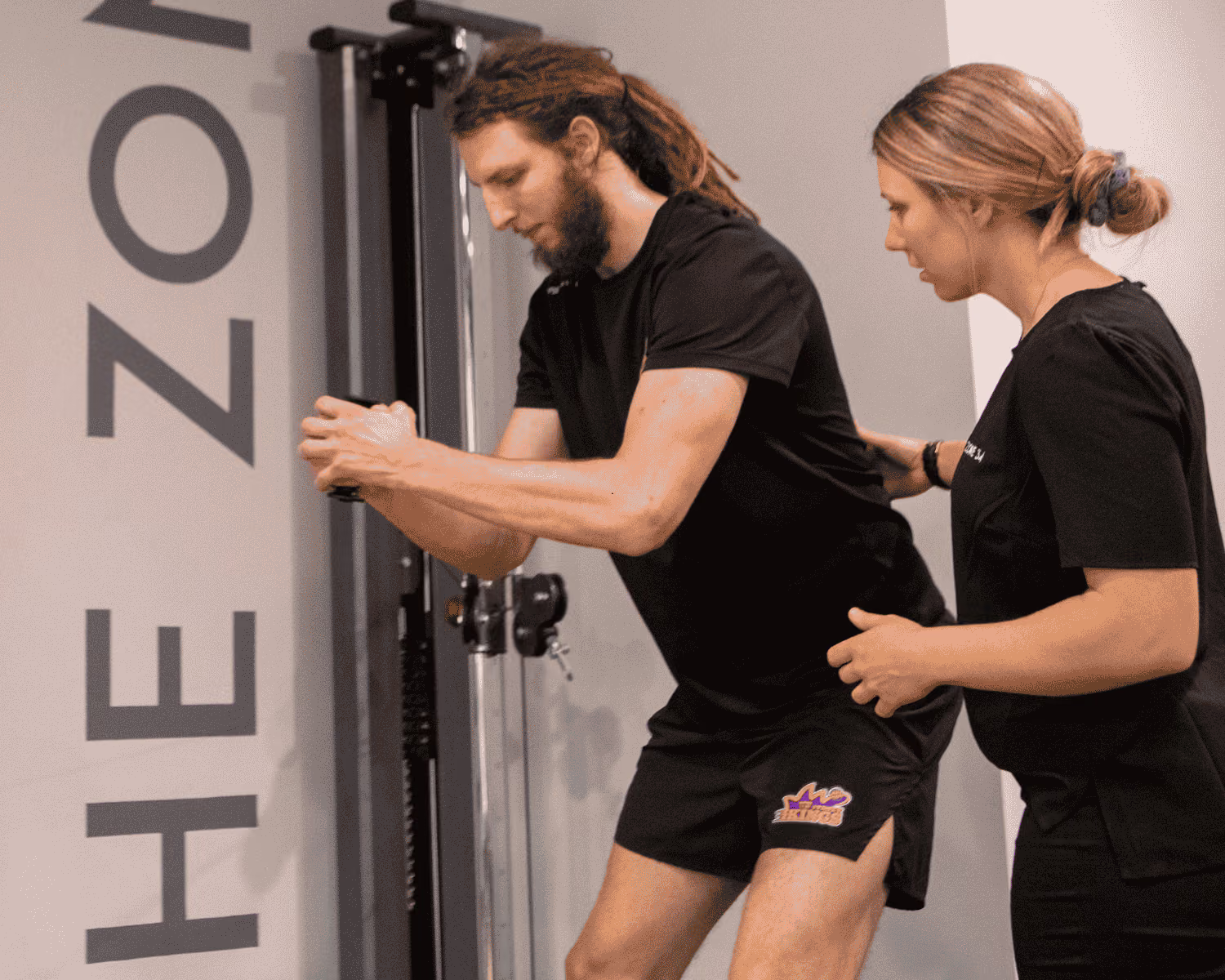
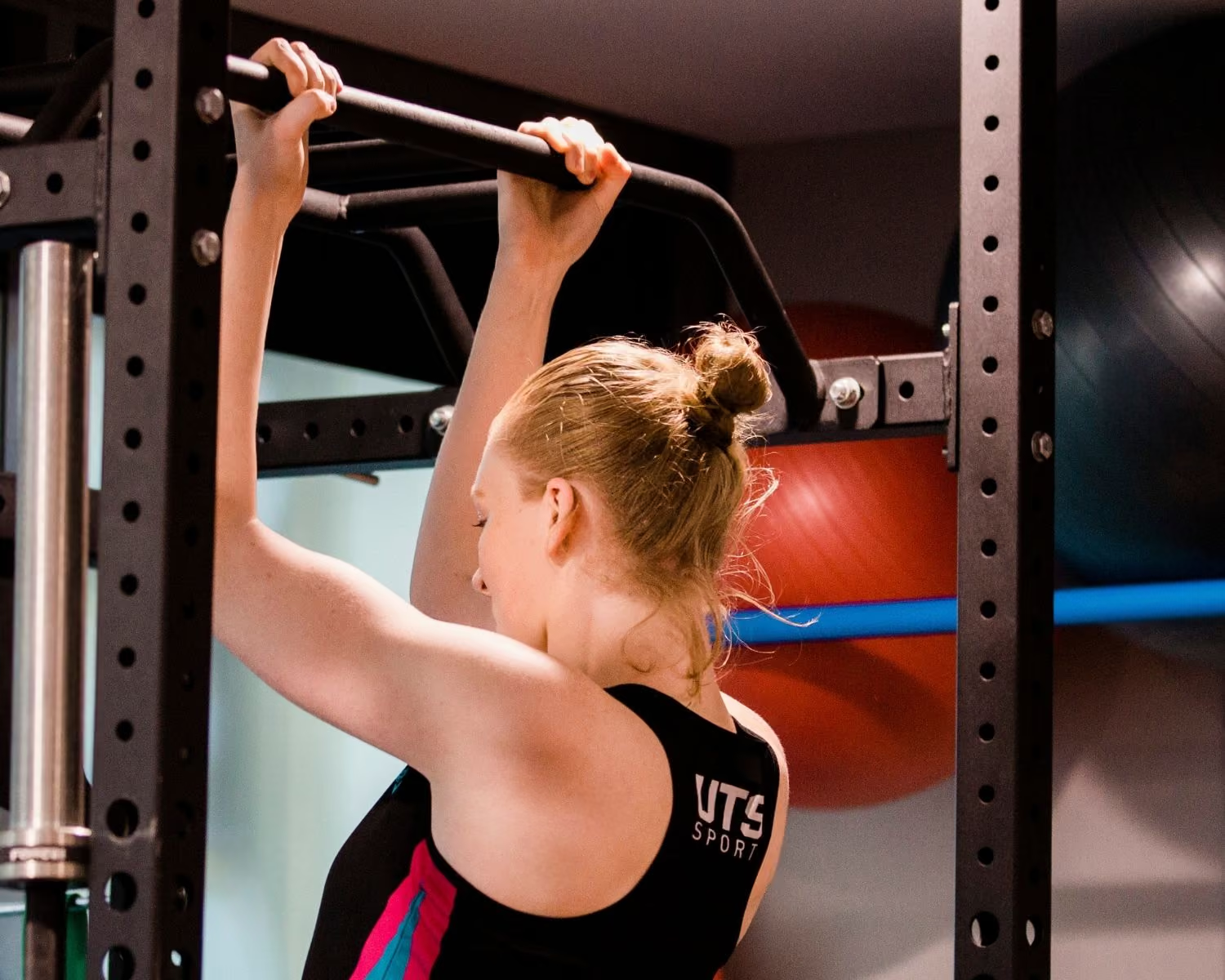
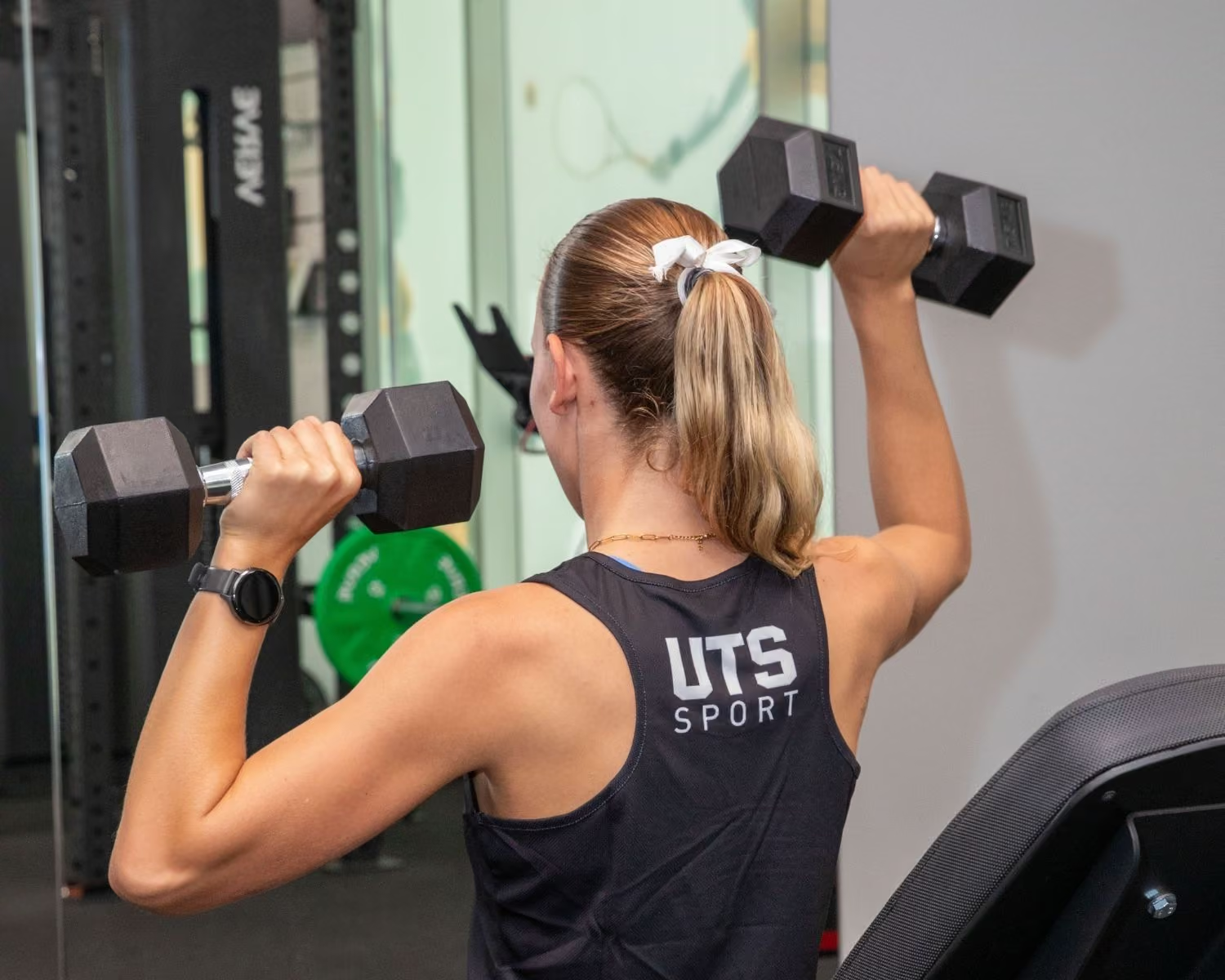
The Zone 34 Method
Our framework bridges the gap between acute pain relief and elite physical performance. The Zone 34 Method provides a structured, individualised approach to shoulder rehabilitation, guiding your recovery through three distinct, data-driven phases.
We evaluate your shoulder mobility, movement patterns, and baseline strength. This allows us to understand the contributing factors to your discomfort and develop a clear, personalised roadmap for your recovery.
We utilise evidence-based manual treatment, prescribed exercises, and practical guidance to build your spinal capacity and daily function. Where appropriate, our team provides integrated care across disciplines, including Physiotherapy, Exercise Physiology, Massage Therapy and Hand Therapist, to support your holistic recovery.
Your recovery is guided by objective strength and functional milestones, rather than simple timeframes. This ensures a confident, safe, and lasting return to your normal daily activities, work, or sporting performance.
We combine clinical expertise with state-of-the-art rehabilitation facilities to provide comprehensive care for your shoulder and upper limb.
Our clinical team has extensive experience in managing complex shoulder and scapular conditions. We tailor our rehabilitation strategies to address the unique biomechanical needs of the shoulder joint and your specific movement goals.
We offer seamless coordination between Physiotherapists and Exercise Physiologists to ensure your treatment progresses smoothly from initial pain management to advanced strength conditioning. This unified approach maximises the effectiveness of your rehabilitation.
We prioritise active rehabilitation techniques that empower you to take control of your joint health. By equipping you with the right movement habits and progressive upper body exercises, we help build the capacity needed to minimise future shoulder issues
All major health funds accepted
Private health claiming via Tyro Health EFTPOS terminal











FAQ

Prolonged use of a sling is generally not recommended unless specifically advised for severe acute trauma or immediately following surgery. Early, gentle movement is often encouraged to prevent stiffness and support functional recovery. Consult one of our team to confirm the best approach for you.
In most cases, routine imaging is not required to begin an effective rehabilitation program. A thorough clinical assessment is usually sufficient to guide treatment, though we will refer you for a scan, or back to your doctor, if specific clinical indicators are present.
Recovery timeframes vary significantly depending on the nature of the issue—such as a minor rotator cuff strain versus a frozen shoulder—and your daily physical demands. We utilise objective testing throughout your program so you have a clear understanding of your progress and expected milestones.
Physiotherapists typically focus on diagnosing the issue, providing manual therapy, and guiding early-stage exercises to manage acute symptoms and restore capacity. . Exercise Physiologists specialise in the later stages of rehabilitation, using structured resistance training to rebuild upper limb strength for long-term functional capacity.
Often, you can continue some form of modified activity. We work with you to adapt your current training or sporting commitments, ensuring you stay as active as possible without overloading your shoulder as it heals. This may include finding alternative training options to keep you moving.