

Muscle Strain
Injury treatment
.avif)
.avif)
The Zone 34 Method
Our approach to muscle strain recovery focuses on an objective, phased rehabilitation journey. We combine clinical expertise with active management to ensure your muscle heals properly and can handle the demands of your lifestyle.
We begin by accurately diagnosing the extent of your muscle strain and identifying any contributing factors. Understanding the grade of injury, and the tissue involved, is crucial when planning timeframes. Together, we develop a personalised rehabilitation plan tailored to your specific goals and injury.
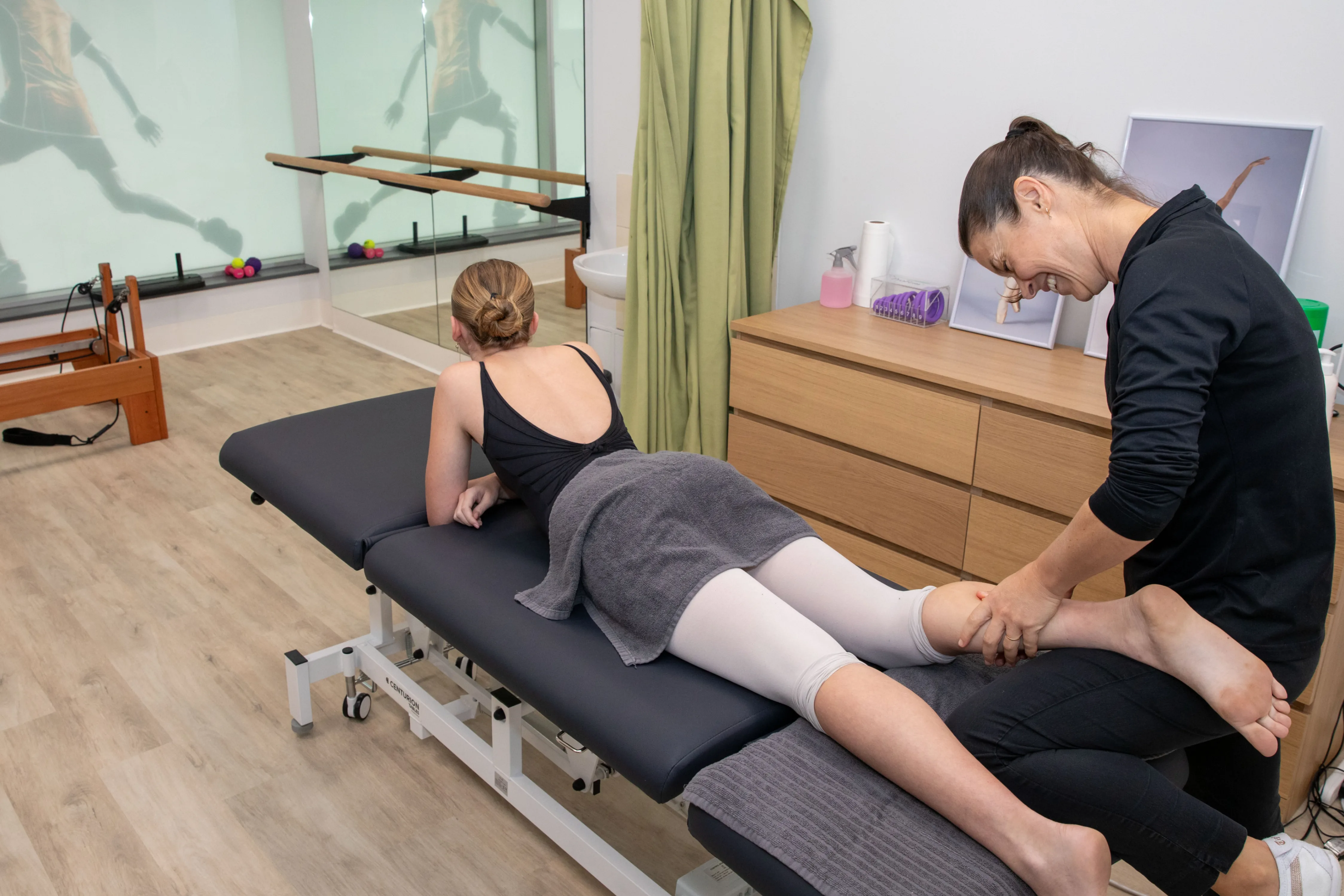
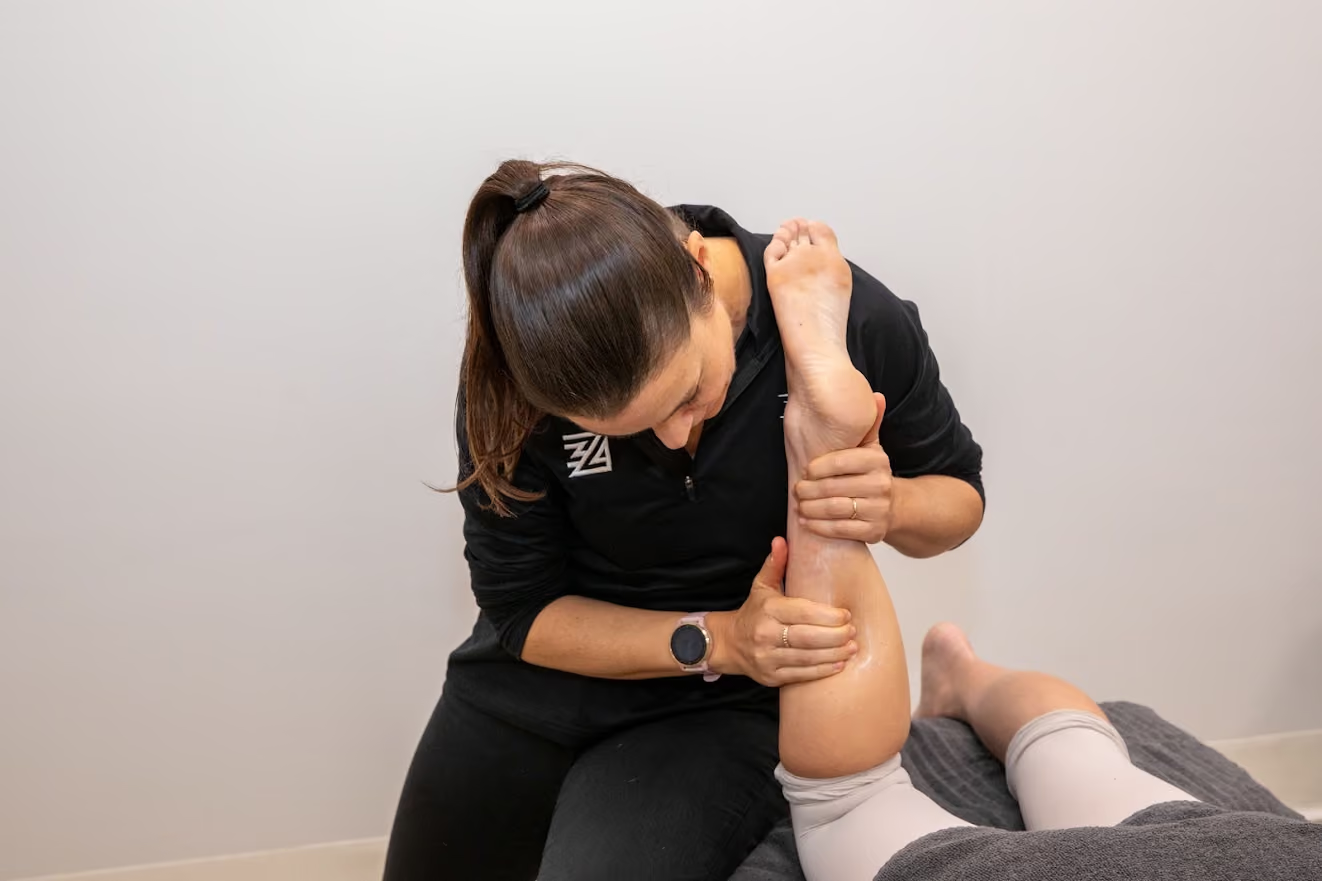
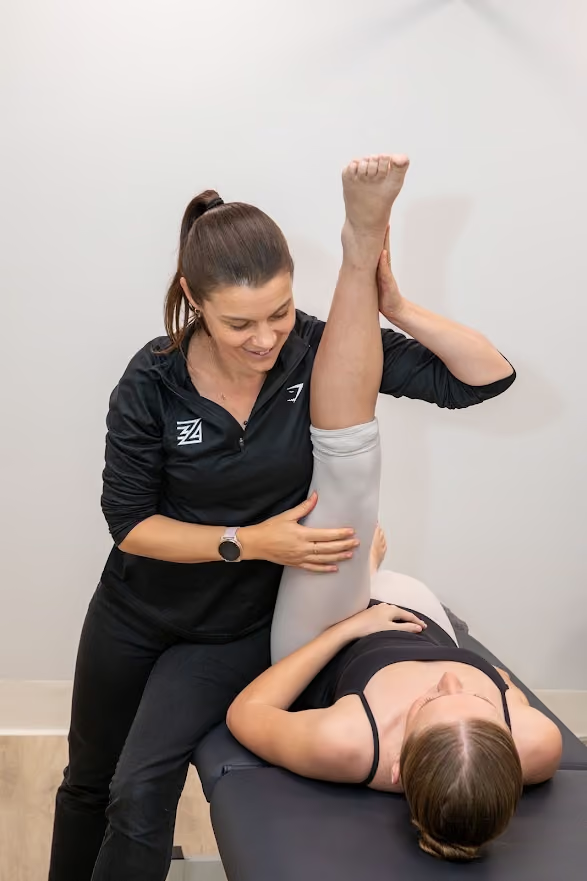
Your recovery involves a combination of manual therapy to manage symptoms and targeted exercises to restore tissue capacity and function. We take a collaborative approach, integrating care across disciplines like Physiotherapy, and Exercise Physiology to combine strength and conditioning principles
We guide your return to normal activity or sports based on objective strength and functional criteria, rather than just time. This ensures your muscle is genuinely ready to perform, giving you confidence and minimising the risk of re-injury.
Recovering from a muscle strain requires more than just rest; it requires targeted loading and expert guidance. At Zone 34, our team has extensive experience managing all grades of muscle injuries, across AFL, Soccer, Rugby, Basketball and Netball.
Having worked in both professional and sub elite sports our practitioners have a deep understanding of muscle tissue healing timelines and biomechanics. We apply evidence-based protocols to ensure your muscle fibres repair and remodel optimally.
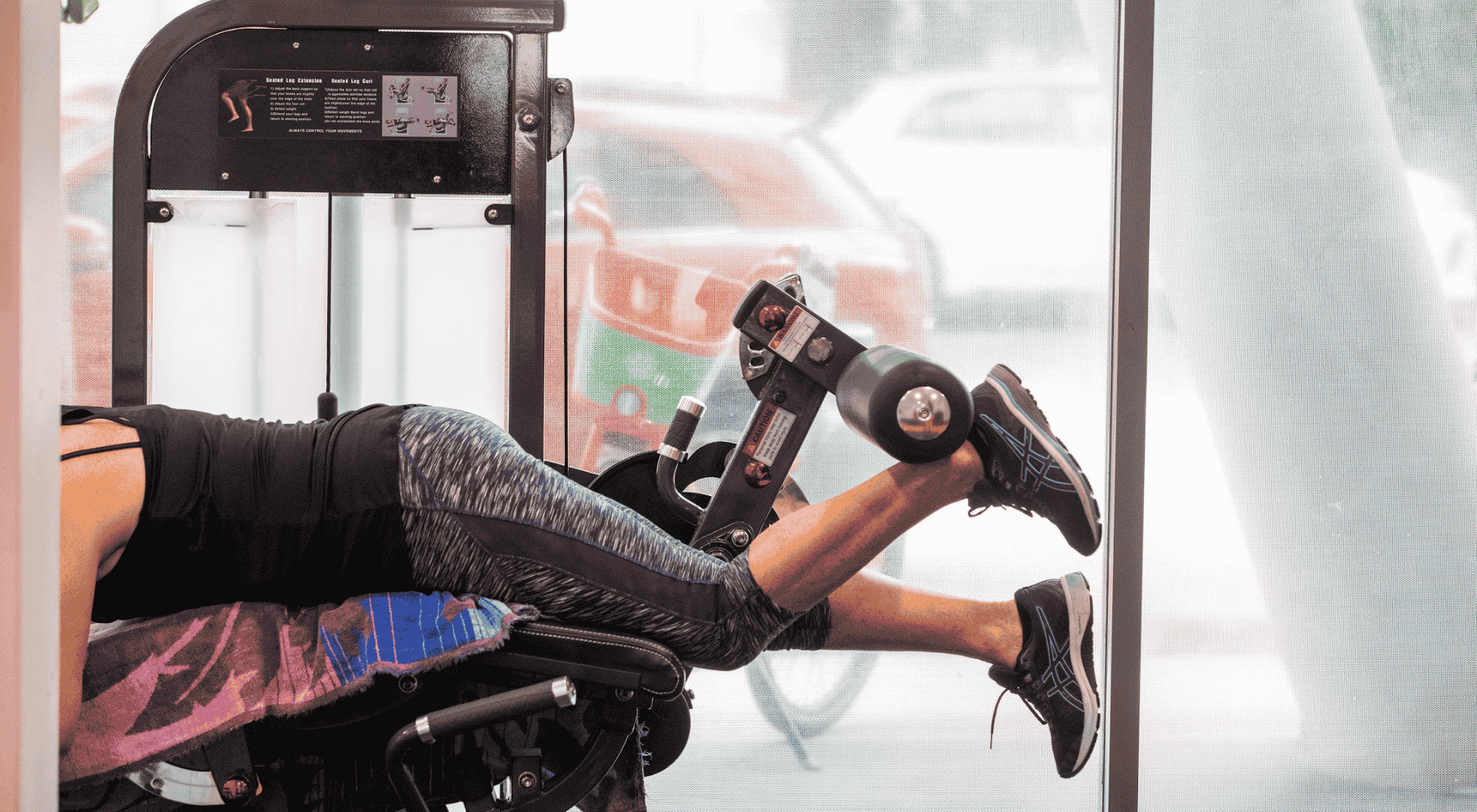
We utilise VALD objective strength testing equipment to accurately measure your muscle capacity throughout your rehabilitation. This data allows us to precisely track your progress and make informed decisions about your recovery.
Whether you are a professional athlete or a weekend warrior, we tailor your rehabilitation to the specific demands of your chosen activity. Our facility is equipped to simulate the movements you need to perform, bridging the gap between clinical treatment and real-world function.
All major health funds accepted
Private health claiming via Tyro Health EFTPOS terminal









FAQ

Recovery time depends on the severity of the strain and the specific muscle involved. Minor strains may take a few weeks, while more significant tears can require several months of structured rehabilitation.
Current evidence has moved away from the traditional 'RICER' method of strict rest and icing. Newer approaches, like the POLICE and PEACE & LOVE protocols, suggest heavy icing can delay the natural inflammation needed for tissue repair. Instead, focus on protecting the injury, managing swelling with compression, and introducing 'optimal loading'—moving the muscle safely as soon as possible. Your practitioner will guide your early recovery.
Gentle range-of-motion exercises are often introduced early, but aggressive stretching should be avoided in the initial acute phase as it can disrupt the healing tissue. We will guide you on when and how to safely incorporate flexibility work into your programme.
Imaging like an ultrasound or MRI is not always necessary for a muscle strain, as a thorough clinical assessment can usually determine the diagnosis and severity. If your recovery is not progressing as expected, we may refer you for a scan to gather more information.
Recurrent muscle strains often occur if the muscle hasn't fully regained its original strength, or if underlying biomechanical issues haven't been addressed. Our criteria-based testing ensures you only return to full activity when your muscle can safely handle the load.