

Endometriosis
Holistic, whole-body care at the Active Female Hub. We help you manage pain, restore function, and regain control of your life.
Understanding Endometriosis
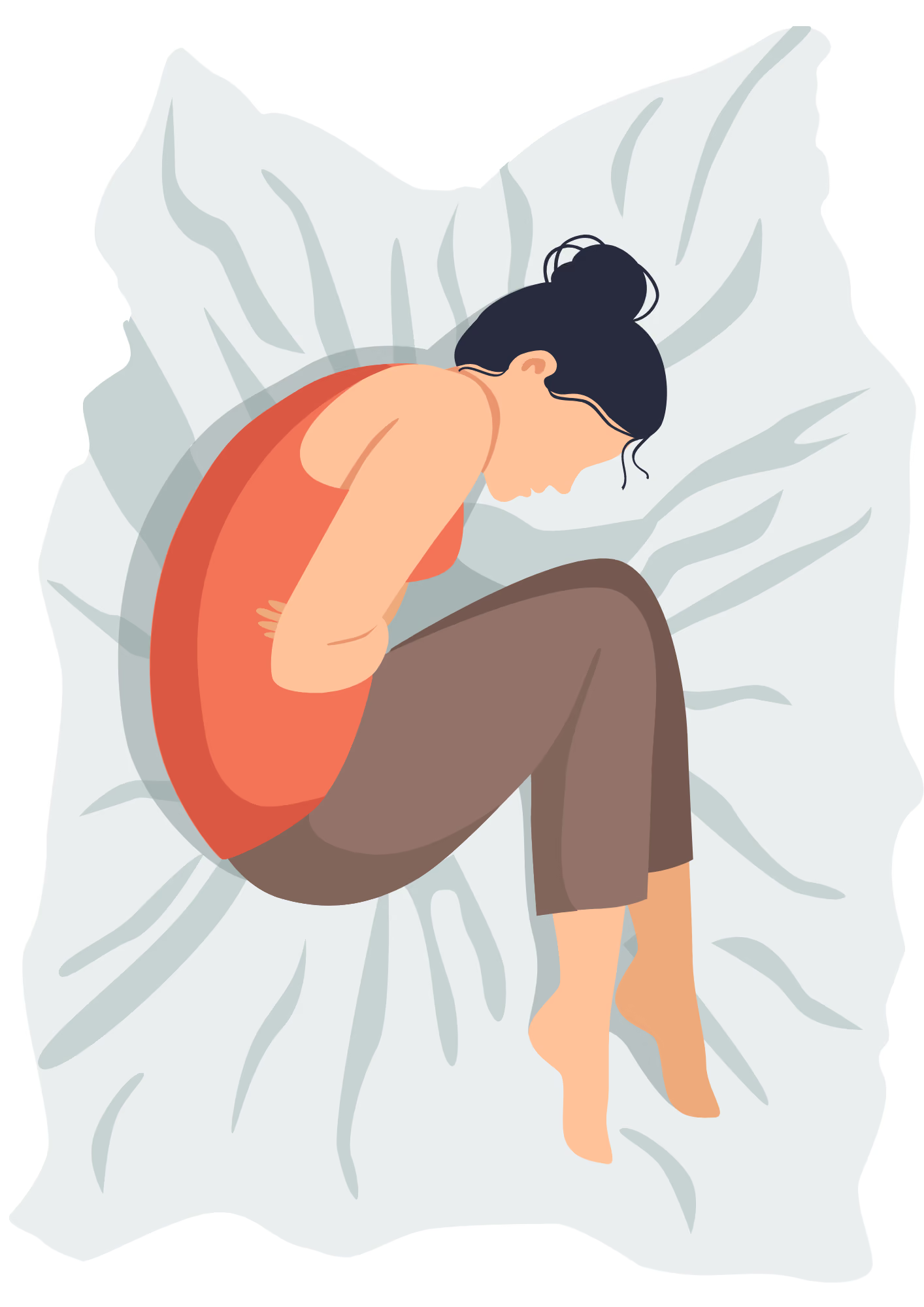
Endometriosis is a systemic inflammatory condition in which tissue similar to the uterine lining grows outside the uterus, most commonly in the pelvis. This tissue can become inflamed, develop into cysts, and cause severe pelvic pain, cramping, bloating, nausea, and persistent fatigue that heavily impacts daily life.
Endometriosis affects approximately 1 in 9 Australian women. Because the tissue can migrate, it frequently causes pain in other parts of your body and time to diagnosis can unfortunately be slow. While definitive diagnosis requires a laparoscopic examination, specialised ultrasounds can show signs of deep infiltrating tissue, and treatment can begin immediately based on a clinical assessment.
Early diagnosis and treatment are important to avoid worsening symptoms and the negative effects endometriosis can have on your mental health and relationships. Treatment options include:
Medication that are often used for Endometriosis include Hormonal (Oral Contraceptive Pill (OCP) or IUD) and non-hormonal (Pain medication, Non Steroidal Anti Inflammatory Medication)
Health care providers assist with management of endometriosis include women’s health physiotherapy, psychology, exercise physiology and dietetics
For some individuals, laparoscopic remove of the imposing tissue may be required
.avif)
While there is currently no cure for endometriosis, it can be effectively managed with a comprehensive, whole-body approach. At the Active Female Hub in Ultimo we tailor treatment to your specific life goals.
We listen to your story, assessing your pelvic floor, bladder, bowel, and sexual function alongside your whole body from your feet up to your neck and jaw.
Our Women's Health Physiotherapist works closely with a network of expert health professionals. We will refer you to Dietetics and Exercise Physiology when appropriate to ensure all aspects of your life affected by endometriosis are comprehensively supported.
We determine the main contributors to your pain and teach you how to recognise and manage your symptoms effectively, helping you feel more in control over your body.
Your rehabilitation focuses on unwinding compensation, managing inflammation, and restoring efficient movement patterns across your entire body. We build a progressive plan that safely adapts to your individual symptoms.
We utilise hands-on treatment, guided pelvic floor relaxation techniques, and targeted soft tissue releases to parts of the body contributing to your pain.
Specific exercises are prescribed to help your body move efficiently, actively reversing the constant muscle guarding and spasms that have developed over time.
We guide you through lifestyle modifications and the ongoing management of any bladder or bowel dysfunction and sexual pain, safely returning you to the activities you love.
Who treats this?
Our experienced team members are ready to help. See their bios below and book online when ready.
.avif)
.avif)
All major health funds accepted
Private health claiming via Tyro Health EFTPOS terminal











FAQ

It can only be formally diagnosed by a gynaecological examination with laparoscopy and a tissue biopsy. However, specialised ultrasounds can show signs like cysts, and you can begin physiotherapy treatment immediately based on a clinical diagnosis of your symptoms.
Pain often persists because you may have adopted a protective or guarded posture over the years. Even after lesions are removed, your muscles, nerves, and pelvic organs require treatment to reverse constant muscle spasms and neurogenic inflammation.
Treatment depends on your individual goals and includes medical options (hormonal or pain medication), surgical options (laparoscopic removal), and allied health support such as physiotherapy, psychology, and dietetics.
Yes. It can affect the whole body, altering loading patterns and causing muscle tightness or weakness that leads to pain in the hips, back, ribcage, neck, jaw, and even the feet.
We assess your whole body, determine the main contributors to your pain, and prescribe specific exercises, pelvic floor retraining, and soft tissue releases to help you move efficiently and regain control over your symptoms.