

Pre Pointe Assessment
.avif)
Ensure a safe, confident transition to pointe work with our comprehensive, evidence-based physical readiness screenings at the Active Female Hub.
What is a Pre-Pointe Assessment?
The transition to pointe work is a defining milestone in a dancer’s career, but it requires much more than just years of practice—it requires specific physical readiness. Our comprehensive clinical screening ensures the foot, ankle, and core are developmentally prepared for the unique, high-load demands of dancing en pointe.
This assessment is absolutely essential for young dancers, typically aged 11 to 14, preparing for their first pair of pointe shoes to ensure they have the necessary skeletal maturity and strength. It is also highly recommended for experienced dancers returning to pointe work after a significant dance injury or break to ensure they can safely tolerate the load.
Our standardised protocol evaluates the dancer across several key physical domains, providing objective data to ensure they can achieve the required positions safely and sustain the intense workload of pointe class without breaking down.
Screening is also highly valuable for dancers looking to identify specific biomechanical weaknesses, actively improving technical precision and promoting long-term dance longevity.
We measure the weight-bearing lunge and active plantarflexion range to ensure the dancer can achieve a true, safe vertical line on the box of the shoe.
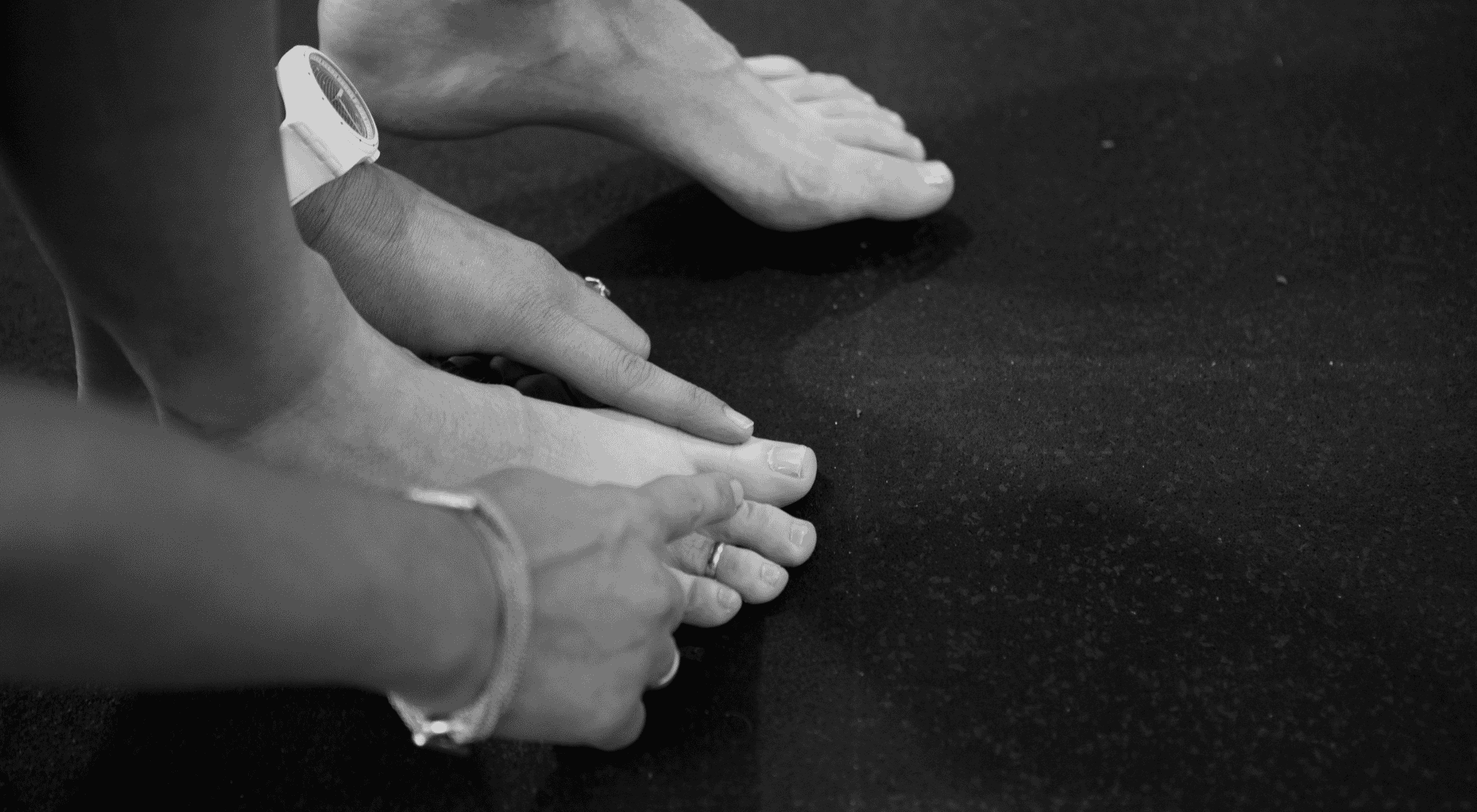
We assess the dancer's ability to "dome" their arch without clawing their toes, alongside evaluating single-leg calf raise endurance and turnout stability. Foot strength for dancers is crucial!
We conduct a scoliosis screening and test the "Plumb Line" posture to ensure the dancer can maintain a neutral spine during grand pliés and relevés.
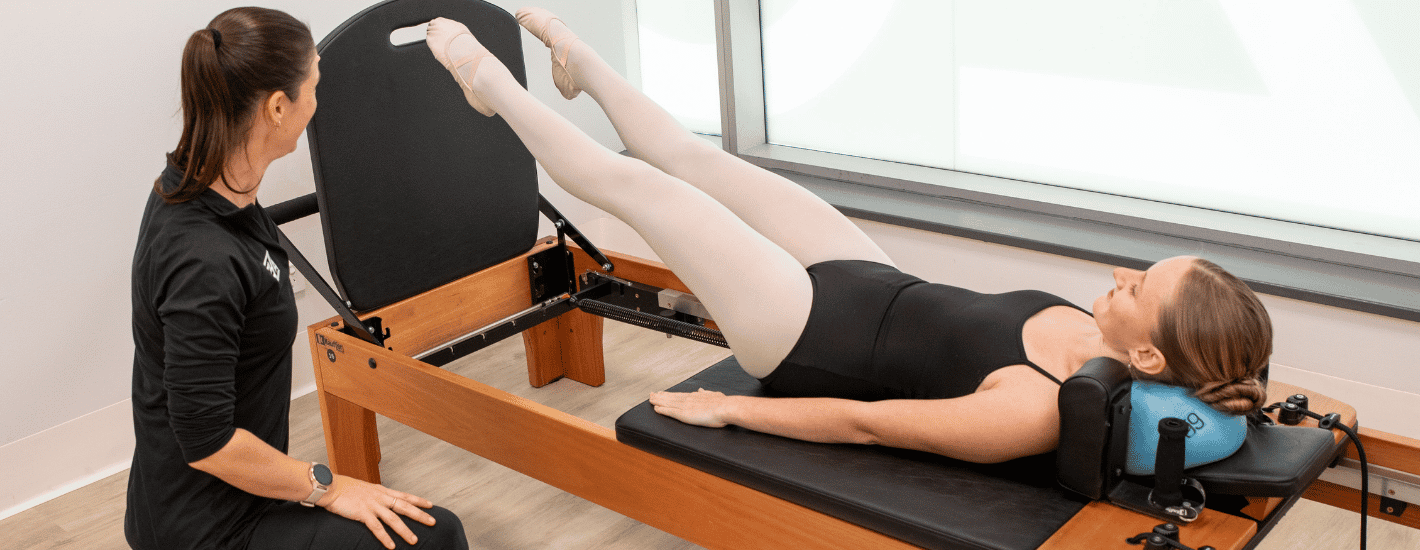
Following the assessment, the dancer receives a highly personalised report outlining their physical readiness, highlighting specific areas for development, and clearly categorising their current capacity into three actionable outcomes.
If the dancer meets all clinical criteria, a referral letter is immediately provided for the dance teacher and the professional shoe fitter.
If minor gaps are identified, a specific 4 to 6-week Pre-Pointe Prep exercise program is assigned to actively bridge these specific strength or mobility deficits before re-testing.
If the dancer requires significant development, a longer-term strengthening plan is created to prevent serious injury and ensure future success when their body is truly ready.
Evaluating readiness requires an expert eye that understands both clinical biomechanics and the specific aesthetic demands of classical ballet. Bypassing this step can result in chronic injuries that keep dancers away from the studio for months.
Proper screening significantly reduces the risk of bone stress fractures, posterior ankle impingement, and "Os Trigonum" syndrome caused by forcing inadequate range of motion.
Addressing biomechanical gaps prior to pointe work directly improves the dancer's balance and force production during complex turns and jumps.
An objective, data-driven assessment provides ultimate peace of mind for the dancer, the parent, and the dance teacher, knowing the body can safely handle the load.
Who treats this?
Our experienced team members are ready to help. See their bios below and book online when ready.
.avif)
.avif)
.avif)
All major health funds accepted
Private health claiming via Tyro Health EFTPOS terminal











FAQ

International Association for Dance Medicine & Science (IADMS) guidelines generally recommend waiting until at least 12 years of age to ensure skeletal maturity, though readiness ultimately depends on functional strength and technical control rather than chronological age alone.
A widely accepted clinical benchmark is the ability to perform a minimum of 25 continuous, high-quality, single-leg calf raises before fatigue. This demonstrates the calf and intrinsic foot strength required to safely control your body weight en pointe.
Yes. While your teacher expertly evaluates your ballet technique, a clinical physiotherapist assessment objectively measures joint range, core stability, and isolated muscle strength that may not be visible during regular class, significantly reducing your injury risk.
It is not a pass or fail test. If you are not yet ready for pointe, we view it as an opportunity to assign you a targeted, progressive exercise program to build the specific strength and mobility required for a successful transition in the near future
If specific gaps are identified during your assessment, a targeted pre-pointe conditioning program typically takes 6-12 weeks of consistent exercise to yield measurable improvements in strength, endurance, and technical control.