

Adductor Strain
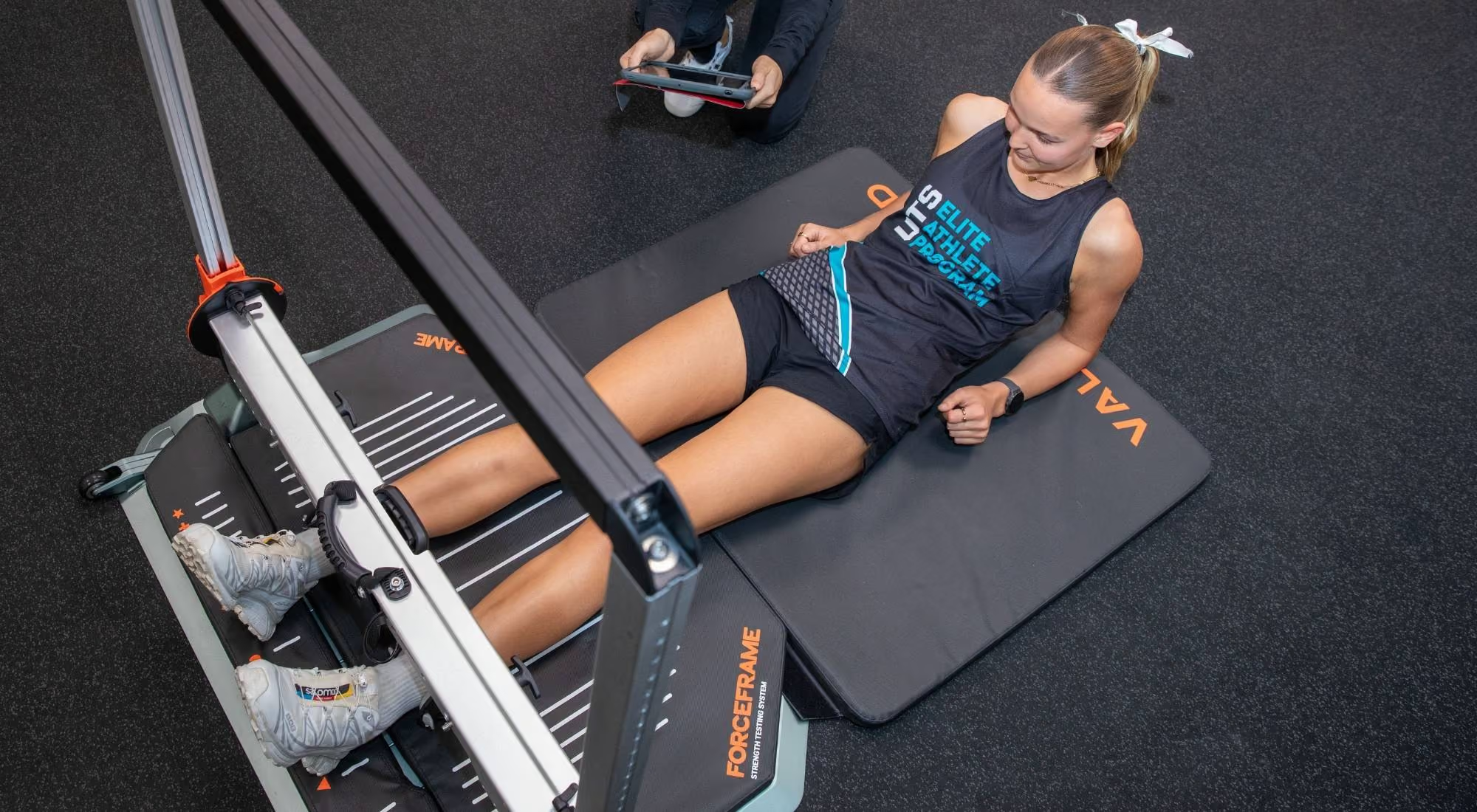
Regain your explosiveness and agility. We guide you from early-stage pain to confident, pain-free kicking using objective, evidence-based loading protocols.
Understanding Adductor Strains (Groin Injuries)
An adductor strain involves the overstretching or tearing of the hip adductor muscle-tendon complex (often referred to as the groin muscles), typically triggered by the high-velocity demands of multidirectional sports.
Athletes typically experience a sharp, stabbing pain during explosive efforts like kicking or sprinting, tenderness along the inner thigh, and occasional visible bruising. Beyond the field, you may experience difficulty with side-to-side movements, pain when getting out of a car or bed, and significant apprehension during sport-specific drills.
Early clinical intervention is the absolute most effective strategy to prevent an acute strain from becoming a chronic, career-hindering injury. We assess your injury during the acute window to define a clear, stage-based recovery timeline that safeguards your healing tissues.
Seeking assessment within the first 48 to 72 hours of the initial incident is crucial to establish an accurate baseline and develop a rehabilitation plan.
These injuries are highly prevalent among field and court sport athletes, including those playing AFL, soccer, rugby, netball, and basketball, who manage high multidirectional training loads
You need immediate care if you notice a reducing ability to stride, sprint, kick, or change direction, as these indicate the acute injury is progressing.
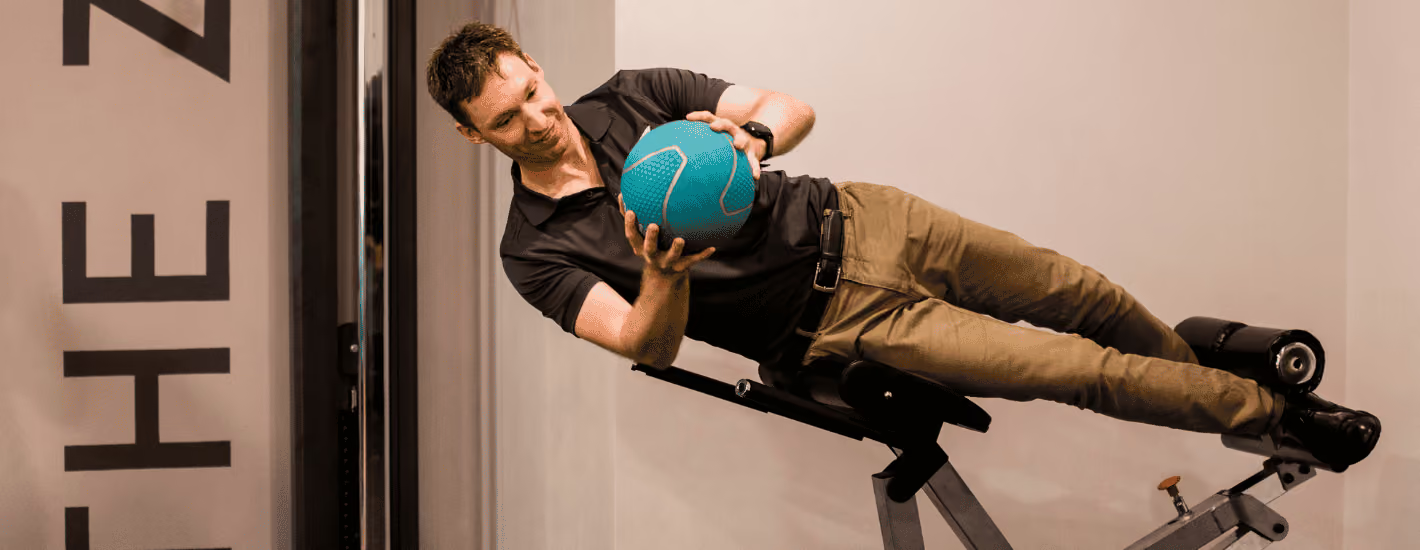
Resting rarely restores the specific physical qualities needed for high-performance kicking and agility. Our specialised care bridges the gap between basic tissue healing and the extreme high-force demands of professional sport.
We utilise progressive loading and eccentric training, which clinical studies prove yields much faster and more durable recovery than passive rest.
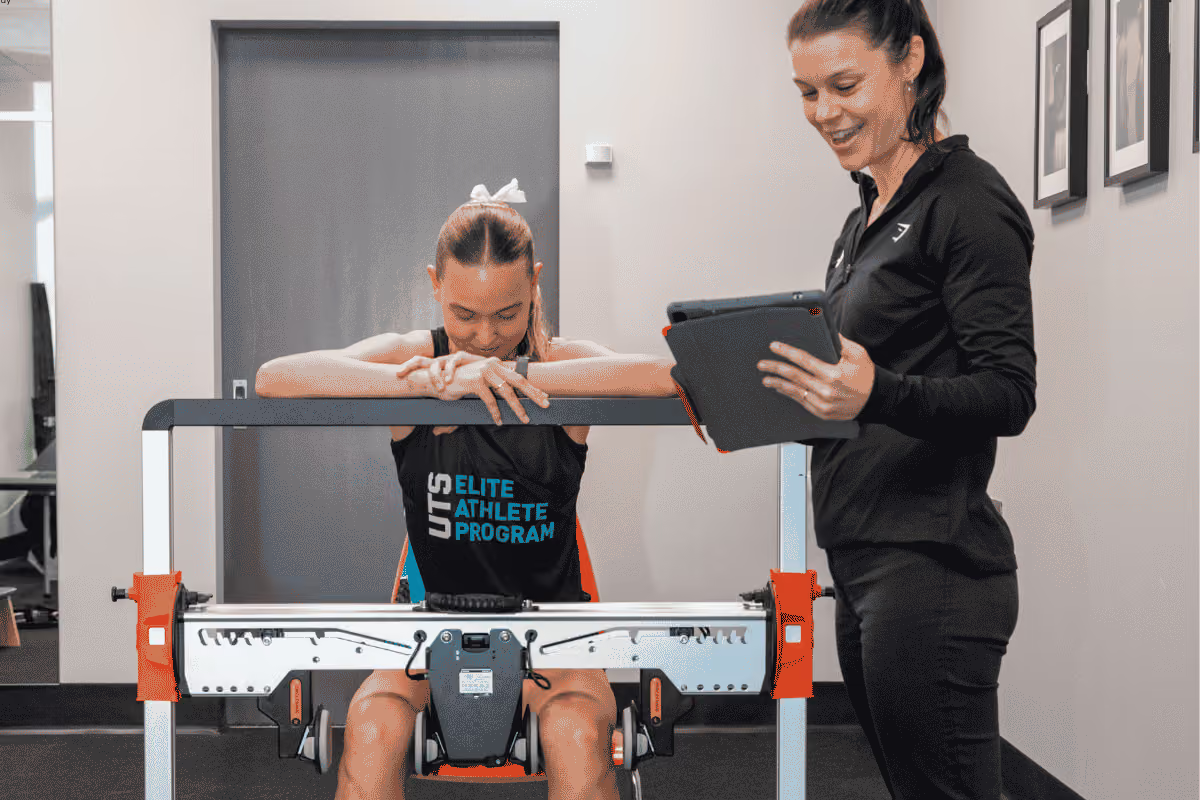
By using objective strength measurements like the VALD Force Frame, we ensure your adductor capacity completely matches the requirements of your sport before you return to play.
Our practitioners deeply understand the biomechanics of field sports having worked in NSW level AFL, Rugby and soccer. Rehabilitation aims to build an “Armour” your adductor muscle group so you return without ongoing issues.
A successful recovery plan must be progressive, individualised, and directly adaptable to the specific mechanical requirements of your game. We systematically transition you from isolated structural strength to functional, on-field integration.
We start by defining the exact severity of the strain, establishing timeframes, and implementing injury-specific strengthening exercises to safely rebuild muscle capacity around the hip.
As your tissues heal, we transition your rehabilitation to the field, safely reintroducing sprinting, deceleration, and progressive agility mechanics.
The final stage integrates sport-specific training, including kicking and competitive drills, alongside long-term prevention strategies to avoid future recurrence.
Who treats this?
Our experienced team members are ready to help. See their bios below and book online when ready.



.avif)

.avif)

.avif)
All major health funds accepted
Private health claiming via Tyro Health EFTPOS terminal











FAQ

Your safe return to sport is determined by objective criteria, such as passing strength symmetry tests and demonstrating pain-free functional performance, rather than just waiting for a specific amount of time to pass.
Not always. A thorough, hands-on clinical assessment by an experienced sports physiotherapist is usually sufficient to determine the exact grade and severity of an adductor strain without requiring expensive imaging.
Recurring groin issues are frequently caused by incomplete rehabilitation, specifically leaving unresolved deficits in eccentric muscle strength, muscle imbalances around the hip, and poor pelvic coordination.
Clinical guidelines emphasise active, progressive strengthening over complete rest. The gold standard involves structured exercise therapy, particularly eccentric loading exercises like the Copenhagen adductor protocol, to rebuild muscle resilience.
Attempting to play through adductor pain is highly discouraged. Continuing high-velocity movements on a damaged muscle significantly increases the risk of a high-grade tear and chronic, long-standing groin pain.