

Ankle Sprain
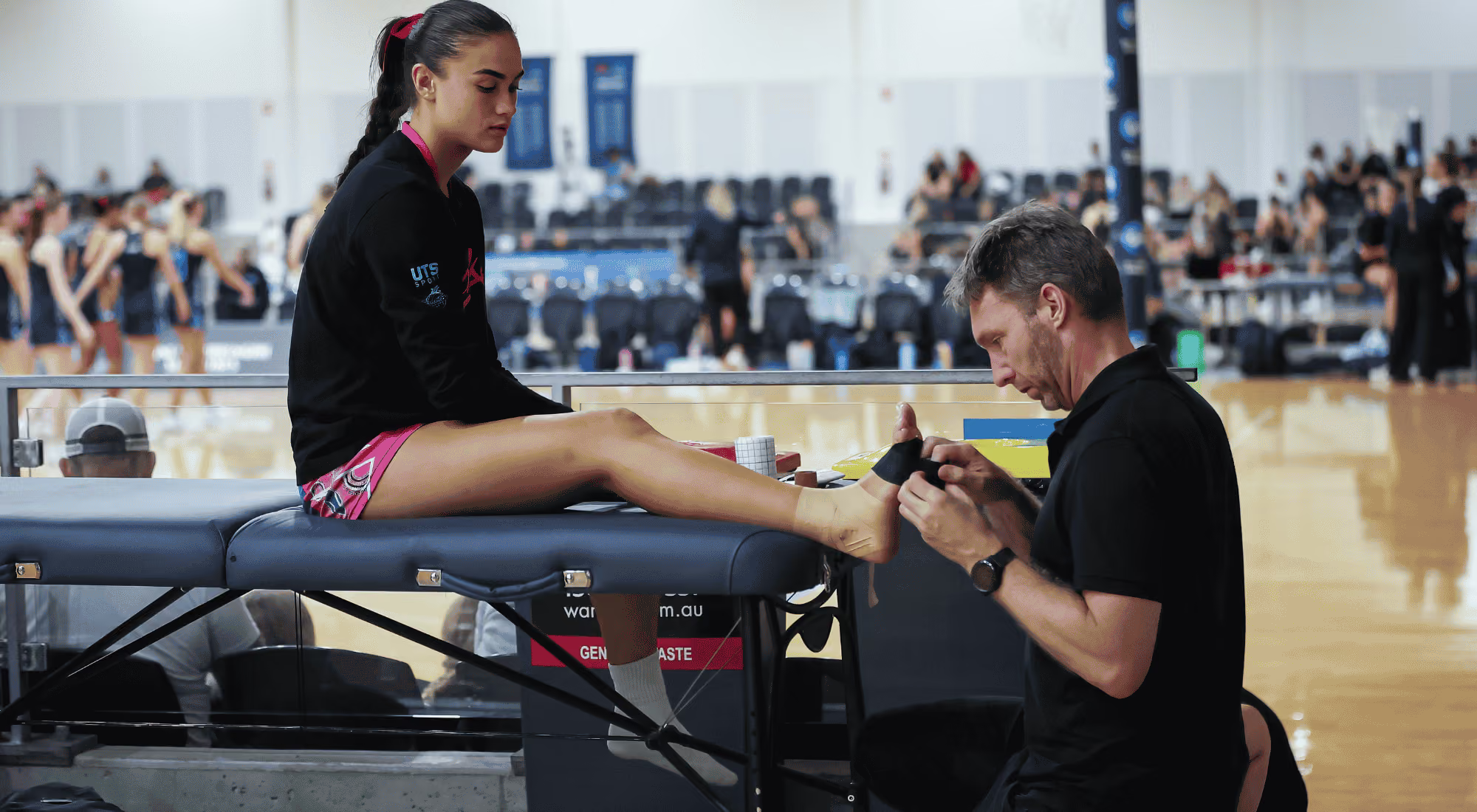
Early rehabilitation is key to restore confidence, rebuild strength, and prevent recurrent ankle sprains.
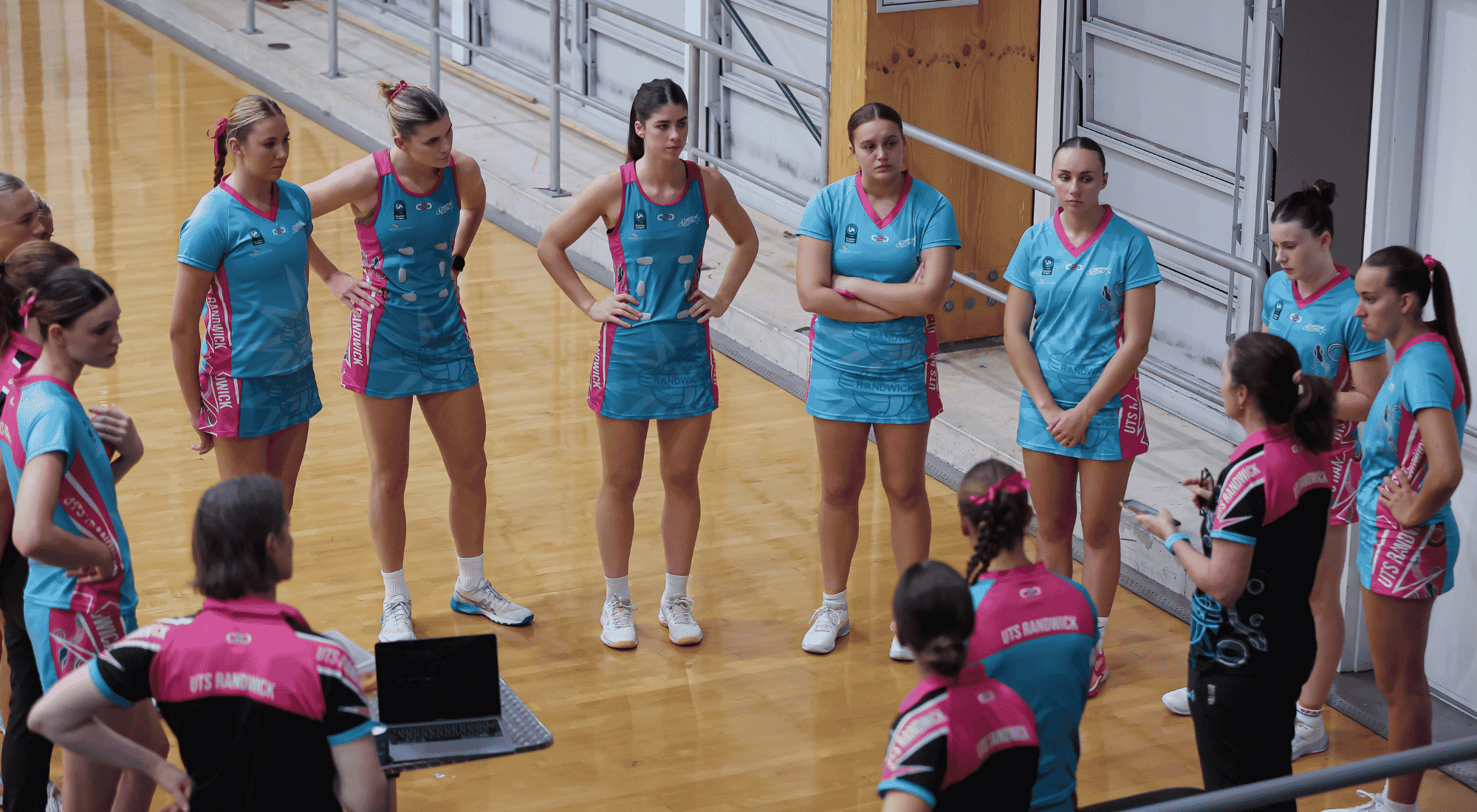
What is an Ankle Sprain?
Ankle sprains, particularly lateral ankle sprains, are high-impact injuries commonly occurring in sports that demand rapid acceleration and explosive cutting. Beyond the initial pain and swelling, these injuries compromise your movement mechanics, creating compensation patterns that can sideline you and frustrate your daily activities.
High risk of recurrence: Without evidence-based rehabilitation, up to 40% of first-time sprains develop into Chronic Ankle Instability (CAI) within the first year.
Early assessment within the first 48 to 72 hours is crucial to determine injury severity and safely guide your return to activity. Seeking timely intervention prevents minor tissue damage and poor landing mechanics from developing into long-term, chronic instability.
Immediate care focuses on swelling control, pain reduction, and protected, pain-free weight-bearing to maintain functional capacity.
As swelling subsides, treatment safely introduces controlled loading and targeted strengthening for the calf and peroneal muscles.
You should seek immediate evaluation if you are completely unable to bear weight, notice visible deformity, or experience worsening pain despite initial rest.
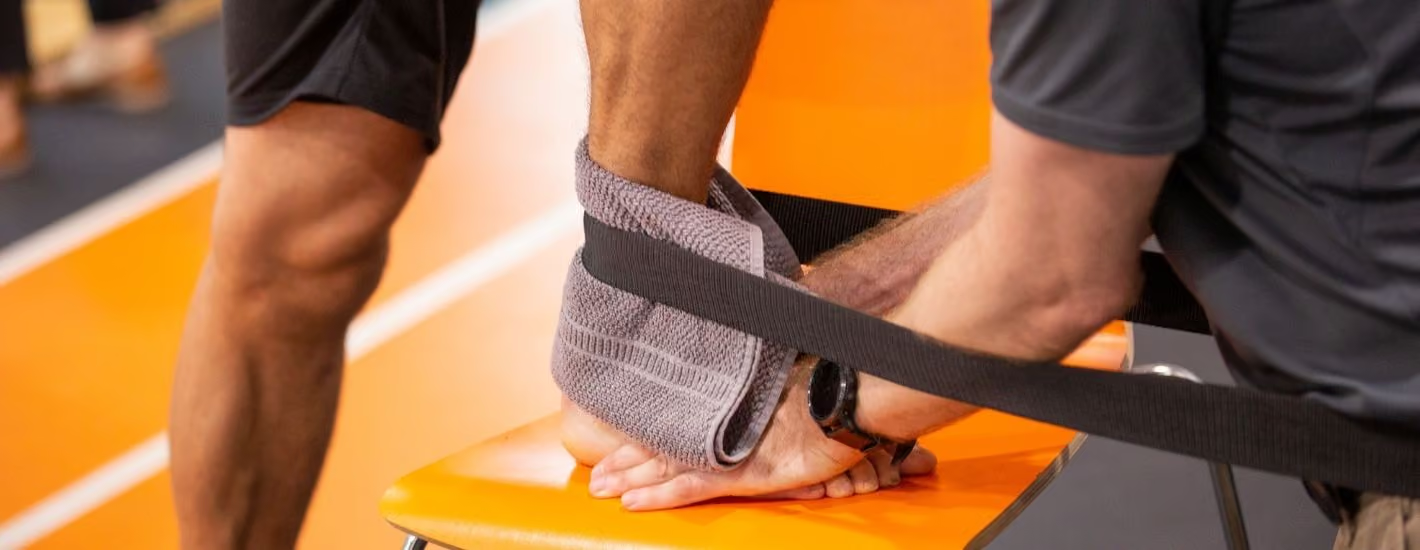
Recovering from an ankle sprain requires more than simple symptom relief or the outdated wait-and-see approach. Expert, evidence-based care addresses the biomechanical drivers of your injury, ensuring you build lasting resilience and correct the root cause.
We utilise VALD force plates, Force Frame and dynamometers to precisely measure your balance, strength symmetry, and landing mechanics to identify specific deficits.
Our clinical pathway bridges the gap between early rehabilitation and sport-specific court drills in a controlled, elite-level environment.
Our collaborative team of physiotherapists and exercise physiologists work together to manage complex, stubborn ankle injuries from acute care to explosive performance.
A successful recovery plan cannot be generic; it must be progressive, individualised, and directly adaptable to the specific demands of your lifestyle or sport. By staging your loading appropriately, we rebuild your athletic capacity safely and sustainably.
Initial phases prioritise calming the injured tissues and restoring normal, pain-free joint range of motion without overloading healing ligaments.
We implement targeted neuromuscular training to build calf and ankle strength, heavily focusing on balance and dynamic stability.
Final stages integrate sport-specific demands like high-speed cutting, vertical jump mechanics, and reactive agility to ensure peak competition readiness.
Who treats this?
Our experienced team members are ready to help. See their bios below and book online when ready.



.avif)

.avif)

.avif)
All major health funds accepted
Private health claiming via Tyro Health EFTPOS terminal











FAQ

Minor injuries may require 2 to 4 weeks of rehabilitation, while more significant ligament tears or chronic instability can take 3 to 6 months to ensure a safe return to competition.
Recurrent sprains typically result from incomplete rehabilitation, lingering muscle weakness, and poor landing mechanics that leave the joint vulnerable to the high-impact demands of the game.
CAI is a condition where the ankle joint remains chronically loose or feels like it will give way, which often develops when a first-time sprain lacks proper neuromuscular and balance rehabilitation.
Yes, clinical guidelines show that ankle taping or bracing can reduce the risk of recurrent sprains by up to 60%, especially when combined with a targeted balance and strengthening program.
Yes, evidence-based programs focusing on proprioception, landing mechanics, and lower-limb strength significantly lower your risk profile by improving how your brain and ankle communicate during unpredictable movements.