

Calf Strain
Rebuild lower leg strength and return to sprinting and jumping stronger and faster
Understanding Calf Strains
A calf strain involves a tear to the primary muscles at the back of your lower leg, specifically the gastrocnemius or soleus. These muscles are critical for explosive movements, propulsion, and absorbing impact during running, jumping, and rapid changes of direction.
Symptoms typically include a sharp, sudden pain at the back of the lower leg, localised tenderness upon touch, and difficulty or pain when rising onto your toes.
Early intervention is the key to minimising time away from your sport and ensuring the tissue heals with high structural integrity. Identifying the specific muscle involved and the severity of the tear is critical for an effective rehabilitation program and a timely return to sport.
Within the first 48 to 72 hours, we prioritise pain reduction, swelling management, and off-loading to protect the integrity of the muscle while preventing further damage. For more severe strains we may need to utilise heel wedges, a walker boot, or crutches to allow pain free walking.
Re-strengthening the calf complex is an essential part of rehabilitation, focusing on building muscle capacity for both return to sport and long-term injury prevention.
Calf strains are notoriously common in runners, court sports like netball and basketball, and field sports where rapid acceleration and sudden stops place extreme demands on the lower limb.
At Zone 34, we do not take a generalised approach; we actively build a more resilient athlete capable of withstanding the rigours of your sport.
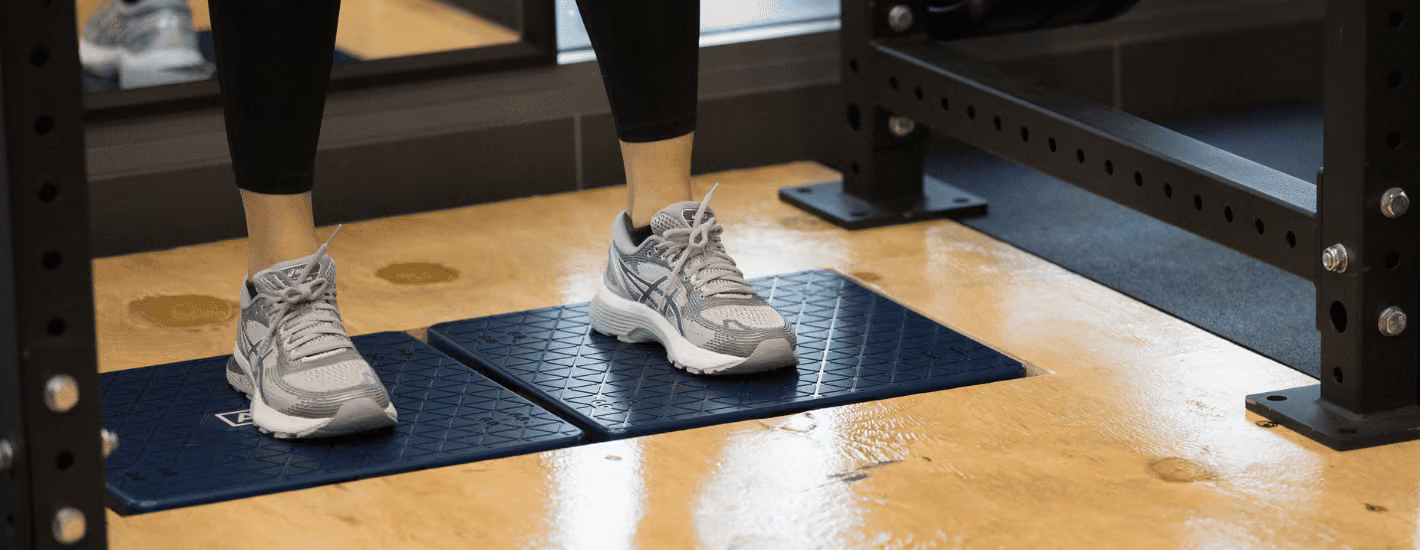
We utilise professional testing equipment, such as VALD force plates and Force Frame, to assess your strength, power, and readiness to return to sport. Tests like the Run Specific Ankle Isometric Push (RSAIP) and Isometric seated calf raise guide the capacity of the calf muscle throughout the recovery.
Our fully equipped performance gym allows us to bridge the gap between initial clinical treatment and the high-force demands of your sport, ensuring you are game-ready. Rehab exercises may be performed using a smith machine, leg press, dumbbells or even a reformer.
Our senior clinical staff have extensive experience managing Basketball, AFL, Rugby and Soccer injuries and collaborate internally to ensure your rehab plan is as sophisticated as the athletes we treat.
We utilise a systematic, phased approach to progressive overload, ensuring your calf muscles regain full capacity.
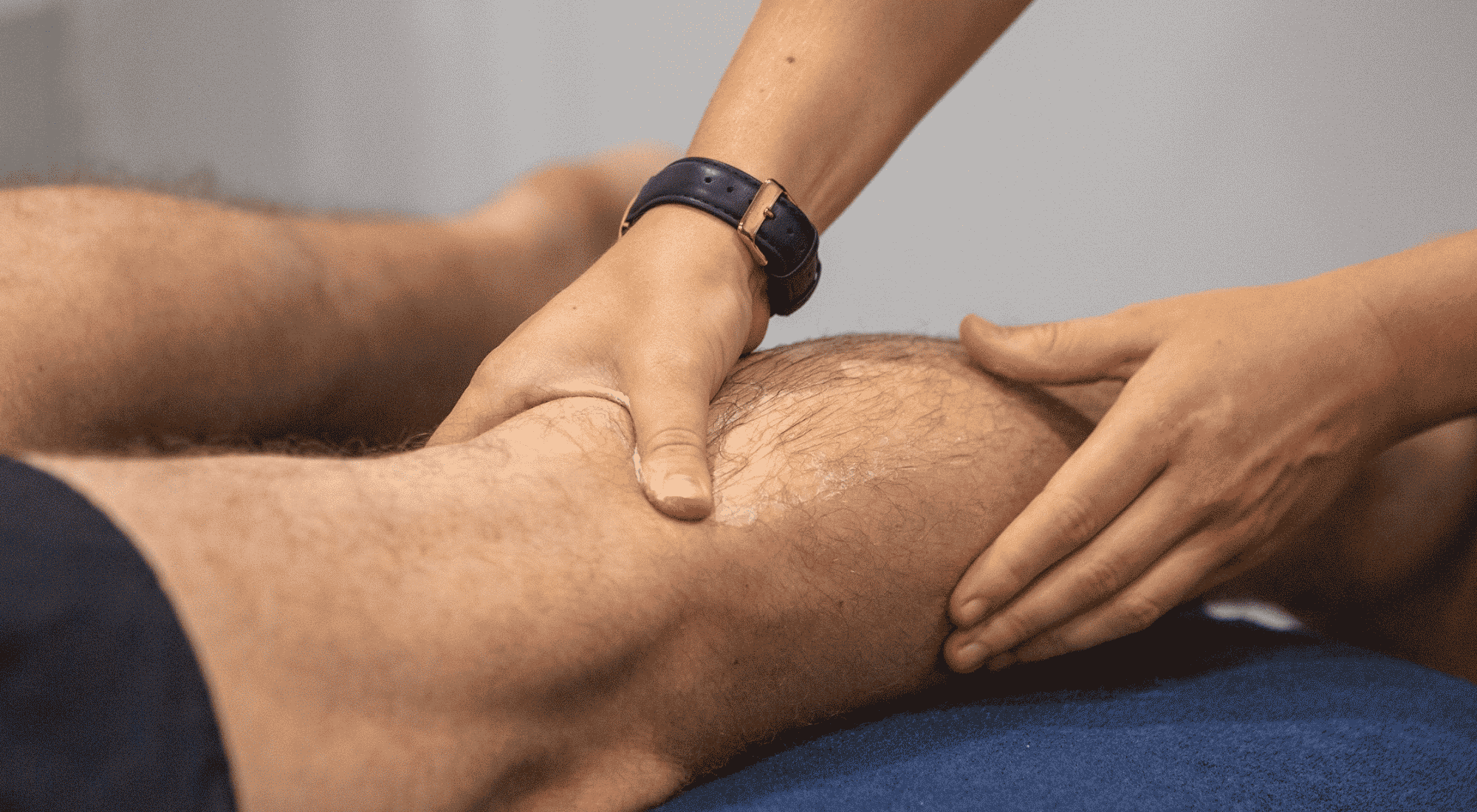
We begin with targeted manual therapy, compression, and early isometric exercises to safely settle the acute injury and control symptoms. Off Feet conditioning and exercises will also be recommended to allow safe exercise.
We implement structured strength programming specifically targeting the calf complex as well as surrounding muscles of the lower limb to build capacity.
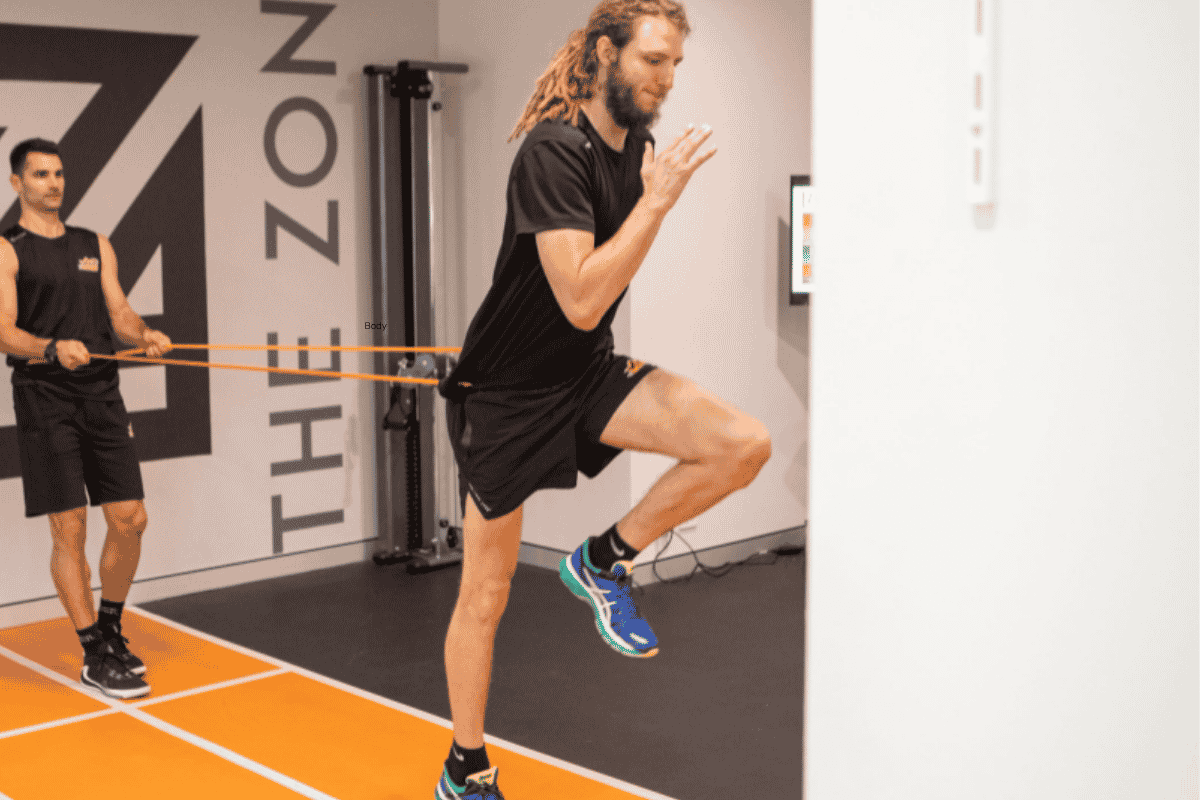
The final phase introduces high-level biomechanical conditioning, plyometrics, and sports-specific movement patterns to ensure a safe, confident return to your discipline.
Who treats this?
Our experienced team members are ready to help. See their bios below and book online when ready.
.avif)
.avif)
.avif)
All major health funds accepted
Private health claiming via Tyro Health EFTPOS terminal











FAQ

Recovery depends heavily on the severity. Mild (Grade 1) strains may take 1 to 3 weeks, moderate (Grade 2) tears take 3 to 6 weeks, while severe (Grade 3) injuries can require months of structured rehabilitation before a safe return to sport.
The gastrocnemius is the larger, fast-twitch muscle commonly injured during explosive sprinting and jumping, while the soleus is a deeper, slow-twitch muscle typically injured during endurance running or activities with a bent knee.
Usually not. A thorough clinical examination by an experienced sports physiotherapist is generally sufficient to diagnose a calf strain, determine the specific muscle involved, and grade the severity without the need for medical imaging. Professional athletes are more likely to be referred for imaging given the importance ensuring a safe return when minimising time out.
Running is one of the highest demand activities for a calf muscle. As a result even jogging tends to be delayed as long as possible, after you have demonstrated excellent capacity with high load strength and plyometric exercises.
High recurrence rates occur because many athletes fail to fully rehabilitate the muscle back. Occasionally re injury may occur if there is under appreciated tendon involvement and insufficient time was allowed for healing.