

Lumbar Disc Pain
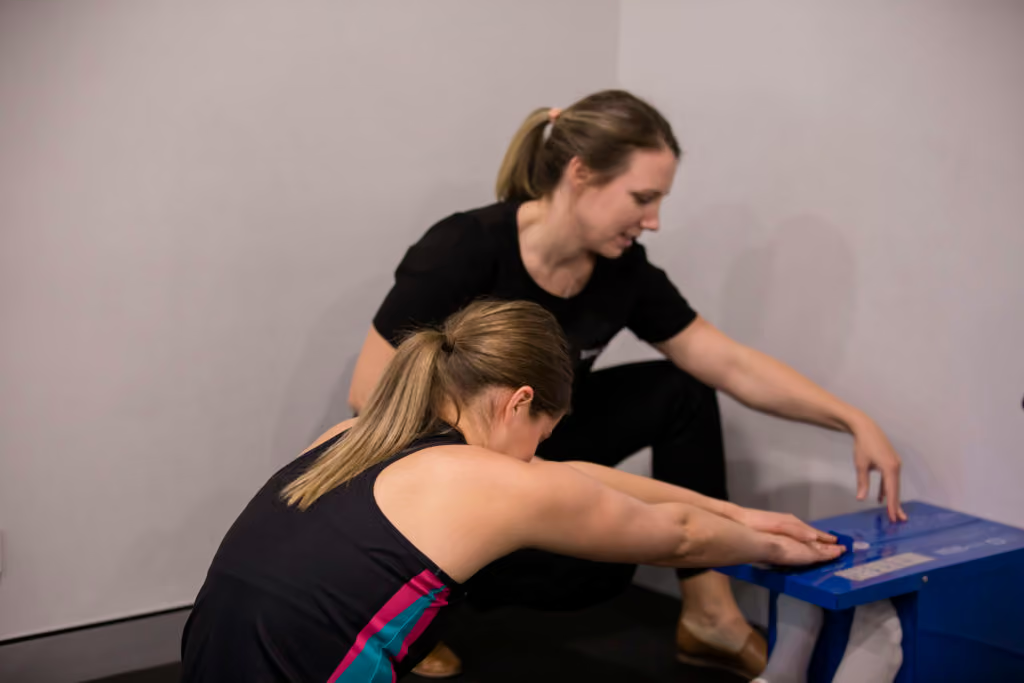
Regain stability and spinal health with our precise, evidence-based management plans designed to return you to peak performance.
Understanding Lower Back Disc Protrusion
A disc herniation or protrusion occurs when the soft inner core of a spinal disc pushes against or through the tougher outer layer. This condition can severely limit daily activities, causing sharp, ongoing discogenic back pain that makes sitting, bending, or lifting difficult. Symptoms typically include localised lower back pain, deep aching or stiffness in the lumbar spine, and occasionally referred pain into the glutes or upper thighs when the disc is actively irritated.
Early intervention is critical to calm symptoms before they develop into chronic discogenic pain. We focus on immediate load management to protect the spine while gradually building capacity for long-term health.
In the initial sessions, immediate focus is typically placed on pain modulation, gentle decompression techniques, and postural education to reduce inflammation and stabilise the area.
Once acute pain subsides, we transition to structured, progressive loading to restore spinal resilience and prevent future flare-ups.
This condition is most common in active adults aged 30 to 50, specifically those involved in heavy lifting, repetitive spinal loading, or high-impact athletic disciplines.
More than 80% of low back pain presentations recur within a year. We move beyond short-term fixes by utilising objective data and elite-level programming to build a robust, pain-free spine for the long term.
Current clinical guidelines from the RACGP (Royal Australian College of General Practitioners) recommend a stepped-care approach that includes advice to stay active, use of indicated pain medications, targeted physiotherapy, and psychological support for recovery obstacles. Most patients with disc herniations improve significantly without specialist care or surgery.
We utilise precise objective testing to assess spinal mobility and core load capacity, providing a clear baseline for your recovery.
Our gym floor allows us to bridge the gap between treatment and performance, moving you from gentle mobilisation to safe, functional strength training.
Our systematic approach ensures a safe transition from initial symptom relief to resilience. We build a progressive plan that respects your spinal sensitivity while actively challenging your trunk stability.
We start with targeted manual therapy, disc-sensitive load management, and pain-free mobility tracking to immediately calm the irritated spinal segments.
As symptoms settle, we introduce progressive spinal stabilisation and strength programming highly customised to your specific work or sporting demands.
The final stage integrates advanced conditioning and return-to-sport protocols designed to ensure long-term tissue health and prevent future recurrences of discogenic pain.
Who treats this?
Our experienced team members are ready to help. See their bios below and book online when ready.



.avif)

.avif)

.avif)
All major health funds accepted
Private health claiming via Tyro Health EFTPOS terminal











FAQ

While individual timelines vary, many patients experience obvious improvement within 6 weeks of structured clinical management.
Most disc herniations can be successfully managed through progressive rehabilitation and targeted load management without the need for surgical intervention. When required, we collaborate with GPs, sports doctors, or neurosurgeons for complex cases requiring medication, nerve blocks, or surgical opinions.
No, current RACGP medical guidelines strongly advise against prolonged bed rest. A stepped-care management approach involves staying active and using appropriate pain medications to maintain movement and prevent stiffness.
Discogenic pain refers specifically to pain originating from a damaged or degenerating spinal disc. Unlike nerve compression pain, it is typically felt as a deep, localised ache in the lower back that often worsens with sitting or bending forward.
In most cases, a detailed clinical assessment is entirely sufficient to accurately diagnose a disc protrusion and begin a conservative treatment plan. Scans are generally reserved for worsening neurological symptoms or when conservative care has plateaued.