

Hamstring Strain
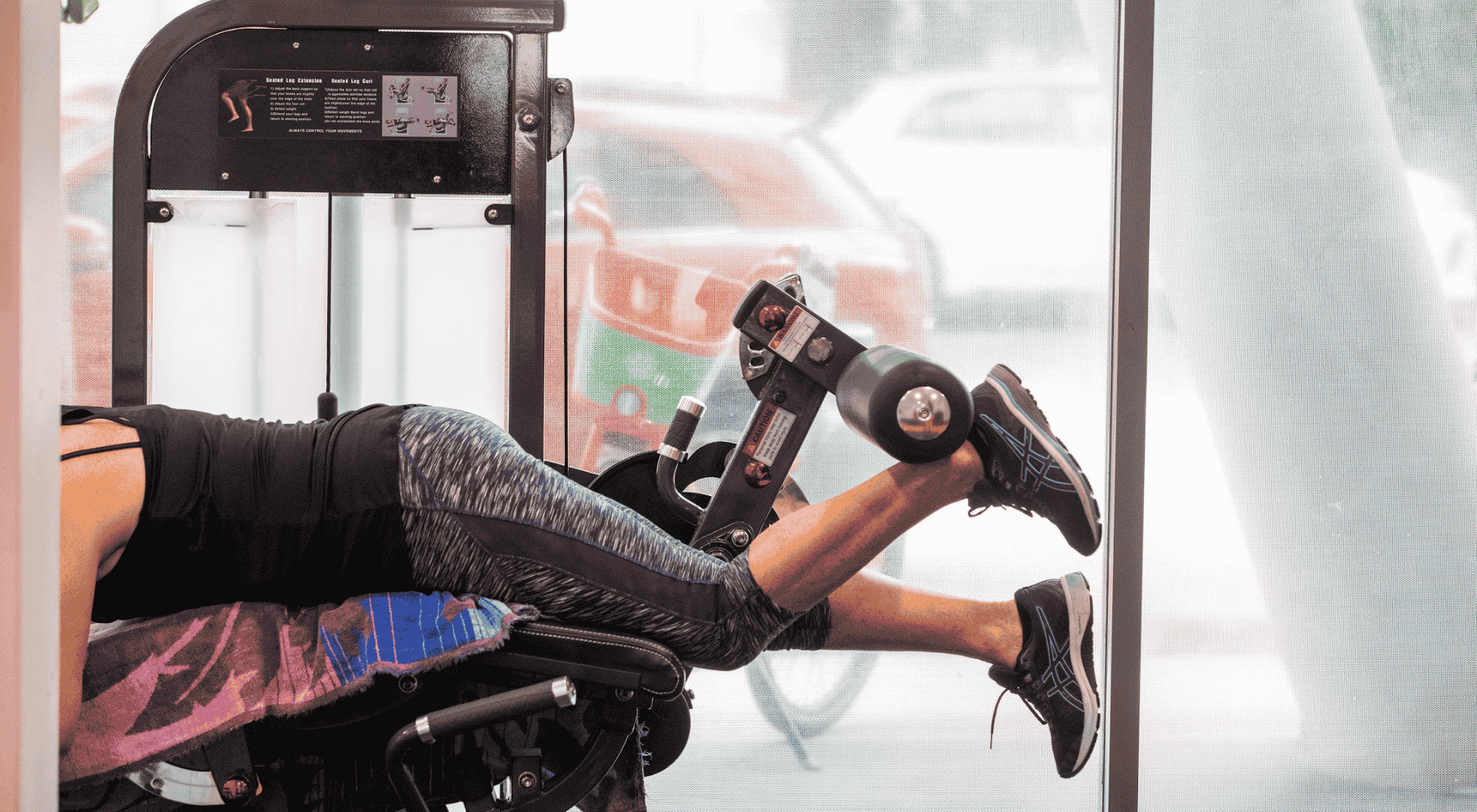
Regain your speed and confidence. We guide you from acute strain to high-velocity sprinting using objective, evidence-based loading protocols.

Understanding Hamstring Strains
A hamstring strain occurs when the muscles or tendons at the back of the thigh are overloaded beyond capacity, causing structural tearing. Common in field, court, and track sports, it immediately compromises acceleration, top-end speed, and kicking power.
Athletes typically feel a sudden, sharp pain or tightness during sprinting or kicking, often accompanied by a "pop," localised tenderness, swelling, or visible bruising. In acute stages, daily tasks like walking with a normal stride, bending forward, or sitting on hard surfaces become painful.
Early assessment post-acute injury is vital to establish an accurate baseline, determine whether the injury involves the muscle belly or tendon, and set a realistic recovery timeline.
Hamstring strains carry an exceptionally high recurrence rate—with research showing up to a 30% re-injury rate when rehabilitation is incomplete or guided purely by time. Failing to restore eccentric strength and top-speed running exposure leaves healed tissue vulnerable to recurrent tears.
Evaluating the injury within 2 to 3 days allows us to protect acute tissue, and implement pain-free isometric loading protocols that accelerate recovery.
Clinical evidence highlights that actively training around the injury early—incorporating progressive agility, trunk stabilisation, and pain-free loading—helps achieve an earlier, safer return to play while dramatically reducing re-injury rates.
Immediate clinical care is recommended if you experience a progressive inability to walk without a limp, extensive bruising in the hamstrings, or significant weakness when bending your knee.
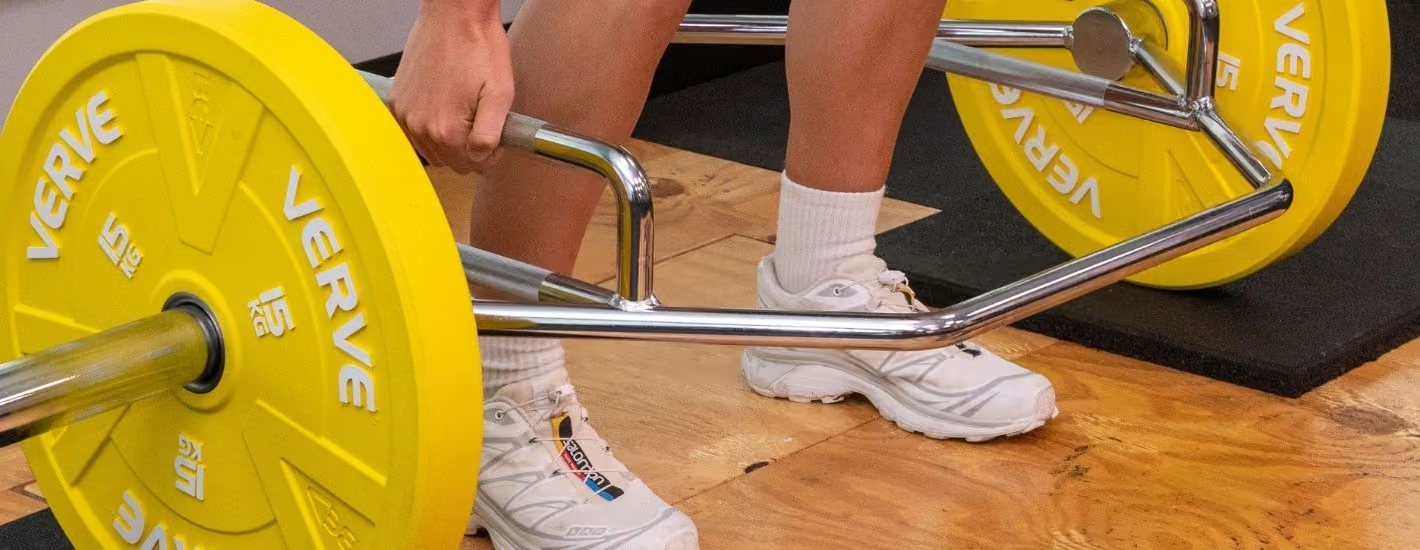
Resting fails because passive rest does not build the high-force capacity required for maximal sprinting and kicking.
Effective recovery relies on targeted, progressive loading to rebuild muscle architecture. High-level evidence proves that progressive eccentric loading increases fascicle length and builds structural resilience far superior to rest.
We utilise advanced testing technology—including VALD ForceFrame and NordBord force sensors—to measure eccentric hamstring strength, limb symmetry, and rate of force development. Progressions are strictly guided by objective data rather than arbitrary calendars.
A number of our physiotherapists work directly with the UTS AFL team, managing high-volume hamstring injuries across competitive seasons. This gives you access to the same elite assessment and rehabilitation protocols used in high-performance sport.
A successful recovery plan must be progressive, individualised, and directly adaptable to the specific mechanical requirements of your sport. We systematically transition you from isolated structural strength to functional, on-field integration.
We start by defining the exact severity of the strain to establish timeframes, then implement injury-specific strengthening exercises to safely rebuild muscle capacity.
As your tissues heal, we transition your rehabilitation to the field, getting you back to running fast with safely progressed deceleration and agility mechanics.
The final stage integrates sport-specific training, including kicking and competitive drills, alongside long-term prevention strategies to avoid future recurrence.
Who treats this?
Our experienced team members are ready to help. See their bios below and book online when ready.

.avif)




.avif)
.avif)
All major health funds accepted
Private health claiming via Tyro Health EFTPOS terminal











FAQ

Mild (Grade 1) strains recover in 2–4 weeks, Grade 2 tears take 4–8 weeks, while severe Grade 3 injuries or proximal tendon strains take 8–12+ weeks of criteria-based rehabilitation.
Not always. A thorough clinical assessment accurately diagnoses most strains. MRIs are reserved for suspected high-grade tears or tendon avulsions.
High re-injury rates stem from incomplete rehabilitation—specifically returning to sport without restoring eccentric strength or reaching top-end sprint exposure.
Straight-line jogging begins once walking is pain-free, strength is symmetrical, and isometric tests pass without discomfort.
Eccentric hamstring exercises (such as Nordic Hamstring Curls) are clinically proven to reduce re-injury rates by increasing muscle length and strength under load.