

ITB Syndrome
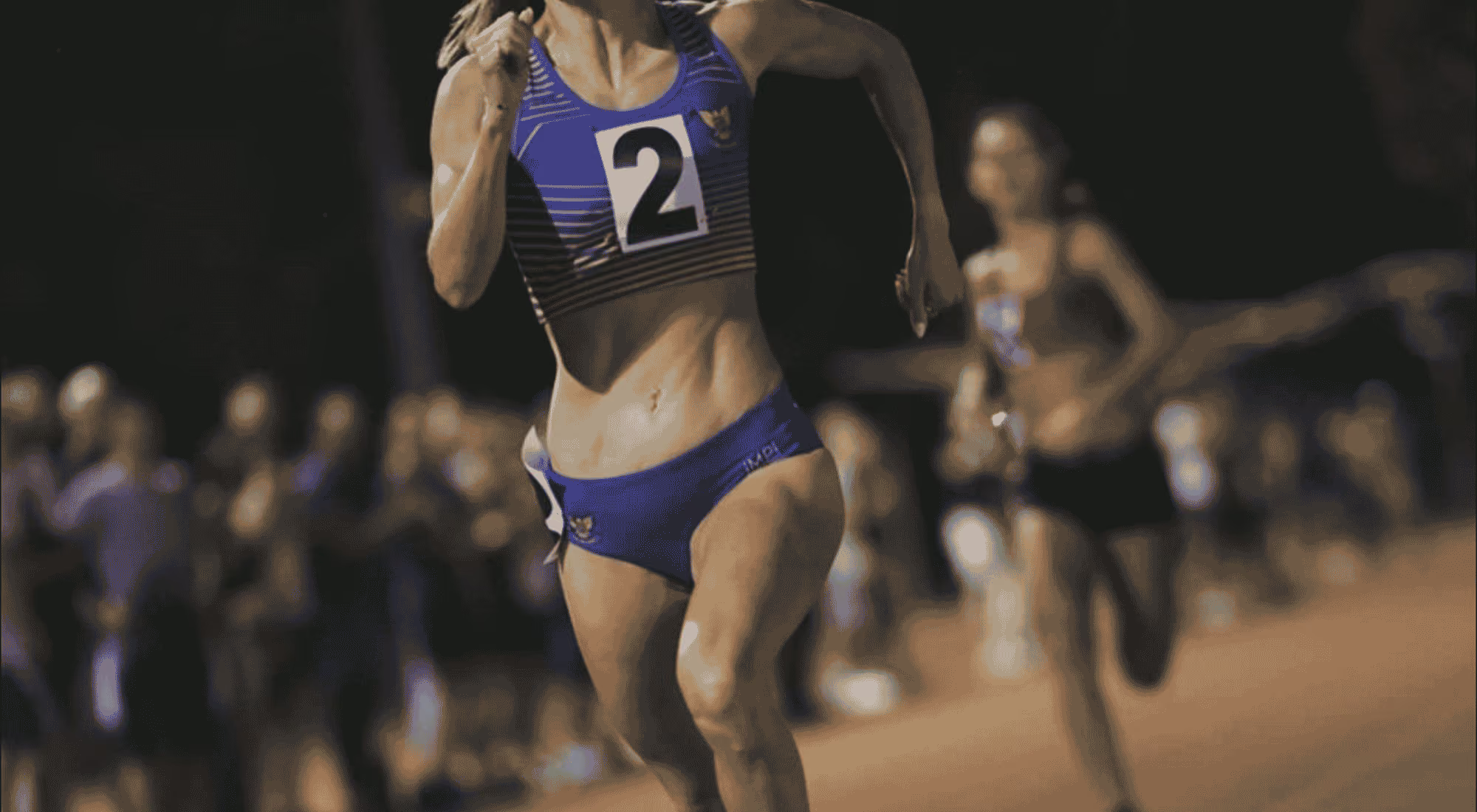
Rebuild hip and knee stability, eliminate lateral knee pain, and return to pain-free running with evidence-based physiotherapy.
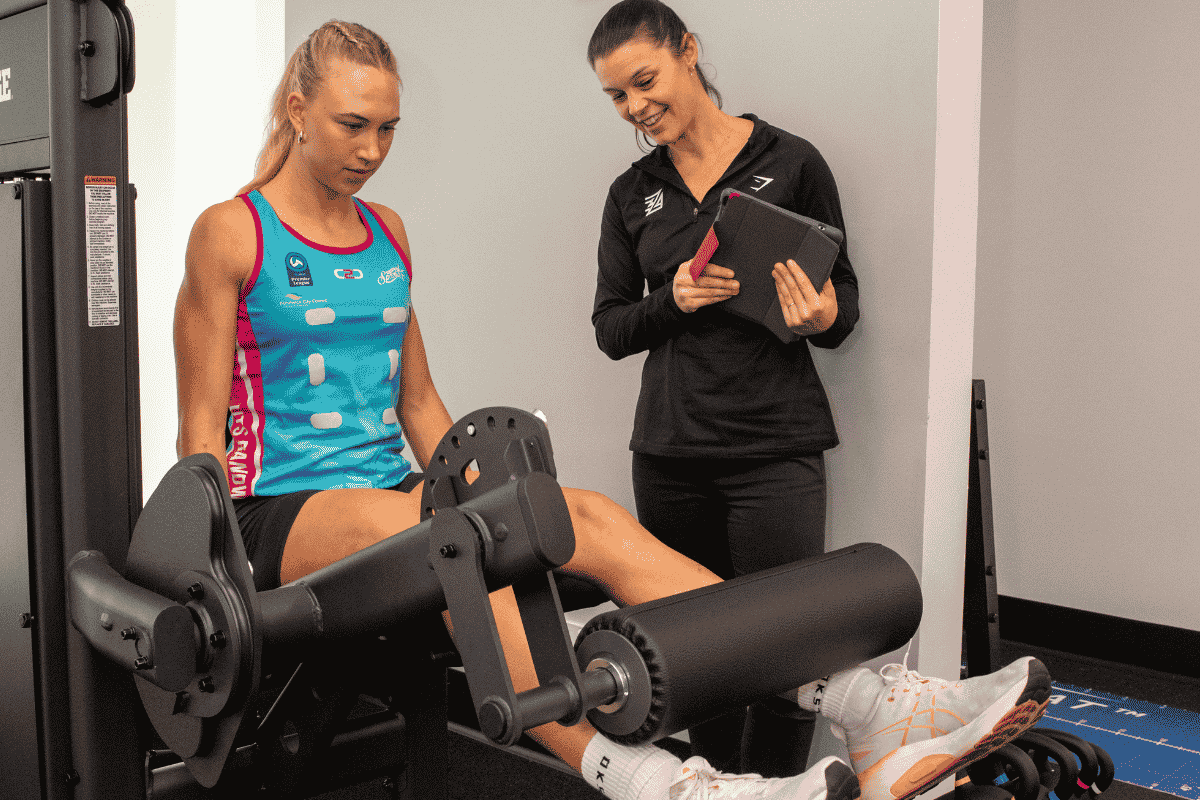
Understanding ITB Syndrome
Iliotibial band (ITB) syndrome is one of the most common causes of outer (lateral) knee pain in runners, cyclists, and active individuals. It occurs when the thick fibrous connective tissue running along the outside of your thigh becomes irritated where it attaches near the knee joint.
The primary symptom is a distinct, sharp pain on the outside of the knee, usually located just above the joint line. This pain is characteristically triggered during repetitive bending and straightening of the leg—specifically when the knee flexes to approximately 30 degrees (known as the "impingement zone") during foot strike when running or when descending stairs. Key aggravating activities include downhill running, long-distance running, high-cadence cycling, and descending stairs or steep hills.
Modern sports medicine research has completely transformed how we diagnose and manage ITB pain.
For decades, ITB pain was incorrectly labelled as "ITB Friction Syndrome"—under the assumption that the band rubs back and forth over the bone. Instead, pain is caused by compression of a highly sensitive, innervated fat pad and vascular layer beneath the ITB as the knee flexes through 30 degrees.
The ITB is a dense, high-tensile sheet of fibrous tissue. It is virtually impossible to "stretch out" or lengthen through manual pressure. In fact, aggressively foam rolling directly over the painful lateral knee joint actually increases compressive force on the inflamed fat pad beneath, making symptoms worse. Long-term resolution comes from controlling lower-limb movement mechanics, not trying to release an inherently rigid tissue.
Research demonstrates that distance runners with ITB syndrome exhibit significant hip abductor weakness and atypical running kinematics. When the hip collapses inward while running, it creates a tensile and compressive pull on the ITB at the knee. Strengthening the gluteals stabilises the pelvis and thigh bone, directly offloading the knee.
At Zone 34, we move beyond short-term symptomatic fixes to build a lower limb capable of withstanding high running and athletic demands. Ideally we catch ITB syndrome in the acute phase to allow for immediate load modification and symptom control. Early help prevents acute irritation from developing into persistent, chronic pain that keeps you sidelined for months.
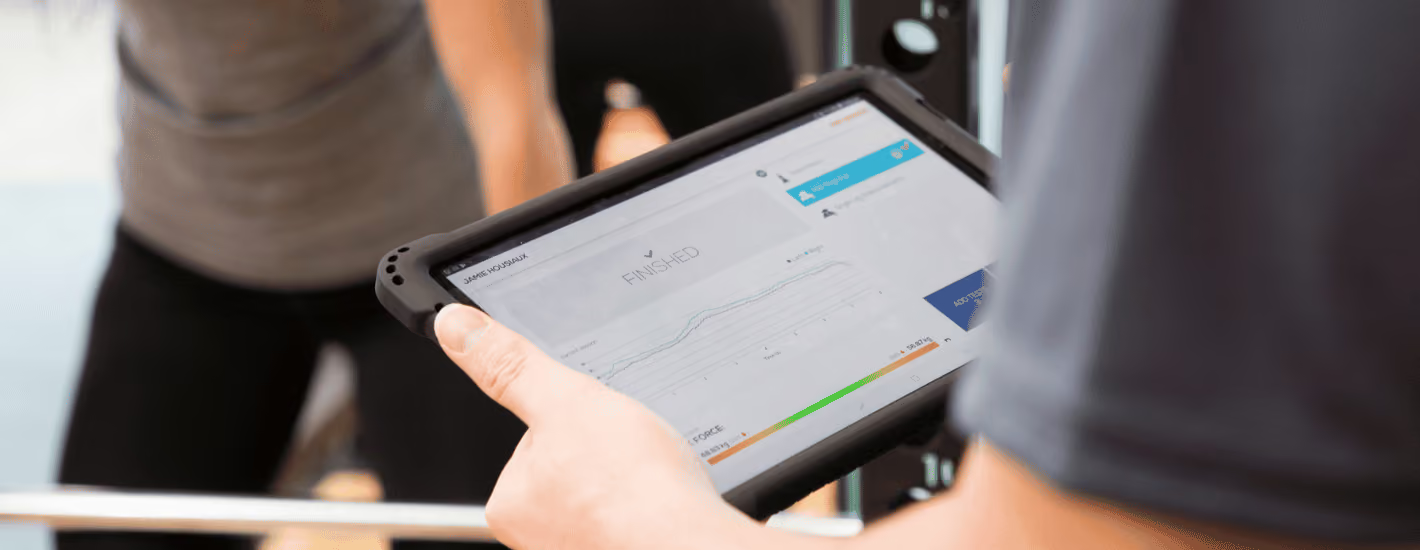
We utilise advanced movement screens, force plates, and video running gait analysis to pinpoint exact biomechanical drivers—measuring hip abductor torque, cadence, foot strike patterns, and pelvic control.
We align your recovery around your athletic calendar—whether that means completing a scheduled marathon, cycling without outer knee ache, or enjoying daily walks without stair pain.
In our performance gym, we guide you through progressive, evidence-based strength protocols—moving systematically from low-compression isometric glute work to heavy slow resistance training and dynamic running drills.
Our systematic pathway focuses on eliminating compressive load and building lower-limb capacity.
We reduce acute irritation through activity modification, avoiding direct painful compression, and introducing simple gait retraining strategies (such as increasing step cadence by 5% to 10% or temporarily avoiding downhill routes). Gentle isometric hip strengthening helps settle acute pain.
Under the guidance of your Physiotherapist and Exercise Physiologist, we introduce heavy slow resistance training targeting the hip abductors, gluteus maximus, and quadriceps. We strengthen the muscles that control hip adduction to prevent the thigh from collapsing inward during weight-bearing tasks.
In the final phase, we reintroduce running speed and volume, interval work, plyometrics, and sport-specific agility.
Who treats this?
Our experienced team members are ready to help. See their bios below and book online when ready.


.avif)

.avif)

All major health funds accepted
Private health claiming via Tyro Health EFTPOS terminal











FAQ

No. Foam rolling directly over the outside of your knee or the IT band itself compresses the sensitive, inflamed fat pad underneath against the bone, which often exacerbates symptoms. Instead of rolling the rigid IT band, focus on strengthening your hip abductors and gluteal muscles.
Not necessarily. Total rest is rarely required unless walking itself causes severe pain. We typically modify your running volume, temporarily eliminate downhill running, and increase your step cadence slightly to reduce knee flexion angles at foot strike while you build hip strength in the gym.
Recovery timelines vary based on how long you have experienced symptoms. Acute cases managed early often improve within 4 to 8 weeks of structured strength and gait modifications, whereas chronic cases may take 3 to 6 months of dedicated rehabilitation to fully adapt.
ITB syndrome is usually driven by a combination of rapid spikes in training load (e.g., sudden increases in distance, hill workouts, or running on banked roads) combined with underlying hip abductor weakness and elevated peak hip adduction during running.
Please wear or bring comfortable athletic clothing—such as shorts (so we can clearly examine your knee and hip mechanics) and your primary running shoes. If you have a training log, video of your running stride, or existing medical scans, please bring those as well.