

Runner's Knee
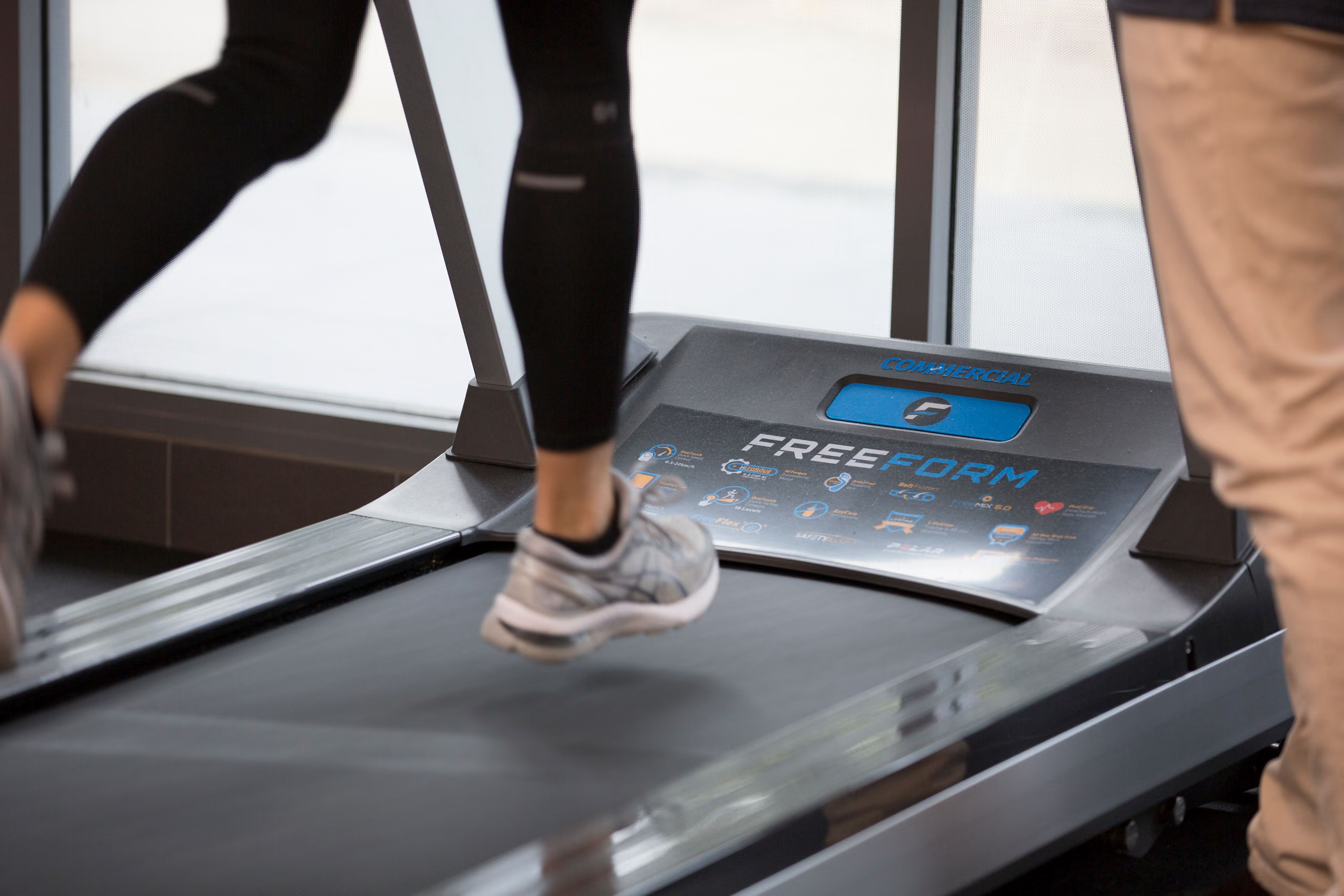
Targeted lower-limb rehabilitation to resolve anterior knee pain, restore joint capacity, and return to pain-free squatting, climbing, and running.
Understanding Patellofemoral Pain (Runner’s Knee)
Patellofemoral Pain (PFP)—traditionally known as "Runner's Knee"—is a common lower-limb condition characterised by pain at the front of the knee, specifically around or directly behind the kneecap (patella).
Beyond the nickname: A condition for all stages of life
While nicknamed "Runner's Knee," this condition is far from being exclusive to runners. Patellofemoral pain affects individuals across all life stages and activity levels—from adolescents experiencing rapid growth spurts and desk workers who feel stiffness after sitting, to recreational gym-goers, manual workers, and field athletes. It occurs when the mechanical load placed through the patellofemoral joint exceeds the tissue's capacity to absorb that force, causing localised sensitivity and irritation.
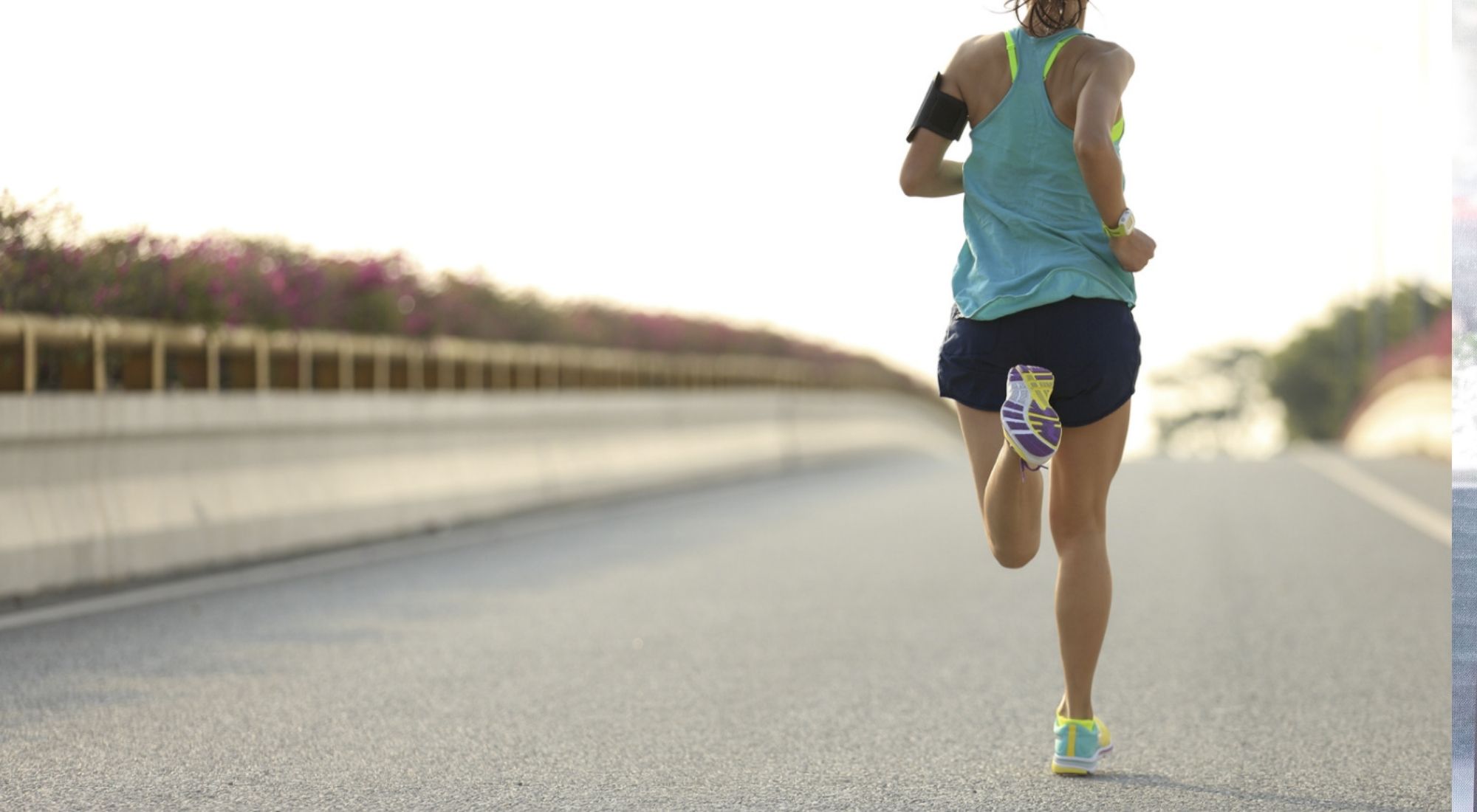
Symptoms typically present as a dull, aching pain at the front of the knee. It is notoriously aggravated squatting, lunging, descending stairs or hills, prolonged sitting (Movie Goers sign) and running.
Research shows that approximately 40% to 55% of individuals with patellofemoral pain continue to report persistent, chronic symptoms 12 months after initial onset—with up to 50% to 90% of adolescents experiencing recurring pain into adulthood if left unmanaged.
Modern clinical practice guidelines highlight that resolving patellofemoral pain requires a comprehensive, multifactorial approach rather than a single "quick fix."
High-level evidence consistently proves that isolated knee treatment is rarely enough. Effective rehabilitation must target both quadriceps strength (to control patellar tracking and load distribution) and gluteal strength ( to control hip adduction and internal rotation).
Research indicates that around 1 in 4 individuals (25%) with patellofemoral pain respond significantly to prefabricated (off-the-shelf) foot orthotics in the early stages of recovery. A quick in-clinic test involved checking if wearing a orthotic immediately reduces pain during a squat.
At Zone 34, we do not just treat the knee in isolation—we analyse your entire movement system to build a lower limb capable of handling high daily and athletic forces.
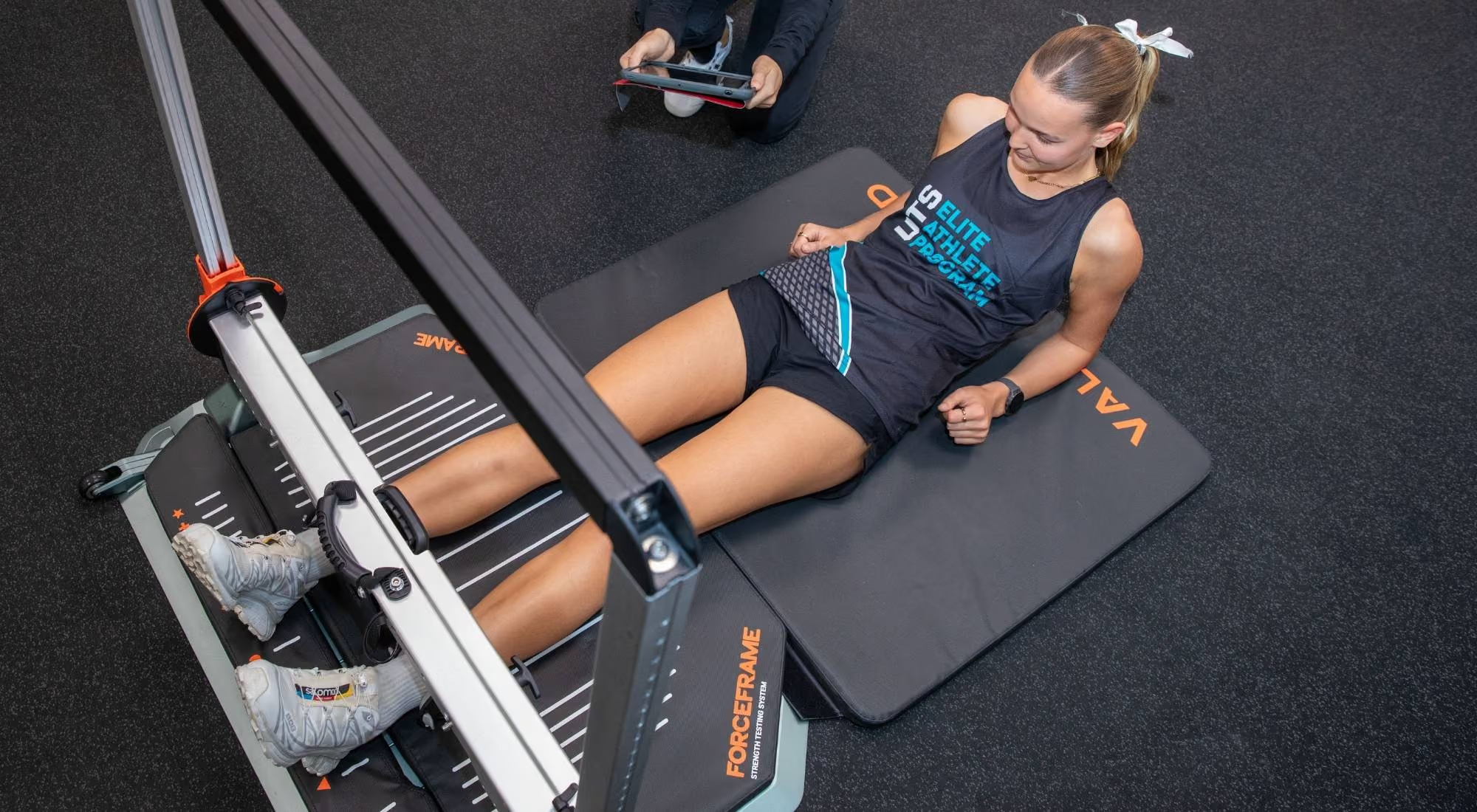
We establish a baseline using objective testing equipment—including force plates and dynamometry—to measure quadriceps and gluteal strength symmetry, and trunk stability. We also conduct video gait analysis to assess running mechanics or squatting technique.
We align your rehab around your lifestyle goals—whether that be sitting comfortably through work meetings, going up and down stairs without aching, getting back to heavy gym squats, or returning to competitive court sports.
We bridge the gap between early clinical pain relief and high-level athletic demands. In our Lewisham and Ultimo gym spaces we guide you through strength work, movement retraining, and dynamic power exercises.
Our systematic pathway focuses on settling acute joint sensitivity while building long-term capacity.
We focus on settling joint inflammation through activity modification, load management, patellar taping, and low load exercises. We may also test whether temporary prefabricated foot orthotics provide immediate offloading.
Guided by your Physiotherapist and Exercise Physiologist, we introduce heavy, controlled resistance training targeting both the quadriceps, gluteals and calf. We retrain movement patterns during squats, step-downs, and running to ensure optimal biomechanical alignment.
In the final phase, we reintroduce sport-specific energy storage, jumping, landing, and sprinting drills. Given the recurrent nature of Patellofemoral pain, it is important to establish a long term independent maintenance program.
Who treats this?
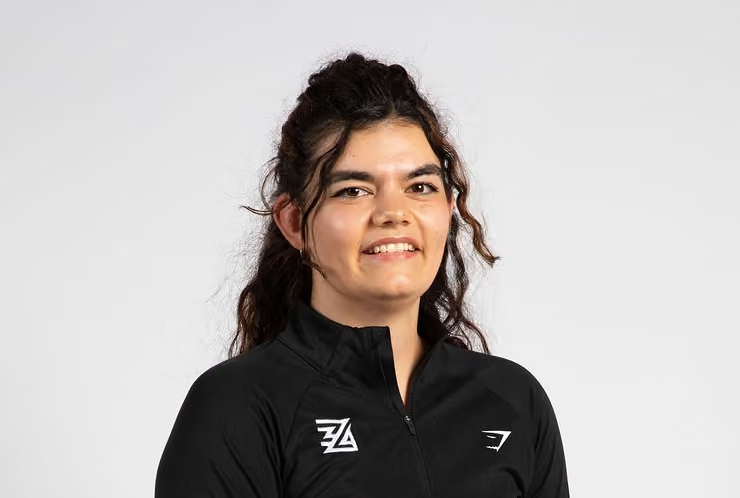
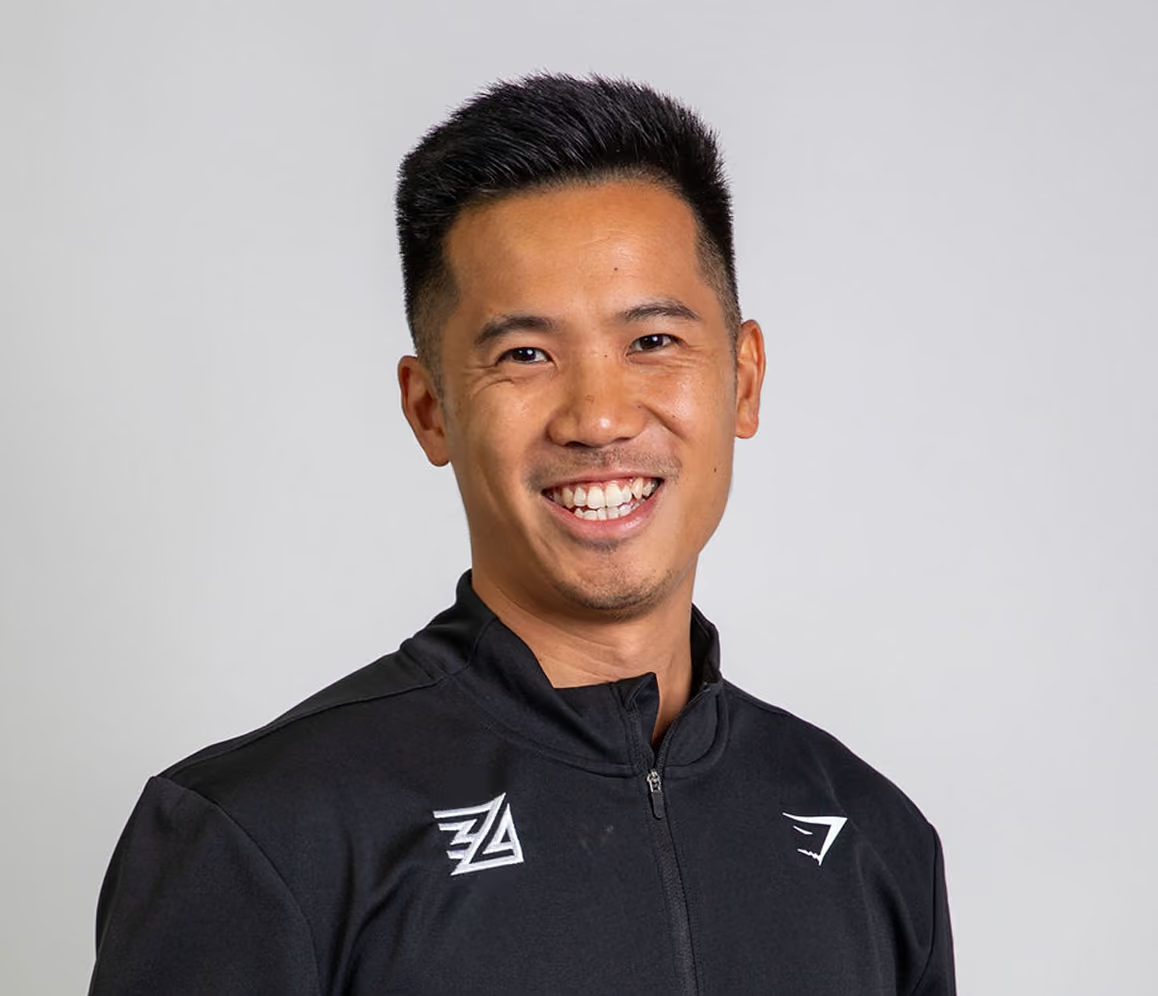
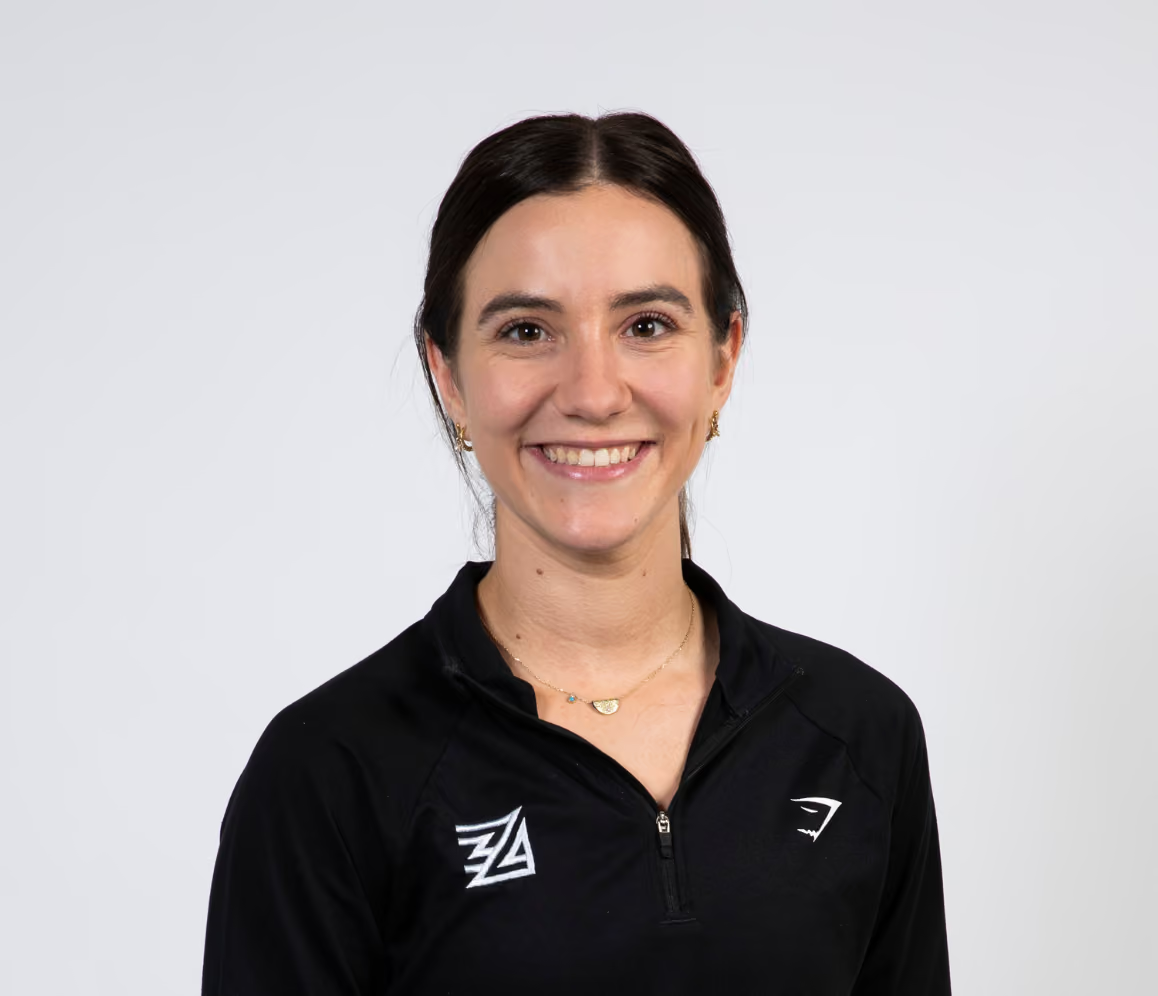
Our experienced team members are ready to help. See their bios below and book online when ready.

.avif)
.avif)
.avif)
All major health funds accepted
Private health claiming via Tyro Health EFTPOS terminal











FAQ

No. Patellofemoral pain is a functional, load-related condition that is accurately diagnosed through a clinical physical examination and movement assessment. Scans rarely show specific changes that alter treatment.
Research shows that around 1 in 4 experience rapid, short-term pain relief from prefabricated orthotics by reducing foot pronation and knee stress. However, orthotics are a supportive tool rather than a cure; they should be paired with quadriceps and gluteal strengthening for long-term resolution.
Sitting with your knees bent at 90 degrees or more increases contact pressure between the back of the kneecap and the thigh bone. Simply straightening your legs periodically or using a footrest can help manage this during work hours.
You rarely need to stop squatting entirely. We typically modify your squat depth (such as box squats above parallel), adjust your foot position, or focus on hip-dominant hinge movements while building quadriceps and gluteal strength, before gradually progressing back to full-depth squats.
Please wear comfortable athletic clothing—such as shorts (so we can easily examine knee mechanics and thigh musculature) and your usual running shoes or work footwear. If you have any existing scans or a copy of your current exercise routine, feel free to bring those along as well.