

Post Natal Rehab
.avif)
Nurture your body, rebuild your strength, and step into motherhood with confidence through tailored post-partum care.
Understanding Postnatal Recovery
Postnatal recovery is a gentle, natural process of healing and physical adaptation as your body transitions after pregnancy and childbirth. Bringing a new life into the world is an extraordinary experience that involves deep structural, hormonal, and musculoskeletal changes across your entire body. It is very common to experience pelvic floor heaviness, bladder leakage, abdominal separation (DRAM), lower back ache, or wrist strain from nursing baby.
We offer a complete range of gentle, evidence-based therapies designed to support your body's unique healing needs after birth. Please remember that pain or discomfort is not something you simply have to live with; your body has done something amazing and can heal with gentle support.
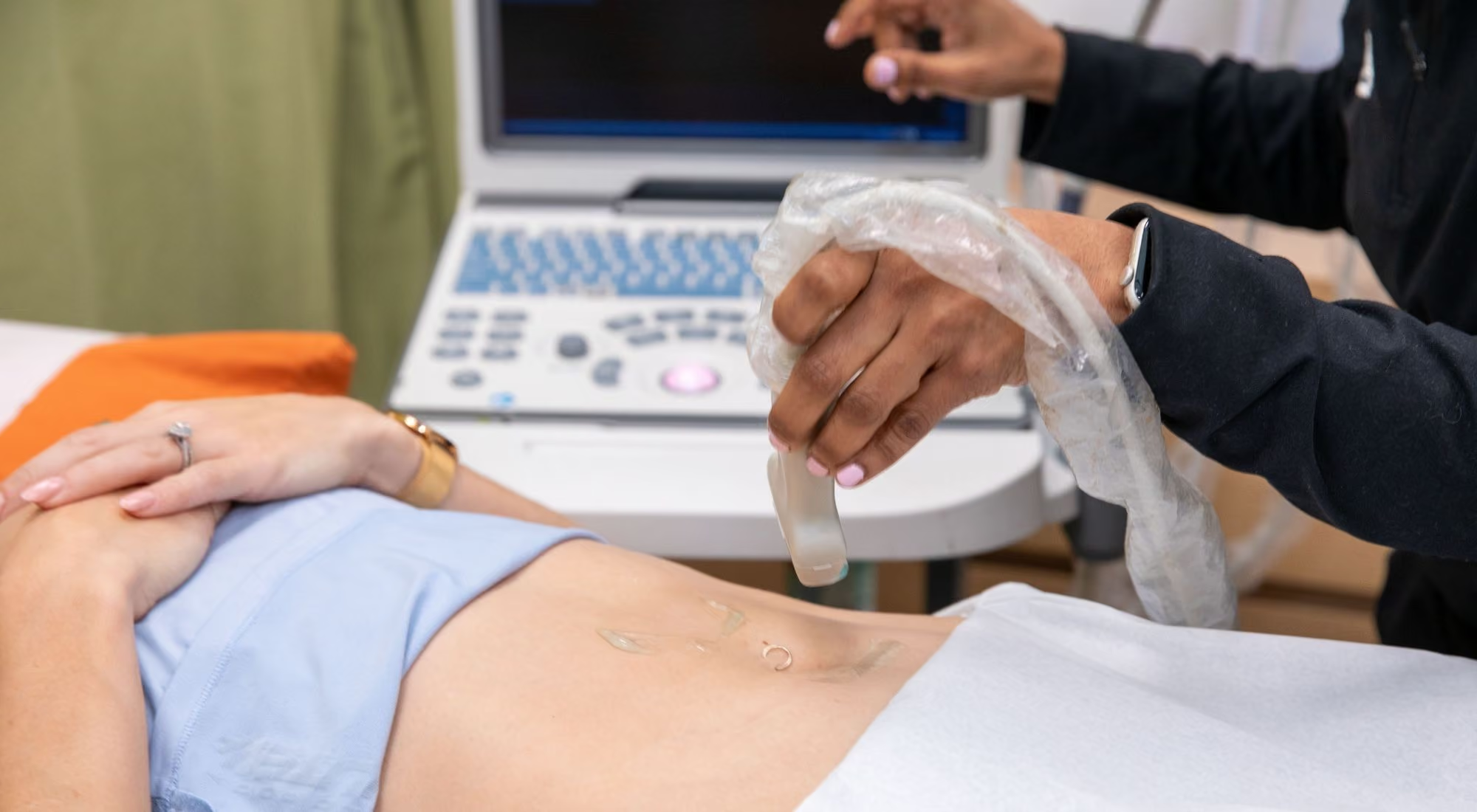
We thoroughly evaluate your pelvic floor, abdominal wall tension (DRAM), and posture, using real-time ultrasound so you can see your core contract on screen.
We provide compassionate care for urinary incontinence, prolapse symptoms, or pelvic heaviness, guiding you through tailored exercises and breathing techniques.
Clinical evidence strongly supports the use of vaginal pessaries as a safe, highly effective conservative option to instantly offload pelvic organ prolapse symptoms and bladder leakage, empowering you to exercise and move comfortably while your tissues heal.
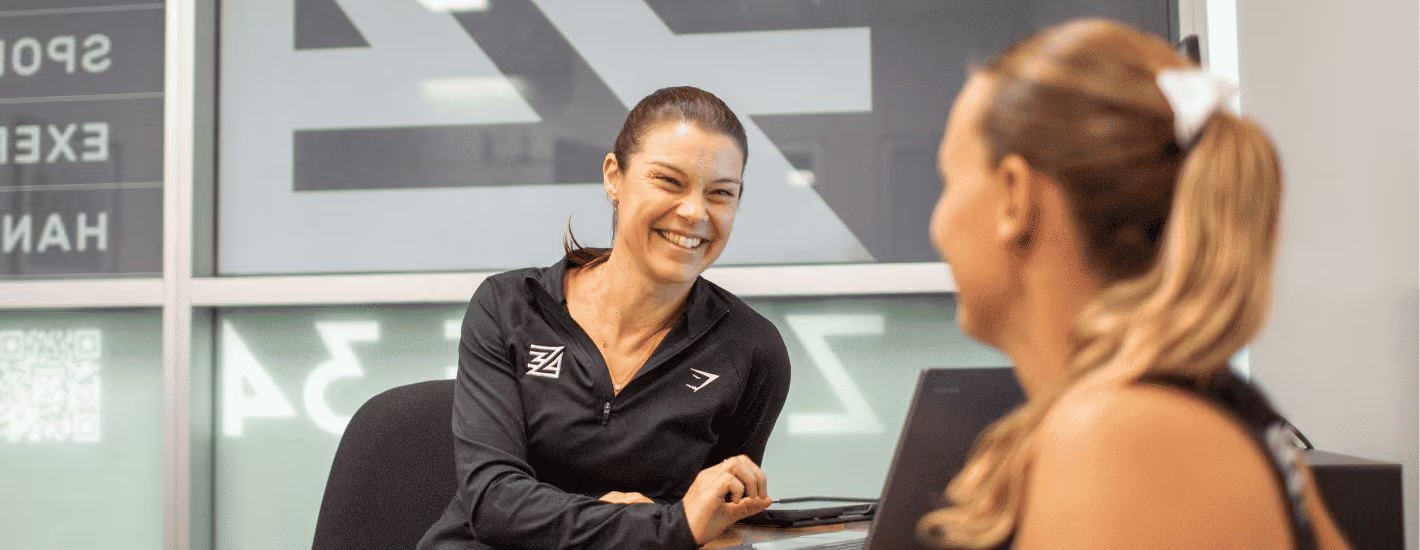
Our clinical philosophy is built on delivering empathetic, female-focused care that honours your individual postpartum journey.
At our Ultimo clinic, we create a warm, welcoming environment where you feel listened to, validated, and genuinely supported at every step.
Your physiotherapist collaborates directly with Clinical Dietitians and Exercise Physiologists to support your overall recovery, energy, and strength.
Whether you want to go for walks leak-free, lift your toddler comfortably, or return to running, we tailor your recovery around your personal goals.
Our systematic, phased pathway gently guides your recovery from foundational healing back to full physical confidence.
We focus on gentle pelvic floor co-contraction, deep diaphragmatic breathing, comfortable nursing postures, and calming acute body aches.
We introduce progressive resistance exercises for your glutes, back, and deep core, building practical capacity for daily mothering demands.
We prepare your body for a safe return to high-impact sports or running, with options to join our expert-led Strong Bodies classes.
Who treats this?
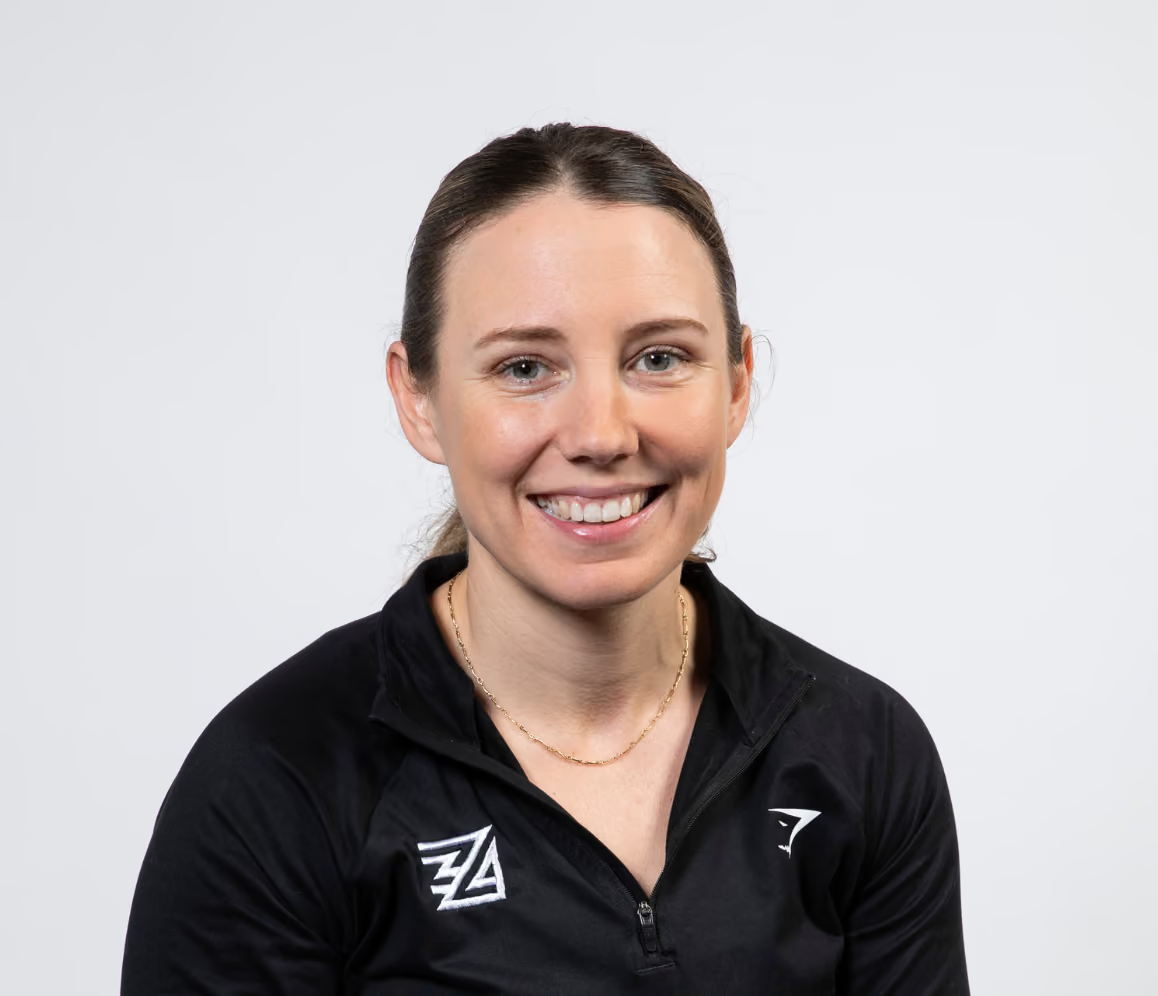
Our experienced team members are ready to help. See their bios below and book online when ready.
.avif)
.avif)
.avif)
.avif)
All major health funds accepted
Private health claiming via Tyro Health EFTPOS terminal











FAQ

We recommend booking your comprehensive 6-week postnatal assessment around 6 to 8 weeks after giving birth (whether delivered vaginally or via C-section). However, if you are experiencing severe pain, heaviness, or bladder issues earlier, you can see us sooner for gentle advice.
Yes, absolutely! Babies are very welcome at our clinic. Our treatment rooms and clinic space are baby-friendly, so you can bring your little one along in their pram or capsule without any worry.
While bladder leakage is very common after childbirth, it is not something you simply have to accept. Incontinence usually indicates that your pelvic floor and deep core muscles need targeted retraining, which responds exceptionally well to physiotherapy.
According to clinical guidelines, a high-impact return to running is generally recommended no earlier than 3 to 6 months post-partum, following a thorough pelvic floor and functional strength assessment to prevent injury or prolapse. We guide you through specific screening tests to ensure your body is ready.
Please wear comfortable, loose-fitting athletic clothing that allows you to move easily. If you have any hospital discharge notes, pelvic floor assessment records, or scan reports, feel free to bring those along as well.