

Post Partum
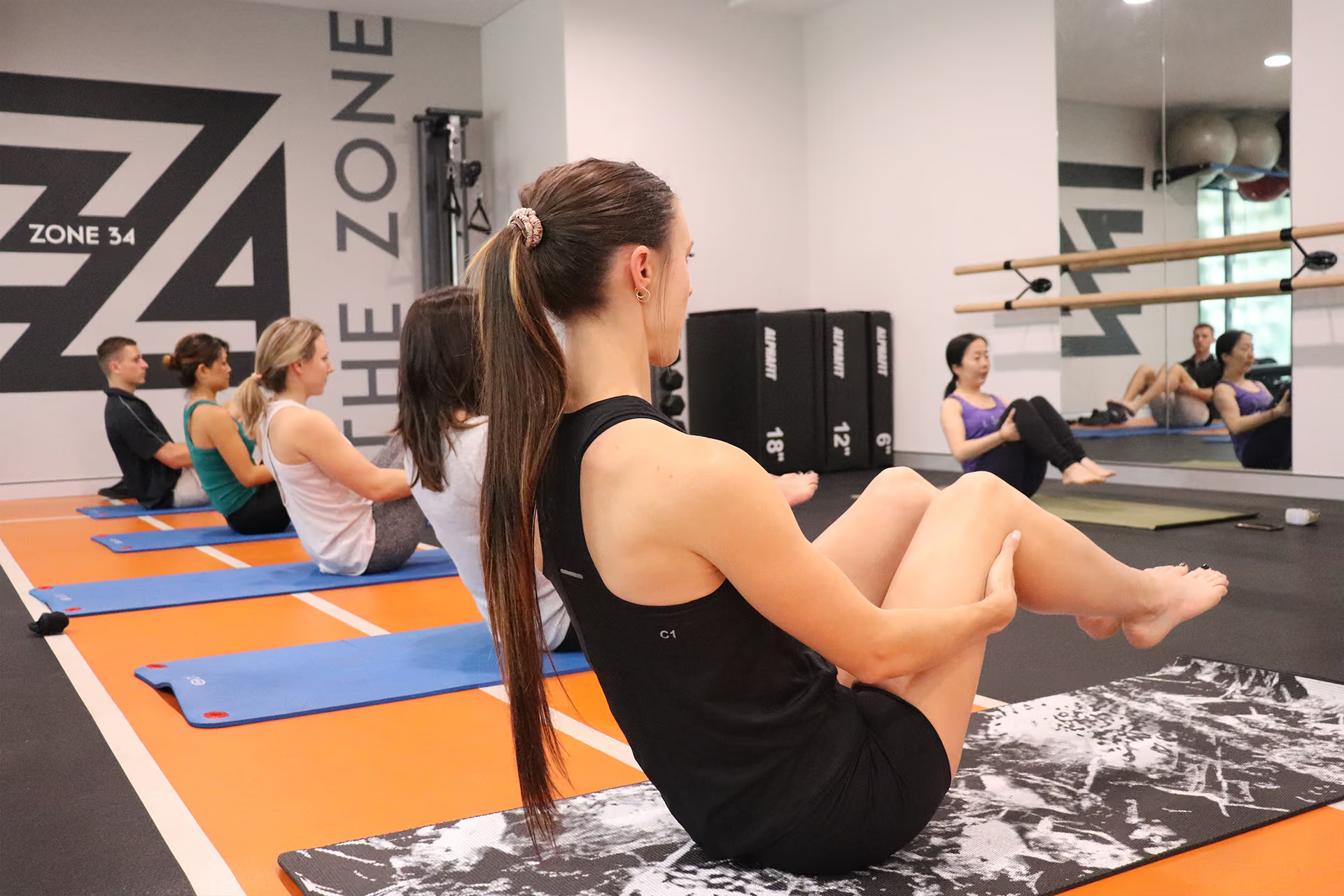
Specialised support for women returning to strength training, running, sport, and competition after birth
.avif)
What is Postpartum Active Female Care?
At the Active Female Hub, we support active women through the physical recovery, hormonal changes, and performance demands of the postpartum period. We focus on helping women return to movement safely, progressively, and confidently, keeping long-term pelvic health and athletic performance in mind.
Many women experience reduced confidence and uncertainty around what is safe when transitioning back to their previous training routines or team sports. Pregnancy and birth can result in a loss of strength, power, and cardiovascular conditioning, alongside tendon pain or overload injuries upon returning to activity. For active women, the postpartum period can lead to pelvic floor symptoms during exercise, abdominal weakness, or hip, lower back, and pelvic pain.
Seeking treatment early prevents micro-tears and overload injuries from turning into chronic issues. Care should be sought when women experience pain, pelvic floor symptoms, or uncertainty around safe exercise progression after birth.
Seek care if you experience postpartum pelvic girdle and lower back pain, running-related pelvic pressure, heaviness, or stress urinary incontinence during exercise.
Expert guidance is crucial when managing load for return to running, gym-based rehabilitation, and strength training progression.
Red flag signs that need immediate care include increasing pelvic floor symptoms, pain that worsens despite resting, or instability during impact exercise.
Postpartum recovery is more than waiting six weeks, as pregnancy, birth, sleep disruption, and hormonal changes strongly influence how the body tolerates exercise. A multidisciplinary team specialising in postpartum recovery is critical to help women rebuild safely for higher-level activity.
Specialised care addresses diastasis recti abdominis (DRA), pelvic organ prolapse symptoms, and scar management following a caesarean birth.
Our approach goes beyond simply getting cleared and focuses on preventing fear of leaking or heaviness during lifting and running.
Dietetics support is essential for active mothers to manage recovery nutrition, breastfeeding considerations, hydration, and fatigue.
A successful recovery plan must be progressive, individualised, and adaptable to your personal lifestyle or sport. We provide personalised care tailored to your body, recovery timeline, and specific training goals.
Tailored programming includes progressive return-to-running plans, core and pelvic stability training, and cardiovascular reconditioning
We provide fatigue-aware exercise programming to safely accommodate the sleep disruption and physical demands of caring for a newborn.
Individualised pathways help recreationally active women, endurance athletes, and CrossFit participants safely return to sport and competition.
Who treats this?
Our experienced team members are ready to help. See their bios below and book online when ready.
.avif)
.avif)
.avif)
.avif)
.avif)
.avif)
.avif)
All major health funds accepted
Private health claiming via Tyro Health EFTPOS terminal











FAQ

Recovery timelines are highly individualised and depend on birth experiences and training goals, but a progressive, structured rehabilitation plan must be adaptable to your specific stage of healing.
We use targeted pelvic health physiotherapy to improve pelvic floor strength, coordination, and pressure management during lifting and running.
While common, postpartum pelvic girdle and lower back pain should be managed through specialised sports and exercise physiotherapy rather than ignored.
Dietitians assist with recovery nutrition, muscle rebuilding, fatigue management, and sustainable nutrition strategies for breastfeeding and active mothers.
Yes, our clinicians provide personalised support for core rehabilitation and Diastasis Recti Abdominis (DRA) to help you confidently return to higher-level activity.