

Rotator Cuff Repair
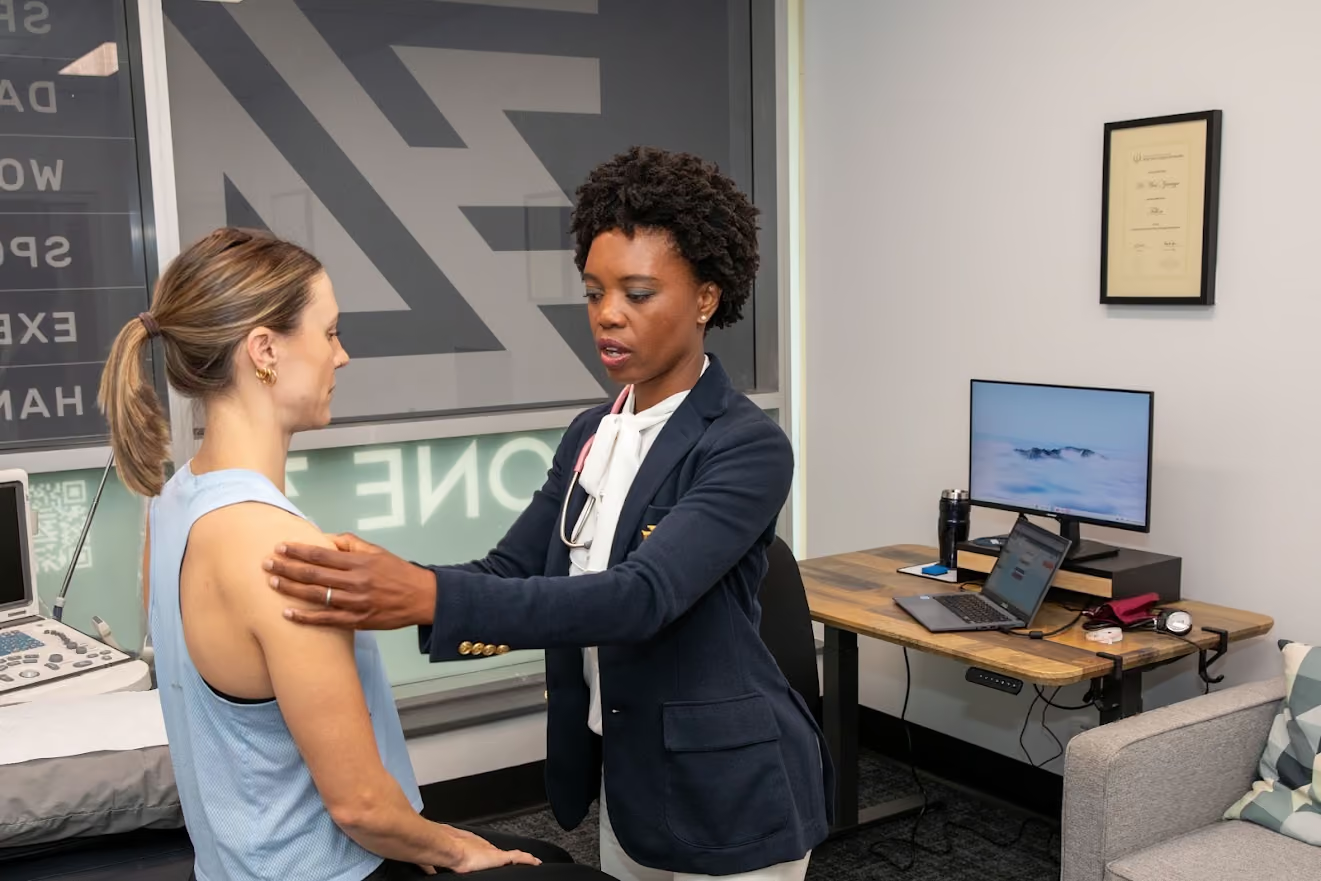
Rebuild shoulder capacity, protect your surgical repair, and safely regain full overhead reach with criteria-based physiotherapy.
Post-Operative Shoulder Specialist Care
Surgical repair of a rotator cuff tear requires a fundamentally different rehabilitation approach than non-operative management to protect biological healing. Unlike non-operative care where early active movement is encouraged, post-surgery active movement is avoided while anchored tissues bind.
We work in direct coordination with your orthopaedic surgeon, ensuring every movement milestone strictly matches your operative report and surgical guidelines. Once cleared by your shoulder specialist, our criteria-based approach systematically transitions your shoulder from early passive sling protection to high-force athletic or occupational lifting.
Navigating post-operative shoulder recovery requires balancing early joint protection with progressive mobility to prevent long-term stiffness.
In the initial post-op weeks, surgical anchors hold the reattached tendon against the bone, making early sling immobilisation essential to safeguard the repair.
While protecting the repair is vital, prolonged complete rest causes severe muscle wasting and capsular tightness. Surgeons' protocols often allow passive gentle range of motion in a small range in the first six weeks.
Basic tasks like dressing, personal hygiene, and sleeping require modified strategies and extra assistance during the early immobilisation phase. Be kind to yourself - rotator cuff repair can be quite painful in the early stages.
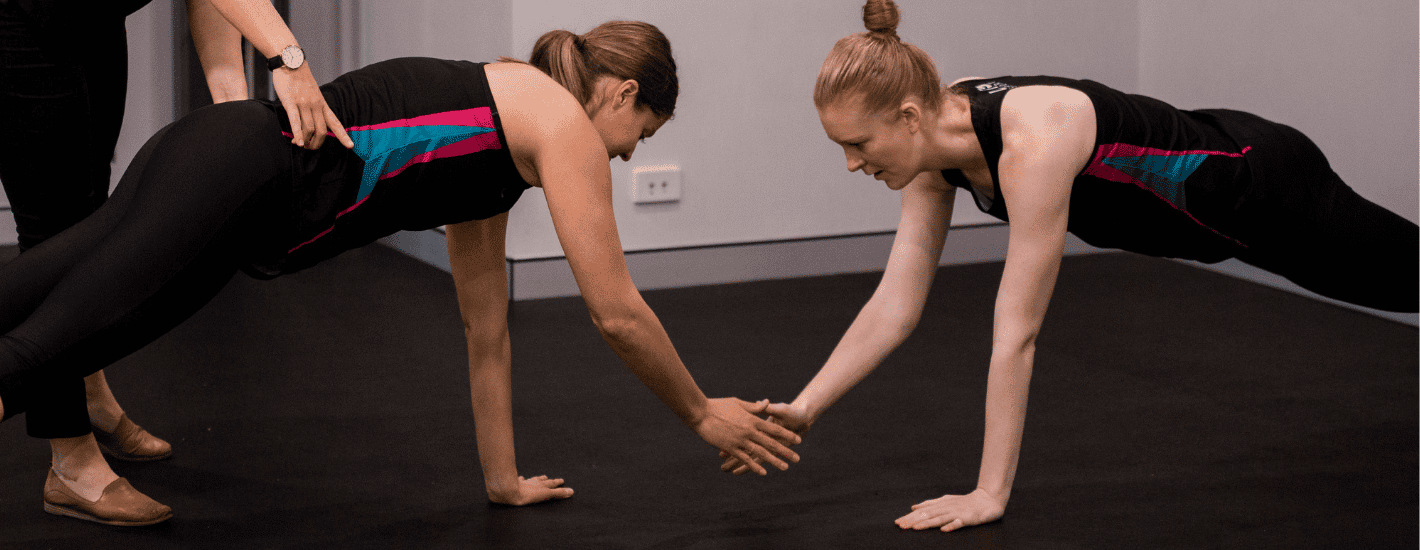
Successful post-surgical outcomes rely on initiating physiotherapy within specific biological windows aligned with your surgeon's protocol. Progression through our three-stage rehabilitation pathway is governed by functional criteria alongside typical healing timeframes.
Focuses on protecting the repair in a sling, controlling pain, and achieving passive range-of-motion targets without active cuff engagement.
Begins once the tendon has bound to bone, introducing active-assisted movements, and light resistance. Anecdotally patients often find it isn't until 3 months post op that the shoulder is feeling better then pre operative - be patient!
Integrates overhead lifting, sport-specific conditioning, and full kinetic chain strengthening after passing objective strength benchmarks. A full recovery post rotator cuff repair often takes 9-12 months.
We eliminate guesswork from post-operative recovery by using objective digital strength data to guide every progression decision.
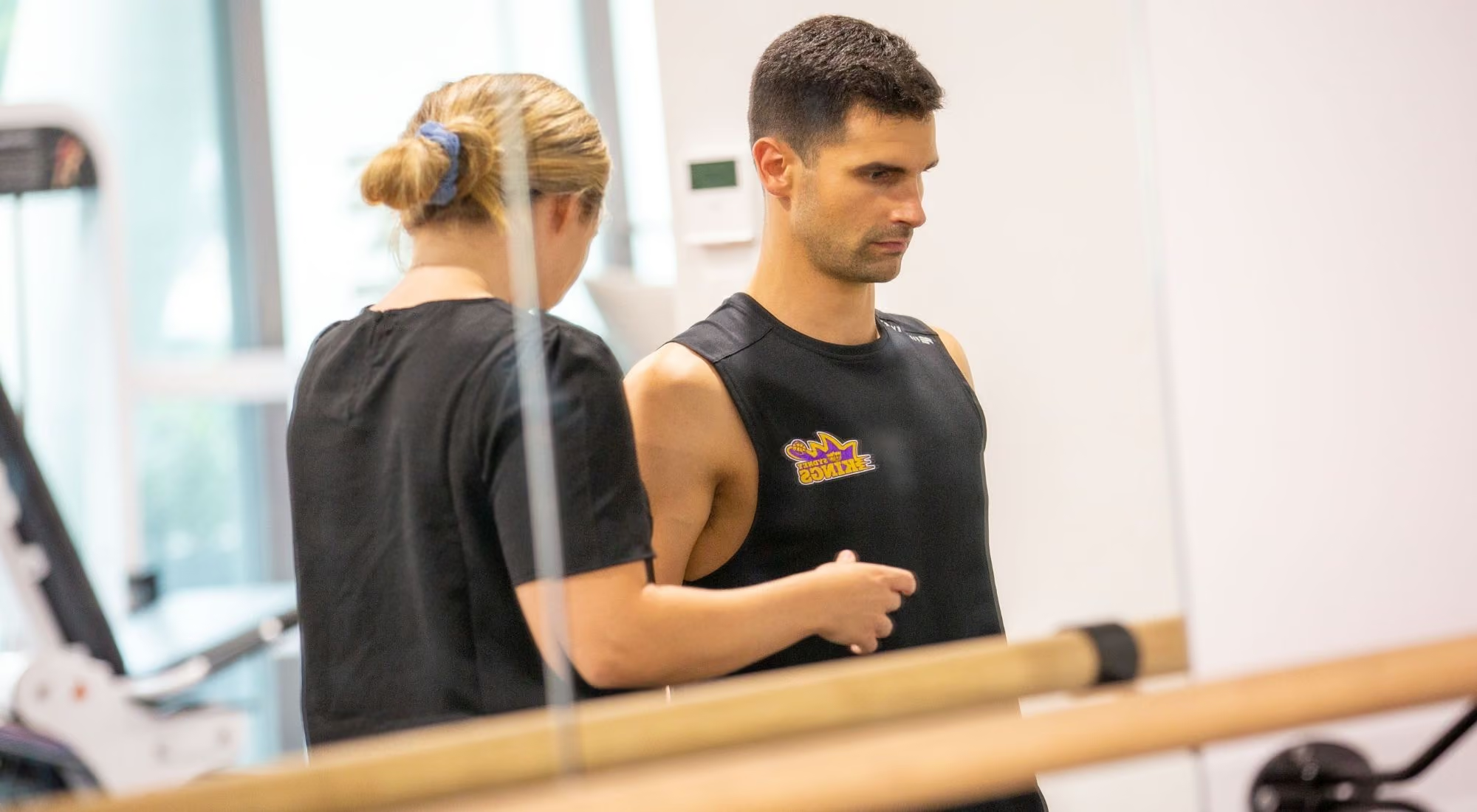
Using advanced VALD Force Frame testing and dynamometry, we assess muscle capacity to ensure your rotator cuff is ready for load.
Your strength and mobility data are compared against age, gender, and sport-specific normative standards before granting high-load or overhead clearance. Simply comparing left to right side can miss the bigger picture.
We address underlying movement flaws by retraining shoulder blade stability and full-body force transfer to offload the newly repaired tendon.
Who treats this?
Our experienced team members are ready to help. See their bios below and book online when ready.

.avif)
.avif)
.avif)
All major health funds accepted
Private health claiming via Tyro Health EFTPOS terminal











FAQ

Most patients must wear their supportive sling for 4 to 6 weeks post-surgery to protect the delicate, reattached tendon while it binds to the bone. Your surgeon will tell you exactly when it is safe to remove it for specific passive exercises and daily hygiene tasks.
Sleeping flat on your back or on your side places direct pressure and mechanical tension on the healing shoulder joint, which often increases throbbing nighttime pain. Propping yourself up at a semi-reclined angle with pillows under your torso and your surgical arm usually provides the best relief during the early weeks.
You will typically begin light, gravity-assisted active movements around week 6, but progressive overhead lifting and heavy resistance training generally cannot start until 3 to 4 months post-op. This milestone is only granted after objective force testing proves your rotator cuff has achieved the necessary baseline strength to stabilise the joint safely.
Clinical Practice Guidelines for Post-Operative Rotator Cuff Rehabilitation. (2023). Journal of Orthopaedic & Sports Physical Therapy.