

Shin Splints
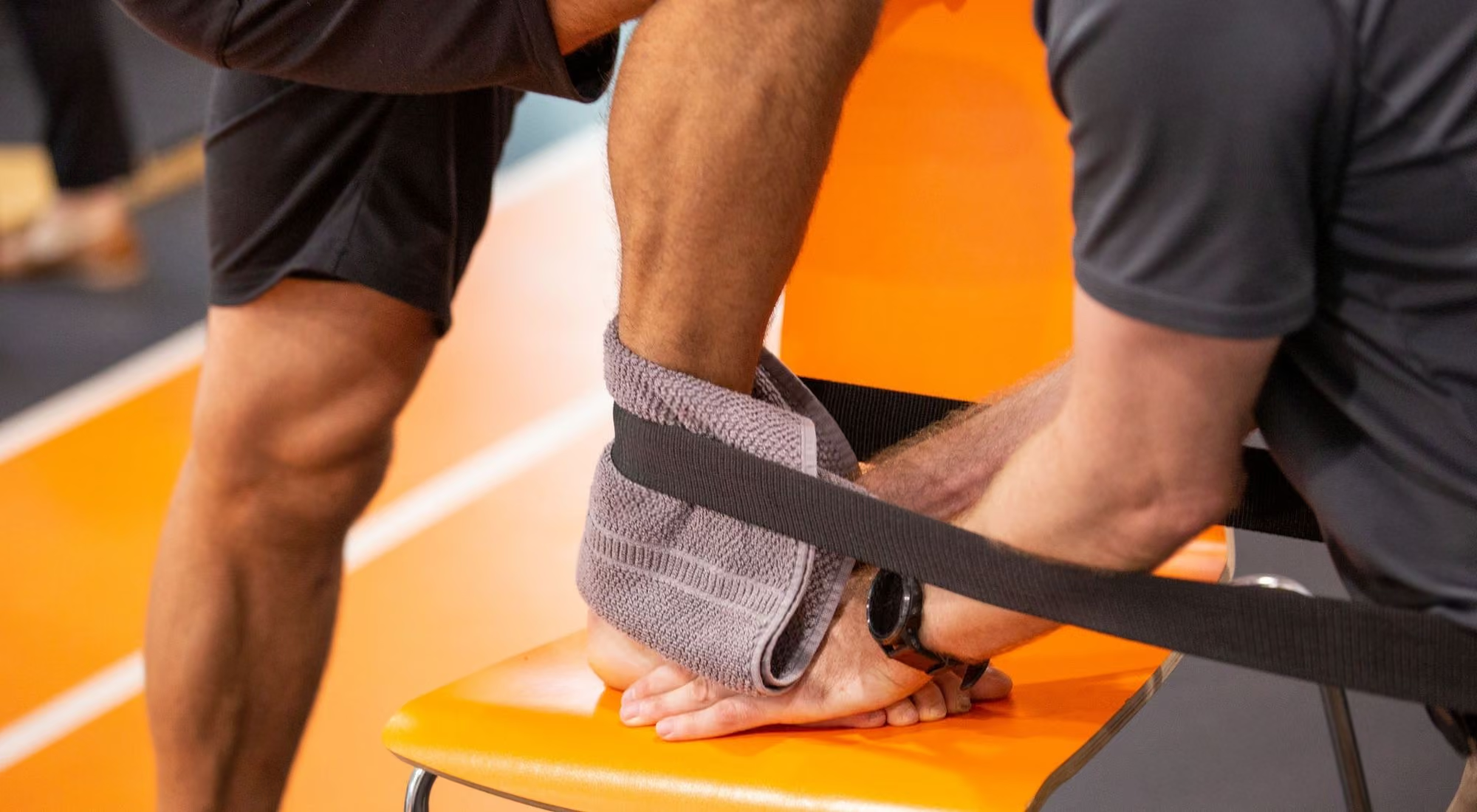
Eliminate shin pain and safely return to running with our specialised, evidence-based management plans.
Understanding Shin Splints (Medial Tibial Stress Syndrome)
Medial tibial stress syndrome refer to pain along the inner edge of the shin bone caused by repetitive stress, acting as an early warning sign that your bone is struggling with its workload. If poorly managed, this irritation can progress into a bone stress reaction that sidelines you for months.
Symptoms typically include a dull, aching pain along the inner lower half of the shin, and tenderness when pressing on the bone. In mild cases the pain may warm up, and only return later in a session or when cooling down.
Accurate assessment is crucial to not only identify training load errors but to rule out more serious differential diagnoses with similar symptoms, such as a high-risk anterior tibial stress fractures or chronic exertional compartment syndrome.
Addressing initial shin discomfort before it develops into a long-term bone stress injury drastically shortens your time away from the court. Seeking treatment early allows us to modify your load and preserve your cardiovascular fitness without further aggravating the bone.
Immediate management centres on smart activity adjustments, modifying high-impact court volume, and preserving your core fitness without aggravating the tibia.
If shin discomfort has lingered past 4 to 6 weeks, we step away from complete rest and introduce progressive, targeted impact training to build capacity and calf tissue tolerance.
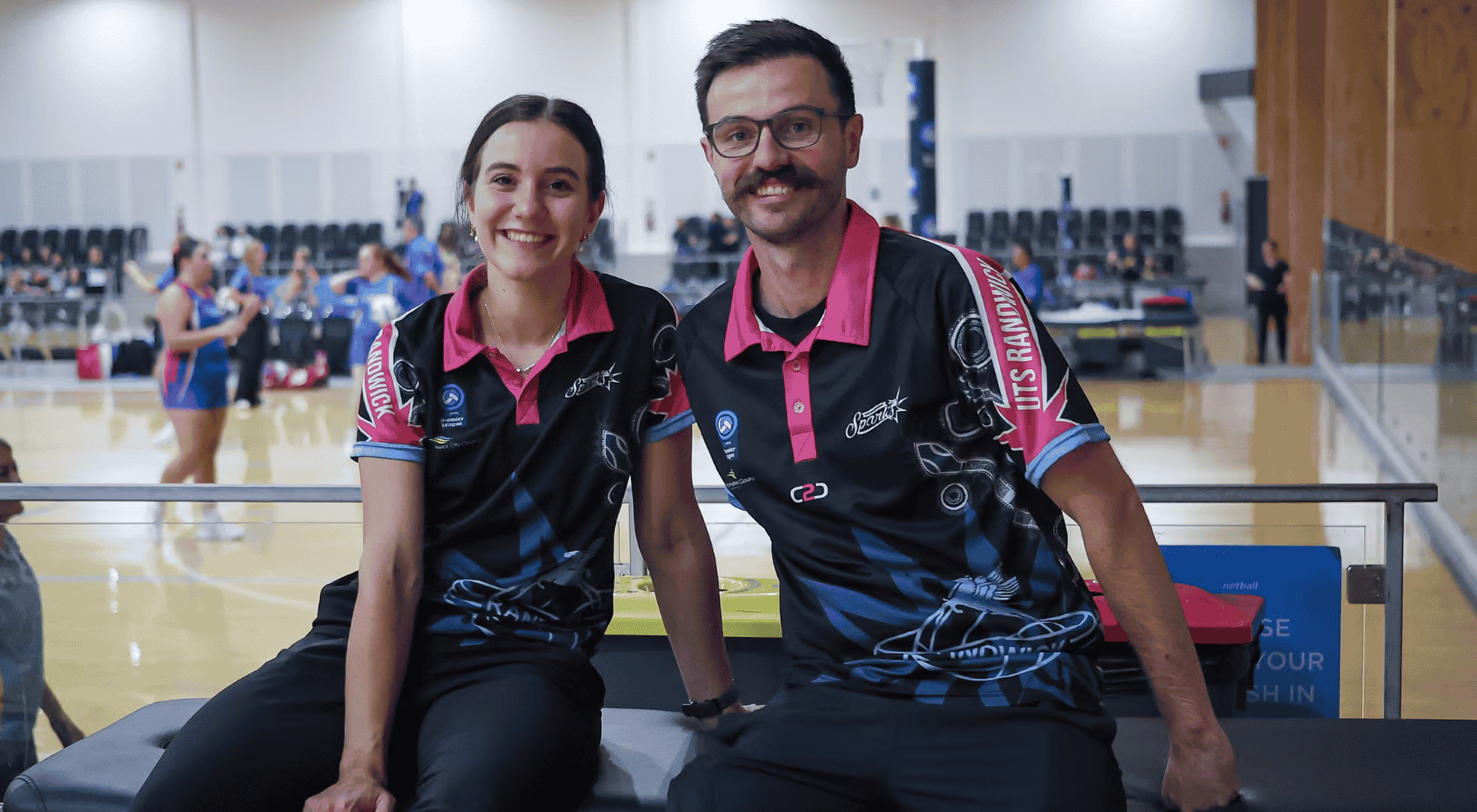
We manage this condition across the board, from competitive basketball and netball players to weekend warriors navigating new training loads or tricky court surfaces.
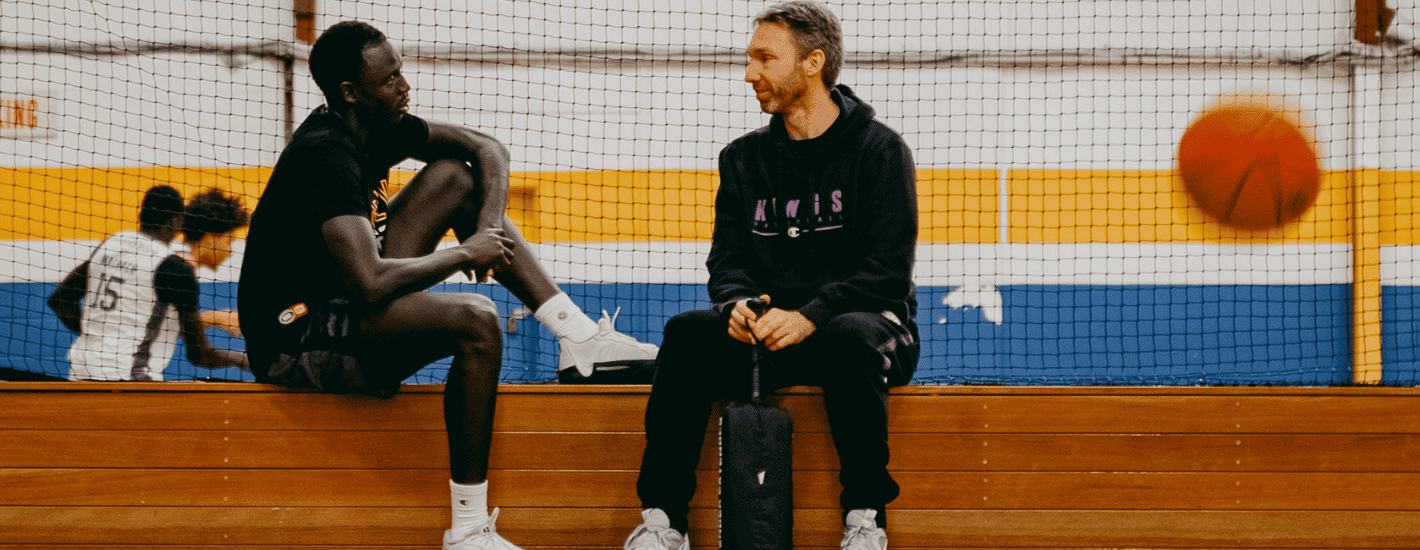
Our clinical philosophy rejects generic rest-and-ice protocols, focusing instead on objective baseline metrics to construct a highly resilient lower limb foundation. Expert care ensures your return to the court is backed by measurable physical data rather than guesswork.
We utilise VALD force testing and dynamic running analysis to accurately measure your calf capacity, ankle mobility, and landing force distribution.
A treadmill based running assessment may help determine mechanics that increase the load on the lower leg, such as over striding, or heavy heel strike. The running assessment is combined with detailed strength and functional stability measures to determine if strength, mobility or running technique changes are appropriate.
Our physiotherapists work directly alongside our Accredited Exercise Physiologists and Accredited Dietitians, combining physical rehabilitation with nutritional strategies to accelerate bone recovery.
Your recovery path is built on a systematic, structured loading program designed to safely condition your lower legs to handle the extreme braking forces required in court sports. A successful plan must be progressively overloaded and highly individualised to your specific biomechanics.
We utilise targeted soft tissue techniques to relieve muscle tension, implement immediate court load modifications, and establish accurate baseline mobility scores.
We focus on progressive strength training for the calf complex, deep foot stabilisers, and shin musculature to shield the underlying bone from heavy impact.
The final stage introduces sport-specific agility drills, hard-surface landing conditioning, and customised volume monitoring to keep you performing pain-free long term.
Who treats this?
Our experienced team members are ready to help. See their bios below and book online when ready.


.avif)


.avif)
.avif)
All major health funds accepted
Private health claiming via Tyro Health EFTPOS terminal











FAQ

Hard court sports demand sudden acceleration, braking, and jumping. Shin splints develop when the repetitive impact forces from these actions exceed the current capacity of your shin bone and surrounding calf muscles, causing localised swelling and pain.
While orthotics can temporarily reduce pain by altering foot mechanics, clinical evidence shows they are not a standalone cure. They are best used as a short-term aid alongside targeted calf strengthening. True long-term recovery relies on a progressive loading program to rebuild your bone's impact tolerance, rather than creating a permanent dependence on shoe inserts.
Mild cases caught early can settle within a few weeks with proper load management, but chronic cases where severe bone stress has occurred generally require 3 to 6 months of structured, progressive loading to return to full game intensity safely.
While temporary rest can alleviate sharp pain, complete inactivity causes your muscles and bones to lose further strength. A structured, low-impact loading program is necessary to strengthen the leg so it can handle impact activities again.
Long-term recovery relies on building excellent calf strength, improving ankle flexibility, and strengthening the deep stabilising muscles of the foot. We gradually progress these into sports-specific landing, jumping, and agility drills to get you match-ready.