

Shoulder Instability
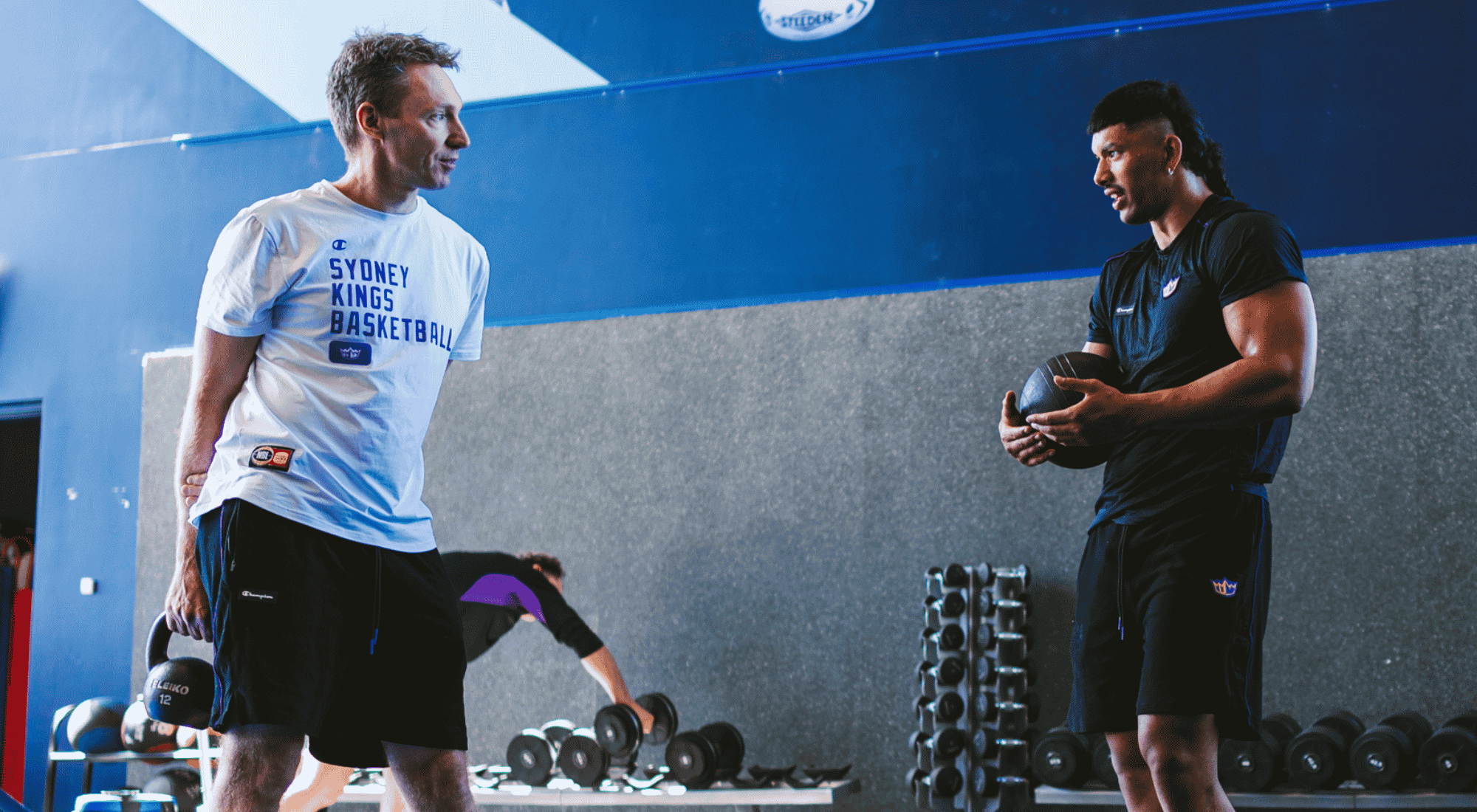
Get back to a stable, confident shoulder with our evidence-based, data-driven management plans.
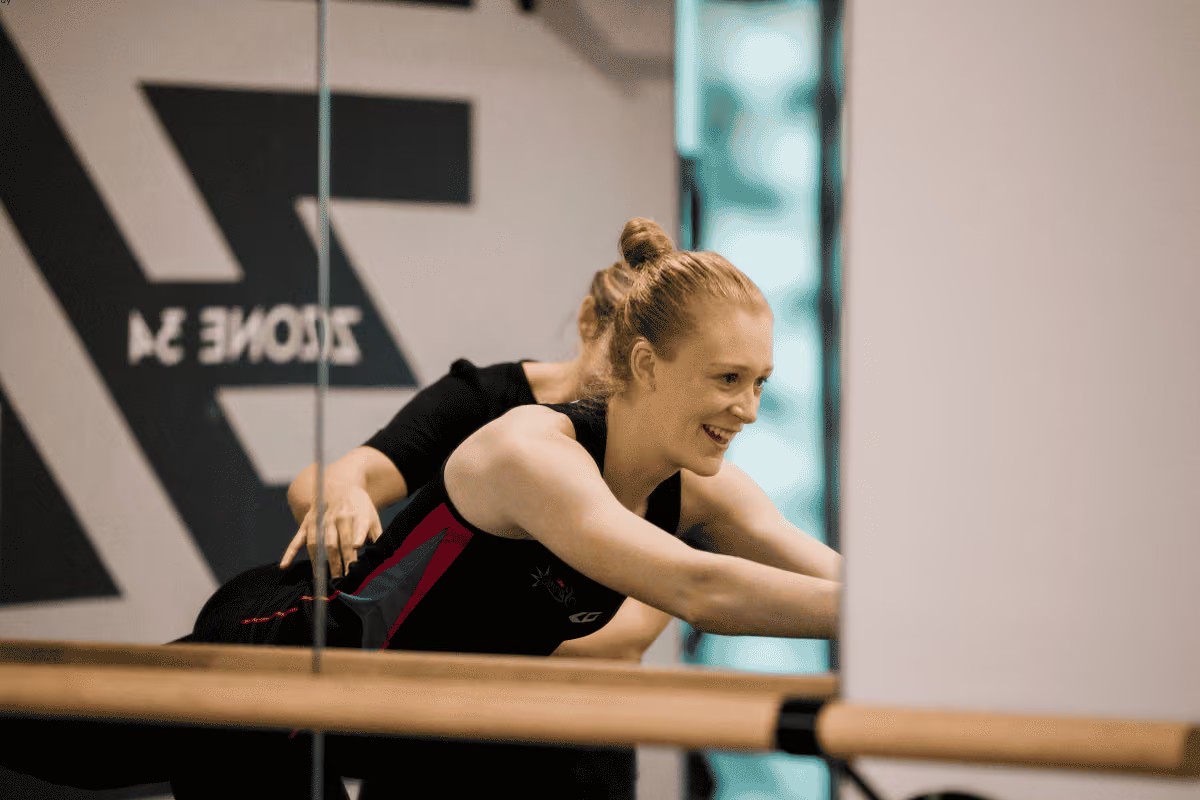
Understanding Shoulder Instability
Shoulder instability occurs when the structures that keep your arm bone centred in its socket—such as the ligaments and labrum—become stretched, torn, or detached. This compromise in structural integrity often results in a joint that feels loose, "slips" during activity, or recurrently pops out of place entirely. Symptoms frequently present as a persistent feeling of joint "slipping," significant apprehension during overhead reaching, and recurrent pain or audible clicking during movement.
Traumatic instability results from a specific, high-force event (like a tackle or fall) that structurally tears the labrum or ligaments during a dislocaotion or subluxation.
Atraumatic instability happens without a single inciting injury and can be genetic (such as generalised joint hypermobility, leading to multidirectional instability) or repetitive (acquired instability, where overhead athletes like swimmers and throwers experience micro-trauma that gradually stretches the joint capsule over time).
High recurrence rates post acute dislocation
Shoulder instability is most common in contact athletes (such as AFL and rugby players) and overhead sportspeople who require a robust, reliable shoulder to compete at a high level. Studies indicate that after a first time dislocation, up to 90% of younger patients under the age of 20 suffer recurrent instability. Identifying the specific direction and cause of instability early prevents chronic joint damage and is crucial for restoring your athletic performance through a structred rehab program.
We believe in the importance of a thorough assessment of your injury and functional ability. Identifying the specific direction and cause of instability early prevents chronic joint damage and allows us to build a precise baseline and strategy to restore your physical capacity.
Your rehabilitation will be structured and progressed to allow you to return to your daily activities and chosen sport. We adapt every stage of the loading protocol to safely match the specific physical demands of your lifestyle, prioritizing long-term tissue resilience over quick fixes.
Sessions are one-to-one, involving targeted hands-on treatment to manage symptoms. We utilise accurate and reliable measurement—such as objective force testing and biomechanical screening—to strictly monitor your progress, coupled with highly supervised rehabilitation in our elite performance gym.
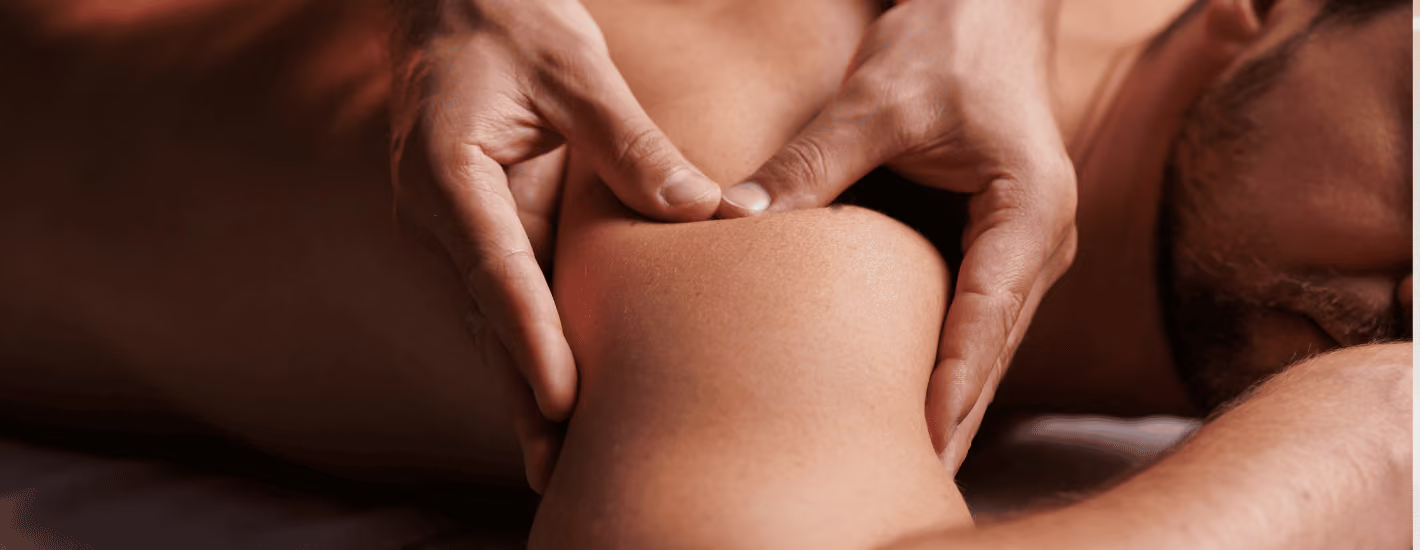
At Zone 34, we move beyond the outdated "rest and see" approach to actively engineer a shoulder capable of withstanding elite-level athletic loads.
We utilise objective force testing and biomechanical screening to measure exactly how your shoulder handles load, ensuring we aren't guessing when you are ready to return to play. VALD testing will include isometric strength tests such as an Athletic Shoulder Test (ASH test) using a Force Frame or dynamometer.
Our Lewisham and Ultimo clinics are purpose-built to transition you from initial protection through to high-level, sports-specific explosive loading in a performance gym environment.
Our senior clinicians maintain regular communication, ensuring your physiotherapist, coach, and trainer (if required) are completely aligned on a single, data-driven recovery path.
Our systematic approach ensures your recovery is both progressive and safe, prioritizing long-term tissue resilience and risk mitigation. We adapt every stage of the loading protocol to match the specific physical demands of your sport or profession.
Following an instability event, the connection between your nervous system and the shoulder's stabilising muscles is often disrupted. Our immediate focus is on rapidly restoring this neuromuscular control, retraining your body to automatically engage the rotator cuff to keep the joint secure under load and eliminate feelings of apprehension
We begin by utilizing gentle isometric activation to keep the rotator cuff engaged without stressing damaged tissues. As your dynamic stability improves, we gradually introduce structured, progressive strength work tailored specifically to the directional stability requirements of your sport. We carefully work into elevated positions as you are able, building confidence into throwing, falling and contact drills when ready.
Many instability cases—especially those without significant bone loss—are successfully managed with targeted, progressive strengthening if the rehabilitation starts early enough. However, when structural damage is severe, surgical stabilisation is sometimes necessary.
For those requiring surgery, we provide integrated care following specific protocols, as detailed in our Zone 34 Post-Op Shoulder Reconstruction Guide. We bridge the gap between the operating table and the playing field, ensuring your reconstructed ligaments are progressively loaded to handle elite athletic forces.
Who treats this?
Our experienced team members are ready to help. See their bios below and book online when ready.

.avif)
.avif)
All major health funds accepted
Private health claiming via Tyro Health EFTPOS terminal











FAQ

While every case is unique, most patients see significant stability improvements and return to baseline activities within 3–6 months of structured, data-driven loading.
Not necessarily. Many instability cases—especially those without significant bone loss—are successfully managed with targeted, progressive strengthening if the rehabilitation starts early enough.
In most cases, yes. We specialise in finding ways to modify your activities and movement patterns so you can stay active and maintain fitness while we specifically rehabilitate the shoulder.
Once you dislocate your shoulder, the ligaments and labrum that hold the joint in place become stretched or torn. Without targeted rehabilitation, up to 90% of younger patients under 20 suffer recurrent instability because the joint lacks the structural and muscular support required to stay centred. For some recurrent cases, the choice then lies between proceeding with surgery or reconsidering high risk sporting demands.
In the acute window (first 48–72 hours), you should strictly protect the joint and manage inflammation. You should avoid extreme overhead reaching, throwing, or heavy contact activities that place direct stress on the damaged tissues.