

ACL Reconstruction
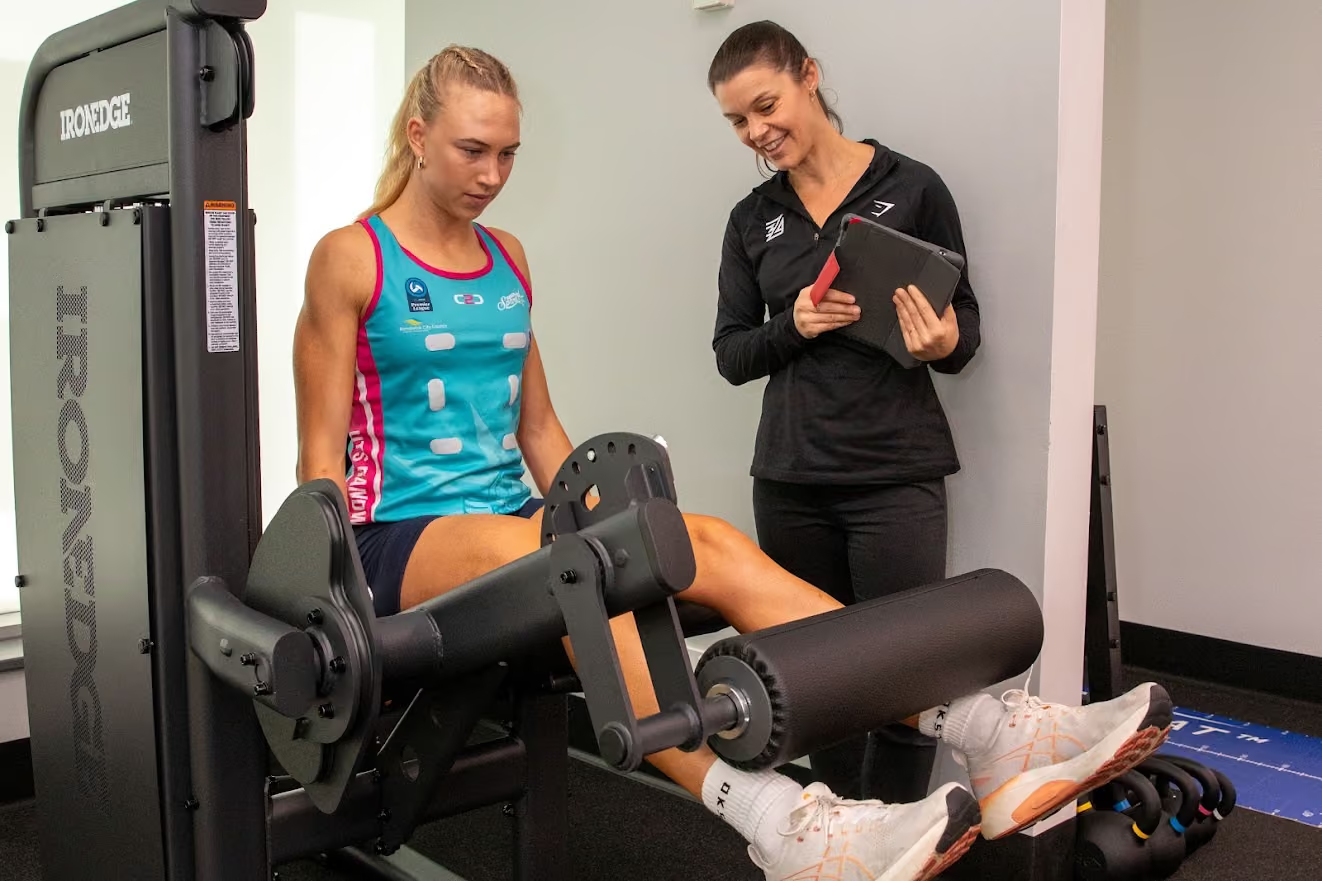
Reclaim your strength, rebuild your confidence, and unlock a safe, permanent return to the sports you love at our Ultimo Active Female Hub.
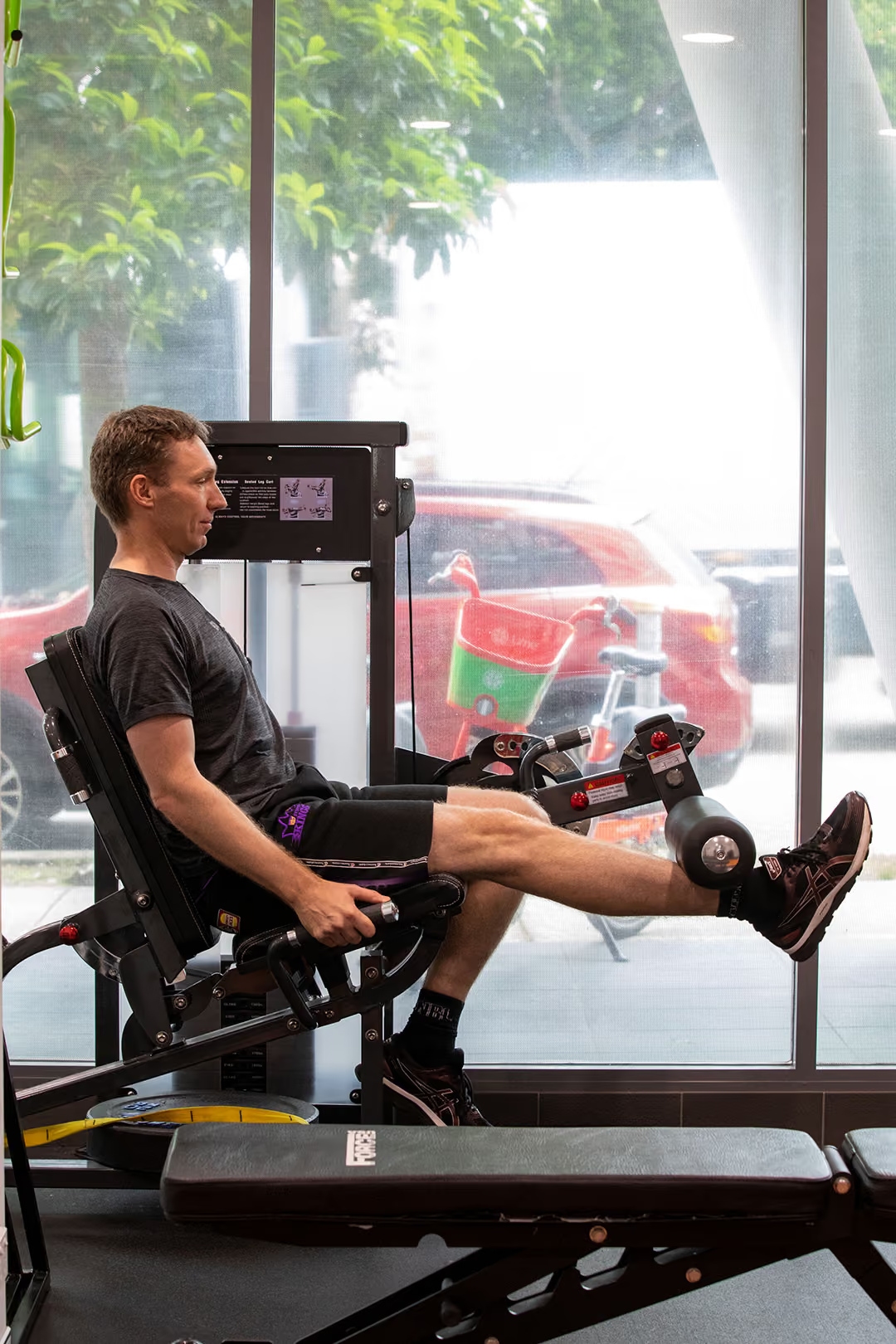
Understanding ACL Injuries
An anterior cruciate ligament (ACL) injury is a tear of the crucial stabilising ligament that connects your thigh bone to your shin bone, often caused by sudden stops or twisting movements. Many people hear or feel a distinct pop in the knee during the injury. This is typically followed by swelling within the next 60 minutes, associated restricted range of motion, and a feeling that the knee is unstable or giving way. For some, daily activities are unrestricted and it is only when attempting jumping or direction change that there is a lack of confidence in the knee.
While the initial pain and swelling naturally calm down after a few weeks, the underlying joint instability remains. Without a structured rehabilitation program or surgical repair, attempting to return to activities with high intensity cutting movements before being physically and psychologically ready is less likely to succeed.
An ACL injury requires immediate attention to protect your long-term joint health and establish a clear plan of action. Starting your rehabilitation right away is essential to reduce swelling, regain full knee extension, and restore muscle activation.
This injury frequently impacts young athletes involved in pivoting sports, active adults who enjoy weekend recreation, and masters athletes striving to stay competitive. However, even everyday individuals who experience an accidental slip or fall can suffer an ACL tear.
Early clinical assessment is important to guide your treatment and determine whether you need to see a specialist to discuss operative or non-operative options. Irrespective of the path chosen, initial stages focus on reducing swelling, waking up the quadriceps, and restoring movement.
Red flags that require immediate medical attention include a completely locked knee joint that cannot bend or straighten. Other urgent signs are a sudden increase in severe pain or indications of a blood clot, such as throbbing heat, redness, and worsening pain in your calf.
Navigating this complex recovery requires specialised care from a sports physiotherapist who understands healing timeframes and advanced strength principles. Both operative and non-operative management can have successful outcomes, dictated by your specific goals, the extent of the tear, and your personal preference.
Targeted, phase-based rehabilitation protocols are proven to safely accelerate recovery times. By utilising objective strength milestones rather than counting weeks on a calendar, we ensure your knee is biologically prepared for each increase in training intensity.
True recovery means addressing the root cause of the injury and correcting biomechanical movement flaws. Comprehensive management focuses on restoring deep neuromuscular control and building explosive single-leg power to minimise the risk of a secondary tear.
Your recovery timeline is driven by how your body actually performs, not guesswork. We utilise high-tech, industry-standard technology to track progress and compare your strength and movement data to normative standards for your age, gender, and sport.
A successful recovery plan must be progressive, highly individualised, and continually adapted to match your personal lifestyle. Because no two knees are identical, your milestones must be dictated by your body's unique data rather than a generic timeline.
Settling joint inflammation, eliminating swelling, and restoring full passive knee extension. We use objective testing to ensure proper quadriceps firing compared to your uninjured side.
Safely reintroducing heavy resistance training to rebuild quadriceps and hamstring muscle mass. Strength is measured against validated data to confirm you meet strict percentage benchmarks.
Setting clear milestones keeps you motivated throughout this 12 month journey. Once appropriate strength is achieved, we progress you though plyometric exercises, return to running, direction change and finally reactionary “chaos” drills.
Who treats this?
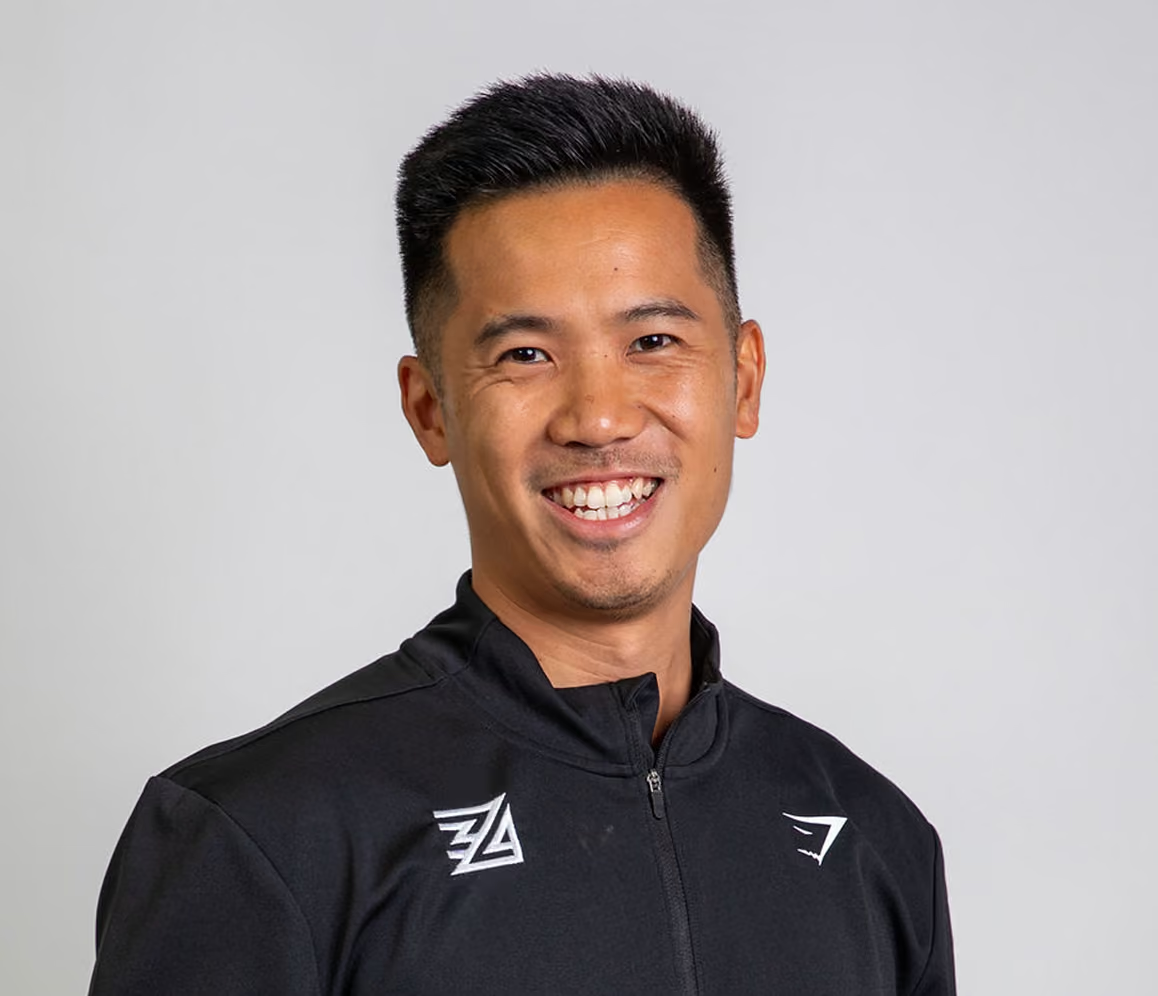
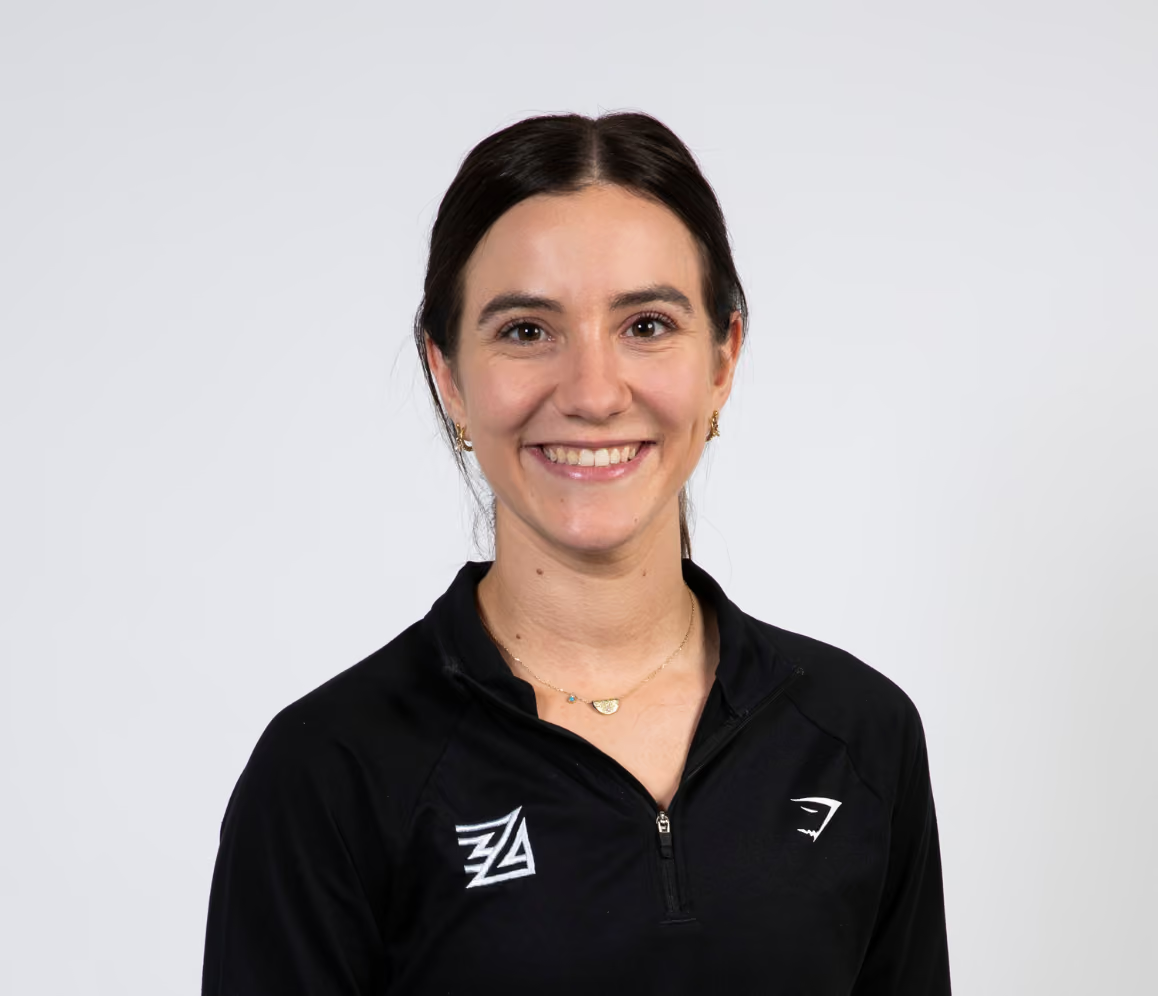
Our experienced team members are ready to help. See their bios below and book online when ready.


.avif)
.avif)
.avif)
.avif)

All major health funds accepted
Private health claiming via Tyro Health EFTPOS terminal











FAQ

The ACL rehabilitation journey is long and can take over 12 months, requiring you to meet specific objective milestones rather than relying on a fixed calendar date. It isn't a rush. Early return to sport without passing set criteria increases the risk of re injury.
No, not all ACL tears require surgery; a non-surgical path can be highly successful for individuals who complete a structured physiotherapy program to build dynamic knee stability.
Most patients are ready to introduce straight-line jogging between three to five months post-operation, provided their injured leg has achieved at least 80 percent of their uninjured leg's strength.
While minor fluid changes can occur after heavy workouts, persistent swelling at six months is generally not normal and typically signals that the knee is being overloaded.
Objective testing ensures your knee is biologically prepared for training increases by comparing your strength data to normative standards, removing guesswork from your recovery timeline.