

Lumbar Bone Stress Fracture
Get back to pain-free movement and elite performance with our specialised, evidence-based management plans.
Understanding Lumbar Bone Stress Injuries
A lumbar bone stress injury is a stress-related condition of the lower back, often caused by repetitive loading like jumping, twisting, or arching. It causes deep-seated pain that can feel like a persistent "tightness" or "tweak," significantly limiting your ability to train or compete. The continuum of bone stress starts with low-grade stress reactions and can progress to stress fractures.
Symptoms typically include localised, deep-seated back pain during or after activity, persistent stiffness that doesn't resolve, and pain triggered by specific movements like running, jumping, or arching your back. In some cases, it even causes pain at night time with complete rest.
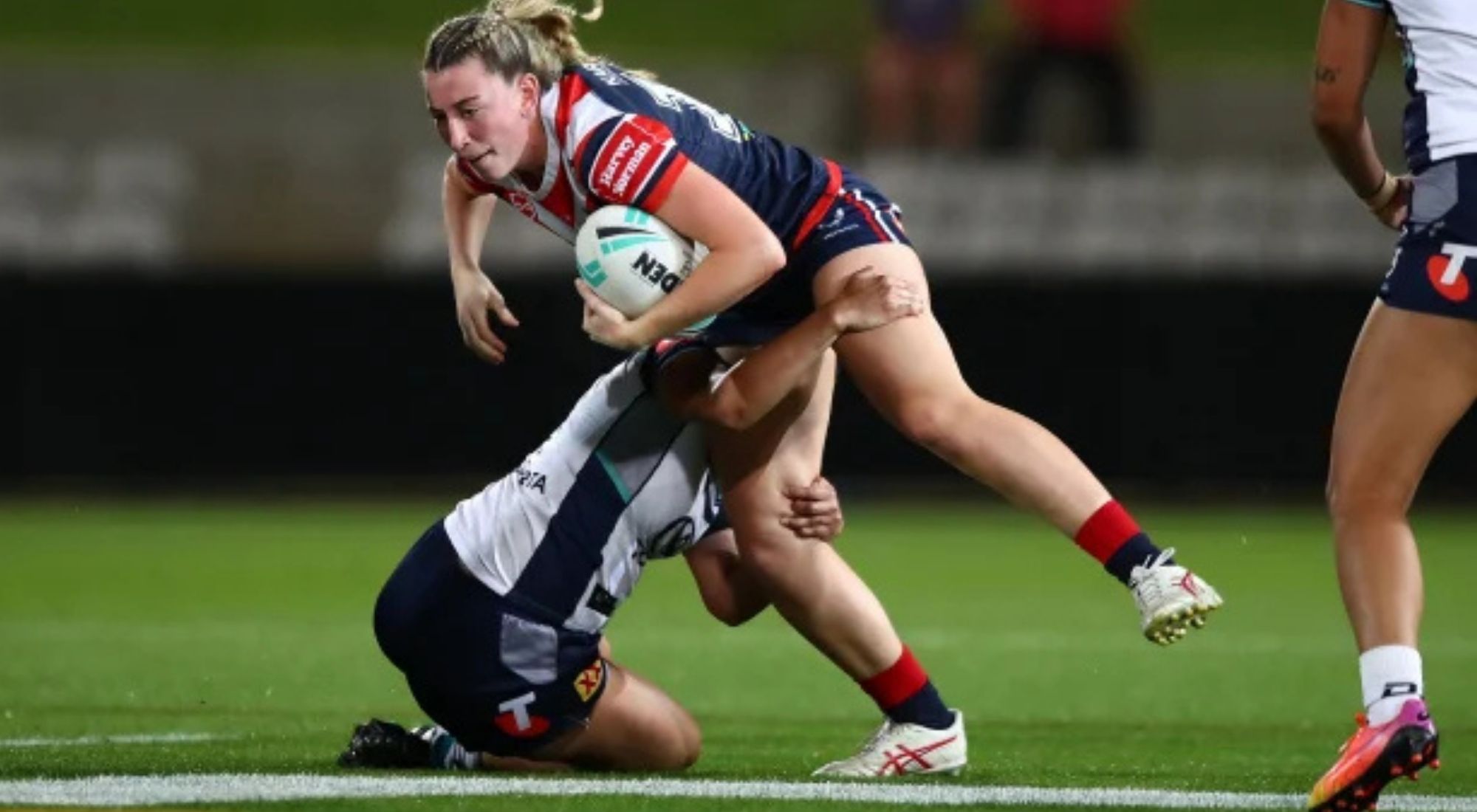
Common in sports that involve extension and rotation
Lumbar stress injuries are exceptionally prevalent in sports involving repetitive spinal extension and rotation, with clinical data showing it affects up to 50% of adolescent cricket fast bowlers, 11–30% of competitive gymnasts, and 8–15% of track and field athletes, alongside growing incidence rates in youth soccer and basketball players subjected to high training volumes.
Youth athletes have the highest rate of stress fracture
While stress injuries occur in elite adult athletes (like fast bowlers or gymnasts) exposed to repetitive extension loading, it is most prevalent in adolescents aged 11–25. At this age, their spines are still maturing and may not yet be adapted to high-magnitude loads.
If you are experiencing persistent back pain linked to repetitive loading, the initial stage requires precise clinical clarity rather than guesswork.
Many individuals come to us having already had a scan to diagnose their stress fracture. Securing an accurate diagnosis through an expert clinical assessment combined with imaging is the crucial starting point. An MRI is typically the gold standard here, as it effectively picks up early bone oedema (swelling within the bone) long before a full stress fracture appears on an X-ray.
When dealing with a serious injury, it is incredibly easy to become overwhelmed by well-meaning tips and advice from friends, parents, or teammates. It is important to filter out this noise. Seek your guidance strictly from expert sports medicine professionals and allied health clinicians who deeply understand bone healing timelines and evidence-based rehabilitation.
Your recovery does not happen in a vacuum. A successful rehabilitation requires alignment between all stakeholders. We prioritise clear, ongoing communication with your sports coaches, Strength and Conditioning (S&C) staff, and school programs to ensure everyone understands your load restrictions as you safely transition through your return-to-sport phases.
Lumbar bone stress injuries are serious structural injuries that demand respect. A wait-and-see approach is not appropriate, and to ensure complete healing, these conditions must be overseen by a specialist medical team working in tandem with your allied health practitioners.
We will refer you to, or collaborate with, a specialised Sports and Exercise Physician already involved in your care. Because lumbar stress fractures must be highly respected, having a specialist oversee your diagnostic imaging and strictly monitor your bone healing timelines is non-negotiable for your safety.
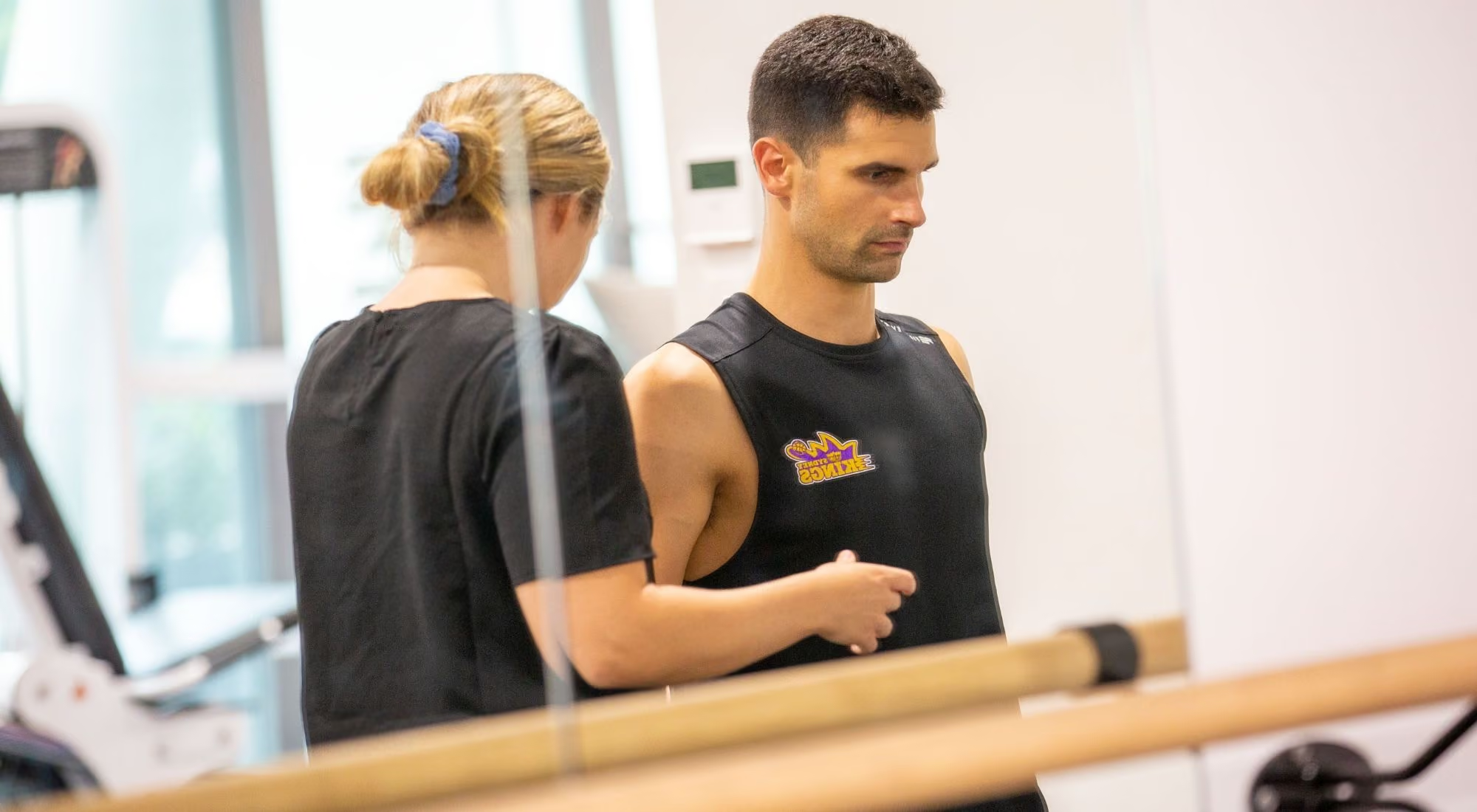
Your Physiotherapist drives the physical side of your recovery. We use precise, provocative movement screenings to correlate your pain with specific mechanical triggers, ensuring your load management plan is based on data, not guesswork. We keep you actively engaged and conditioning without overloading the injured site.
Bone health is built from the inside out. Our in-house Clinical Dietitians partner with your clinical team to optimise your nutritional intake, specifically targeting Vitamin D, calcium, and overall energy availability. This ensures your body has the exact nutritional environment required to heal and strengthen the stressed bone
Zone 34’s systematic approach when managing stress fractures follows the bone healing continuum, ensuring structural resilience before you return to high-intensity sport.
During the initial 0–8 weeks, we enforce strict offloading of provocative activities (extension, rotation, and high-impact) while maintaining systemic fitness via low-load, non-axial strength training.
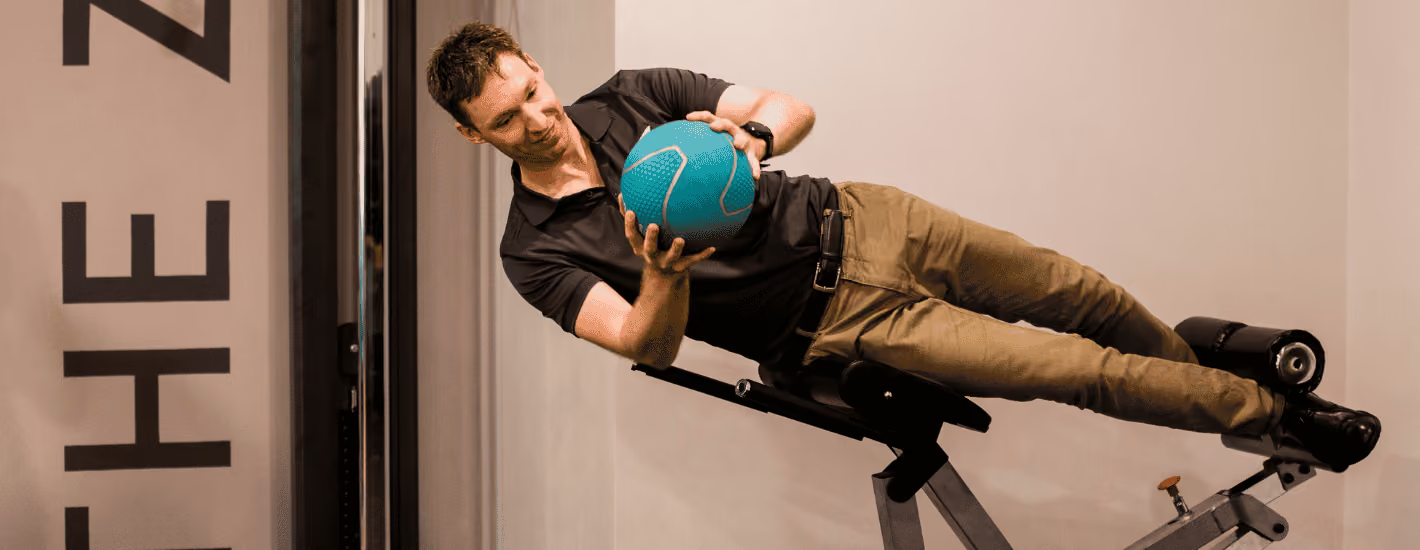
From 8–20 weeks, we gradually introduce progressive loading, focusing on lumbopelvic control and non-axial strength training as we slowly transition you back to jogging and controlled gym movements.
The final stage involves the gradual integration of high-magnitude, sport-specific dynamic loads, including acceleration, deceleration, and plyometric drills. This is carefully monitored by strict "high/low load" day management or consideration of an acute: chronic workload.
Who treats this?
Our experienced team members are ready to help. See their bios below and book online when ready.



.avif)

.avif)

.avif)
.avif)
.avif)

All major health funds accepted
Private health claiming via Tyro Health EFTPOS terminal











FAQ

No. While we must offload the specific spinal structures, maintaining cardiovascular and muscular fitness is essential. We will design a modified program to ensure you maintain your conditioning safely.
Healing timelines vary significantly based on the severity of the injury and your athletic profile. We use objective testing and staged protocols to ensure you return only when your bone is robust enough for high-impact loads.
Lumbar stress injuries often result from a mismatch between skeletal capacity and loading volume. We analyse your training history, biomechanics, and technical execution to identify the "why" and ensure it doesn't happen again.