

Osteopenia
Rebuild your bone strength, optimise your daily nutrition, and safely load your body under expert, data-driven clinical guidance.
Understanding Osteopenia
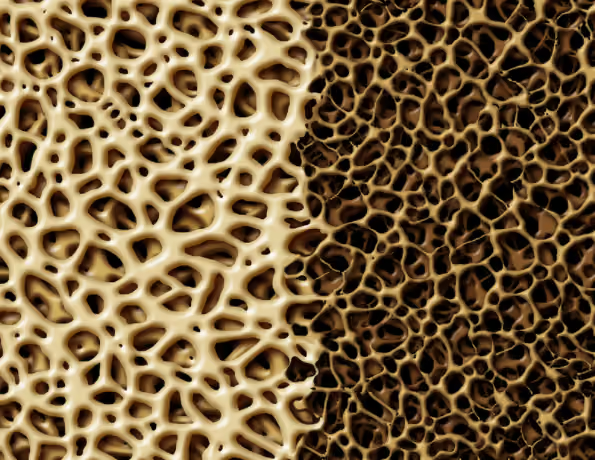
Osteopenia is a clinical condition characterised by lower-than-normal bone mineral density that has not yet progressed to osteoporosis. The mechanism is when the bone remodelling cycle is losing more tissue than it is actively building, which gradually compromises reduces bone mineral density.
A diagnosis is typically confirmed by a lower-than-expected T-score on a DEXA scan (between -1.0 and -2.5) or a history of low-impact stress injuries. Osteopenia, along with training spikes and changes in activity levels, may increae the risk of stress fractures during high-impact training.
Preserving your skeletal framework is a lifelong process, and early clinical intervention is essential to reverse progressive bone loss. Our management meets you exactly where you are, addressing acute bone stress while building a robust, long-term athletic loading blueprint.
If you are presenting with an acute bone stress injury, our early-stage management focuses on localised pain control, protected non-impact weightbearing, and maintaining joint range of motion safely. Further work up may include looking at Vitamin D levels, meeting with a Dietitian to discuss nutrition needs, and working with an Exercise Physiology on a gym and impact based strength program.
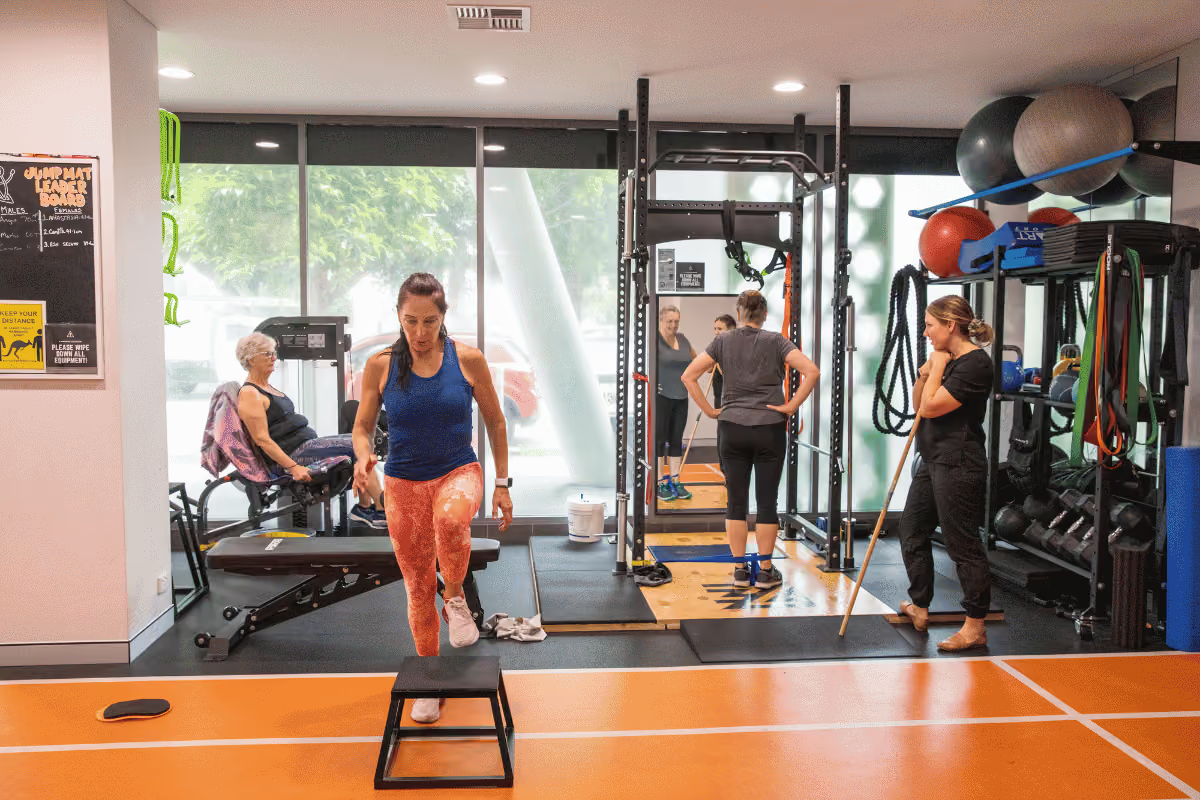
An Exercise Physiologisy is ideally placed to guide you with a structured, multidirectional progressive resistance training to stimulate osteoblast (bone-building) activity and increase local mineral density.
Bone loss frequently affects young athletes managing Low Energy Availability (REDs), pre- and post-menopausal females navigating hormonal shifts, and mature men experiencing gradual testosterone decline.
We move far beyond standard, passive care to deliver an active, collaborative rehabilitation model that targets bone density from every angle. By utilising precise diagnostic data and an elite performance space, we ensure your bones and muscles are systematically built to handle high-impact loads.
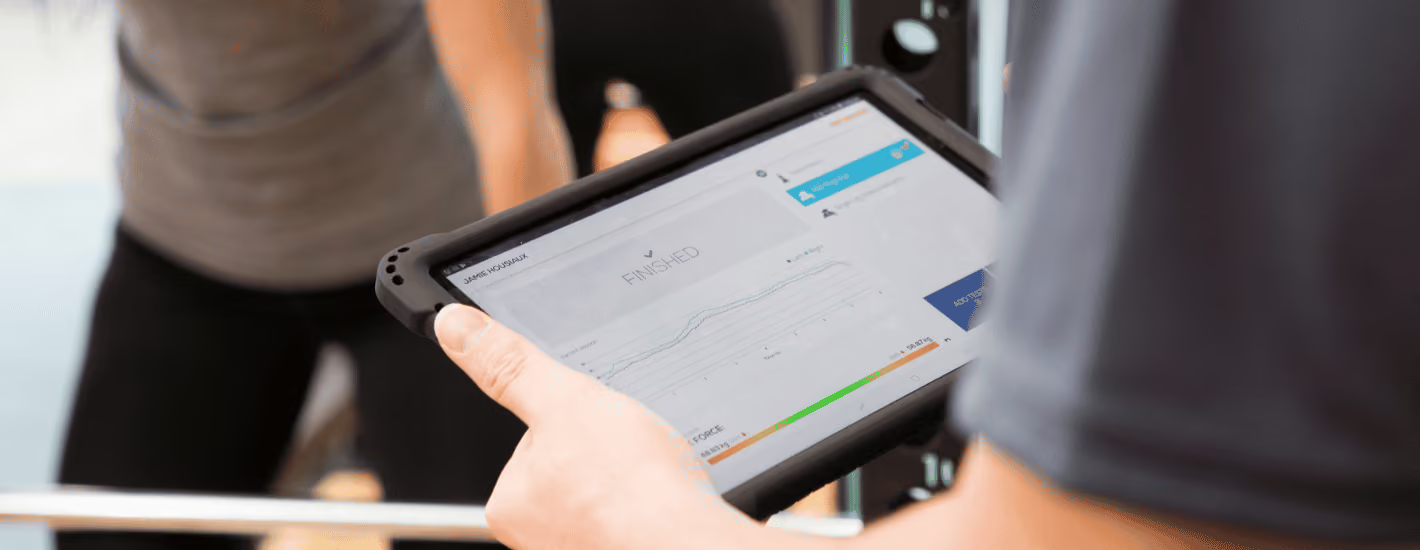
We utilise objective force testing and biomechanical screening via our advanced VALD force plates to measure joint loading symmetry, balance, and physical capacity.
Our Lewisham clinic proudly offers the ONERO program, an evidence-based exercise initiative specifically designed to safely stimulate bone density and prevent functional decline in individuals with osteopenia or osteoporosis.
True bone development cannot happen in a silo; a Lead Physiotherapist manages biomechanics and acute bone-stress symptoms, an Exercise Physiologist designs and supervises structured clinical strength programs to stimulate bone density, and our Clinical Dietitian ensures you are consuming the vital micronutrients required to fuel structural bone remodelling.
A successful approach to reversing bone loss requires targeted interventions that physically and nutritionally prompt your body to lay down new bone tissue. We utilise a combination of specific mechanical loading and metabolic support to safely rebuild your skeletal strength.
Lifting heavy, safe loads creates a mechanical pull on the bones, stimulating osteoblast activity to increase bone mineral density and build the muscular armour needed to prevent falls and fractures.
Activities that safely introduce impact—such as stomping, jumping, or multidirectional stepping—provide the jarring stimulus bones require to actively adapt, thicken, and become more resilient over time.
Mechanical loading cannot work without the right building blocks. Targeted nutritional strategies focusing on calcium, Vitamin D, and sufficient systemic caloric energy are essential to fuel the bone-remodelling cycle.
Who treats this?
Our experienced team members are ready to help. See their bios below and book online when ready.
.avif)

.avif)

.avif)
.avif)
.avif)

All major health funds accepted
Private health claiming via Tyro Health EFTPOS terminal











FAQ

Yes, progressive strength training is one of the most effective ways to treat osteopenia. Under the guidance of our Exercise Physiologists, we construct a personalised program—or integrate you into our structured ONERO classes at our Lewisham clinic—to safely stimulate bone-mineral deposition without overloading your skeletal system.
Your body requires specific nutritional building blocks to maintain and repair bone tissue. Adequate caloric energy, balanced protein, calcium, and Vitamin D are absolutely critical to support the bone-remodelling cycle and prevent your body from pulling minerals from your bones to fuel daily activity.
Not necessarily. While temporary load reduction is required if you are actively recovering from an inflammatory bone stress injury, complete avoidance of impact is generally counterproductive. We use our VALD force plates to evaluate your mechanics and structure a graded return-to-impact program.
While a DEXA scan provides the exact T-score baseline necessary for a formal diagnosis, we can safely begin your tailored, load-managed strength and nutrition program based on our thorough physical and biomechanical assessment while you await formal imaging results.
Clinical guidelines recommend developing adolescents and young adults require 1,300 mg daily. For most healthy adults, 1,000 mg is sufficient, which increases back to 1,300 mg for women over 51 and men over 71. Our dietitians help you hit these targets through whole foods and fortified options.