

Rotator Cuff
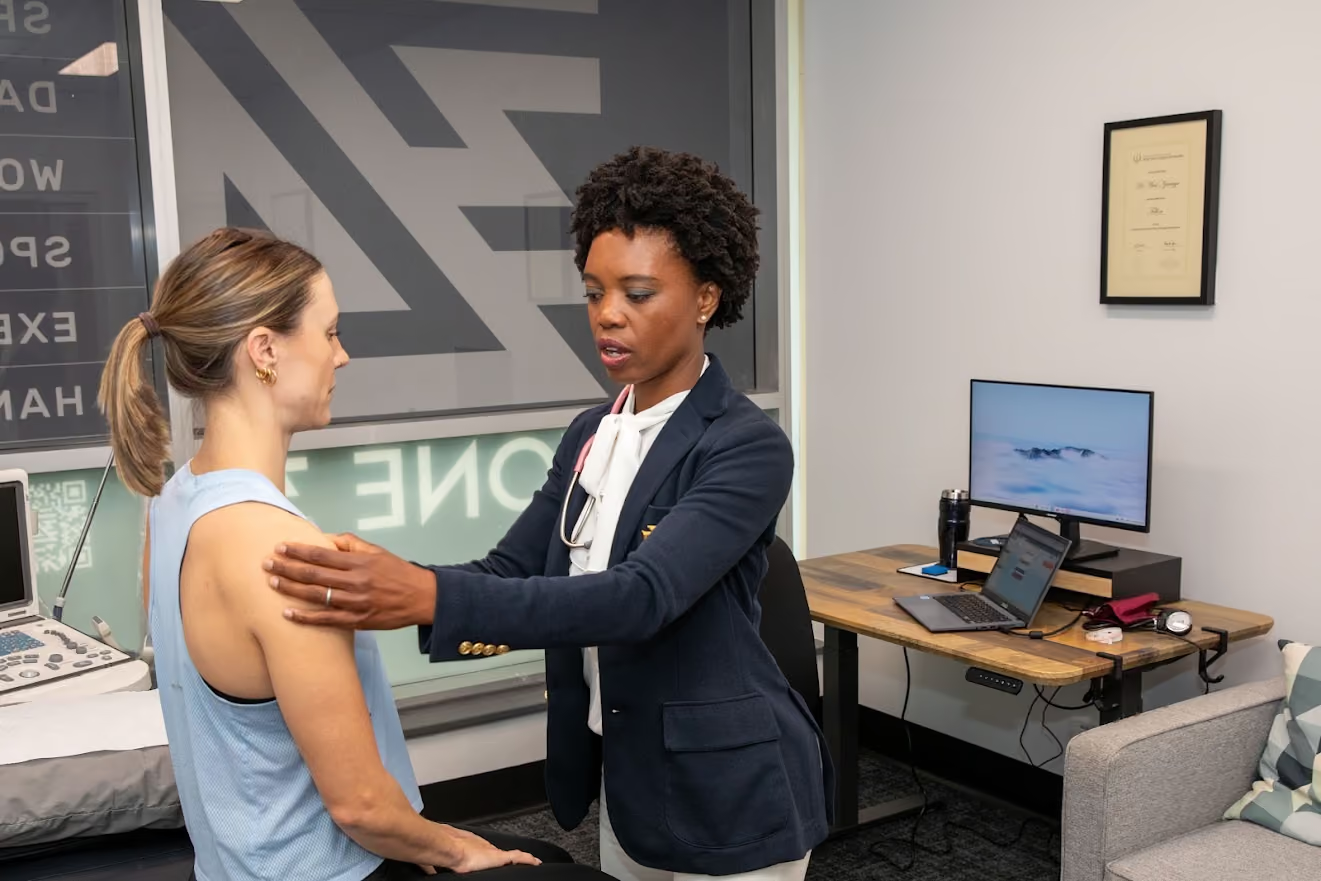
Stop letting shoulder pain dictate your day. Get back to training and life with our evidence-based, non-operative management plans.
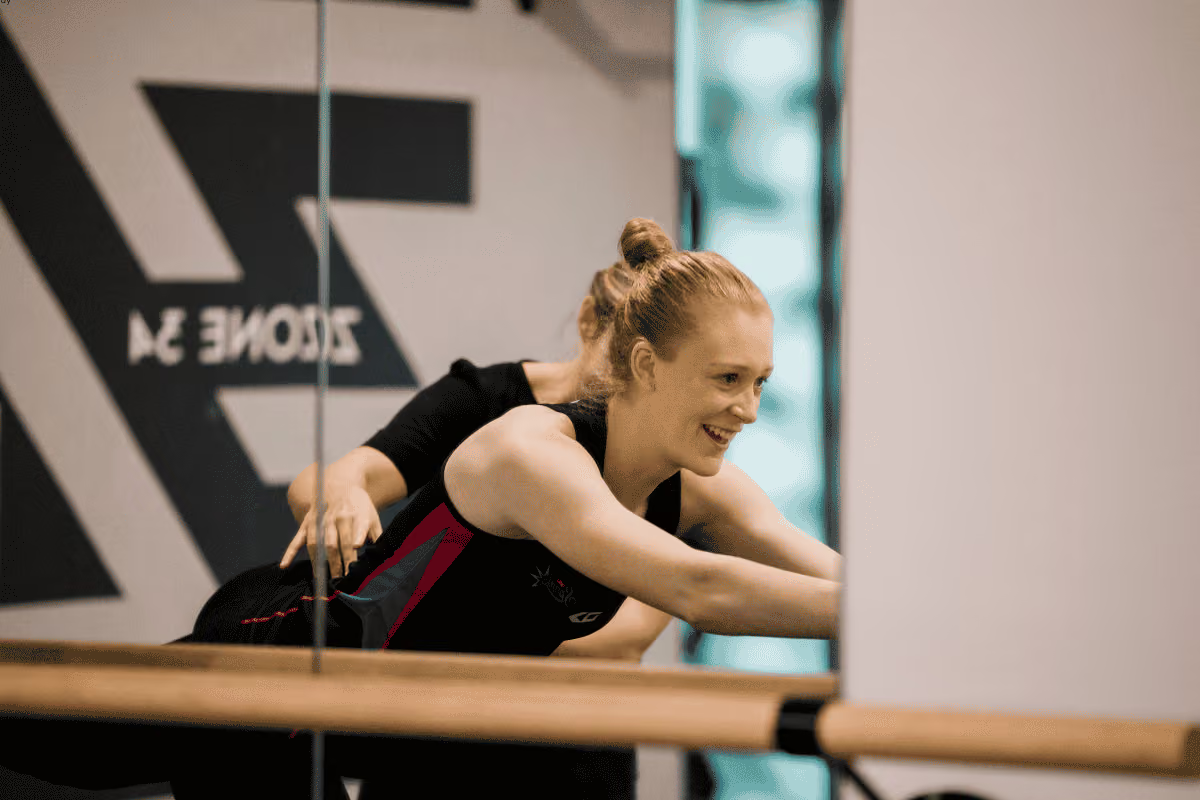
Understanding Rotator Cuff Injuries
A rotator cuff injury involves damage to one or more of the group of four muscles and tendons that stabilise your shoulder and allow you to lift and rotate your arm. Symptoms frequently present as a persistent ache, a restricted range of motion, weakness or feeling like your shoulder is 'catching' or weak. The onset of pain may follow trauma such as a fall or lifting an object, or be a slow insidious onset with no clear cause.
Aggravating activities include lifting objects away from your body, reaching overhead, sleeping on the affected shoulder, or attempting to get through your heavy upper-body training load.
Navigating a rotator cuff tear or severe shoulder pain is supported by experienced clinicians. Our team establishes your goals and guides the process to reduce your acute pain, build your long-term capacity, and support your overall shoulder health.
If you have already had an MRI or ultrasound that shows a rotator cuff "tear", this shouldnt mean the next step is immediate referral for surgery. Finding a rotator cuff tear on an ultrasound or MRI is incredibly common in adults without any shoulder pain. Research demonstrates that asymptomatic tears exist in over 20% of the general population, and this number climbs to over 50% in individuals over the age of 60. Much like "wrinkles on the inside," structural changes to your tendons are a normal part of aging—meaning these imaging findings do not dictate your future, and with targeted strength rehabilitation, you do not have to live with pain.
A Physiotherapist drives the initial diagnosis, applies targeted manual therapies to restore joint mobility, and corrects biomechanical movement patterns to mechanically offload the injured tendon. Physiotherapy may involve manual therapy, early cuff loading, scapular training and thoracic mobility.
A painful shoulder may lead to compensatory tightness in the neck, trapezius, and upper back. Targeted massage therapy is an adjunct that provides symptom relief by releasing this secondary muscle spasm and guarding so you can move more freely.
As your shoulder heals, our Exercise Physiologists take over the progressive strength work and high-level capacity building. They focus on long-term structural resilience, ensuring your rotator cuff is strong enough to handle your specific sport, work, or heavy lifting demands without re-injury.
.png)
It's a common misconception that a rotator cuff tear always means surgery. We do not do 'wait and see' at Zone 34; our philosophy moves beyond passive relief to elite-level physical loading. Many rotator cuff pathologies are successfully managed through targeted, evidence-based strength programs designed to restore function without the need for an operation.
We focus heavily on building the capacity of your remaining healthy cuff tissue so it can seamlessly handle your specific sport or daily load.
By improving how your thoracic spine and shoulder blade moves, we can often mechanically offload the injured tendon and get you moving pain-free.
We use data—including VALD dynamometer or Force Frame strength testing —to know exactly where your baseline sits so your rehabilitation is entirely objective.
We have a systematic way to load your tissue up so it’s resilient, not just pain-free. This phased approach ensures your recovery is progressive and tailored specifically to your sport or work demands.
We start by getting your symptoms under control, providing load management education, and guidance on activity modification along with emphasising what you can safely do
As the tendon symptoms stabilise, we get stuck into progressive strength work and capacity building that’s actually relevant to your lifestyle.
It is completely normal to experience some discomfort while rehabilitating a tendon, but understanding acceptable pain limits is crucial. We use a simple traffic light system to monitor your load: a pain level of 0–2 out of 10 is a green light to proceed. Pain hovering at a 3–5 out of 10 is acceptable, provided it settles quickly post-exercise. However, pain greater than a 5 out of 10, or an ache that noticeably increases over the next 24 hours, is a clear indicator that the load or activity was too much for your current capacity and requires modification. This guide should be discussed with your clinician to ensure it is appropriate for you.
Who treats this?
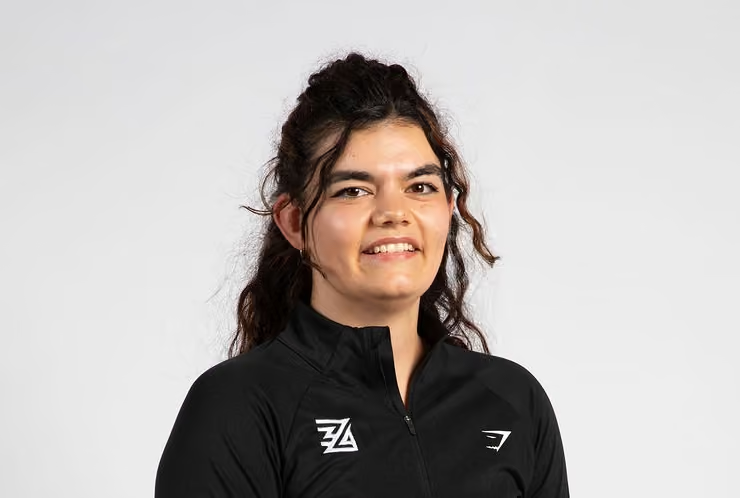
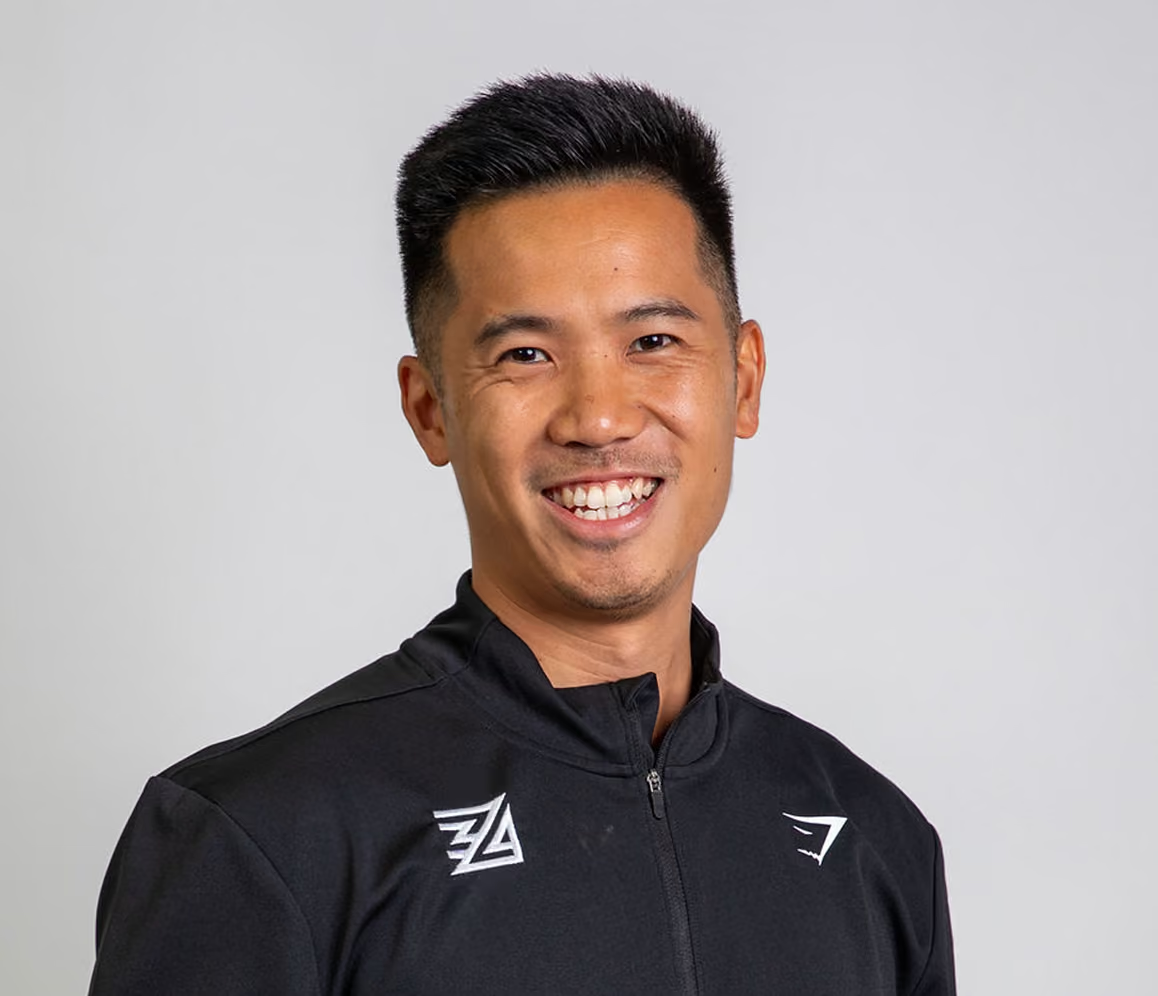
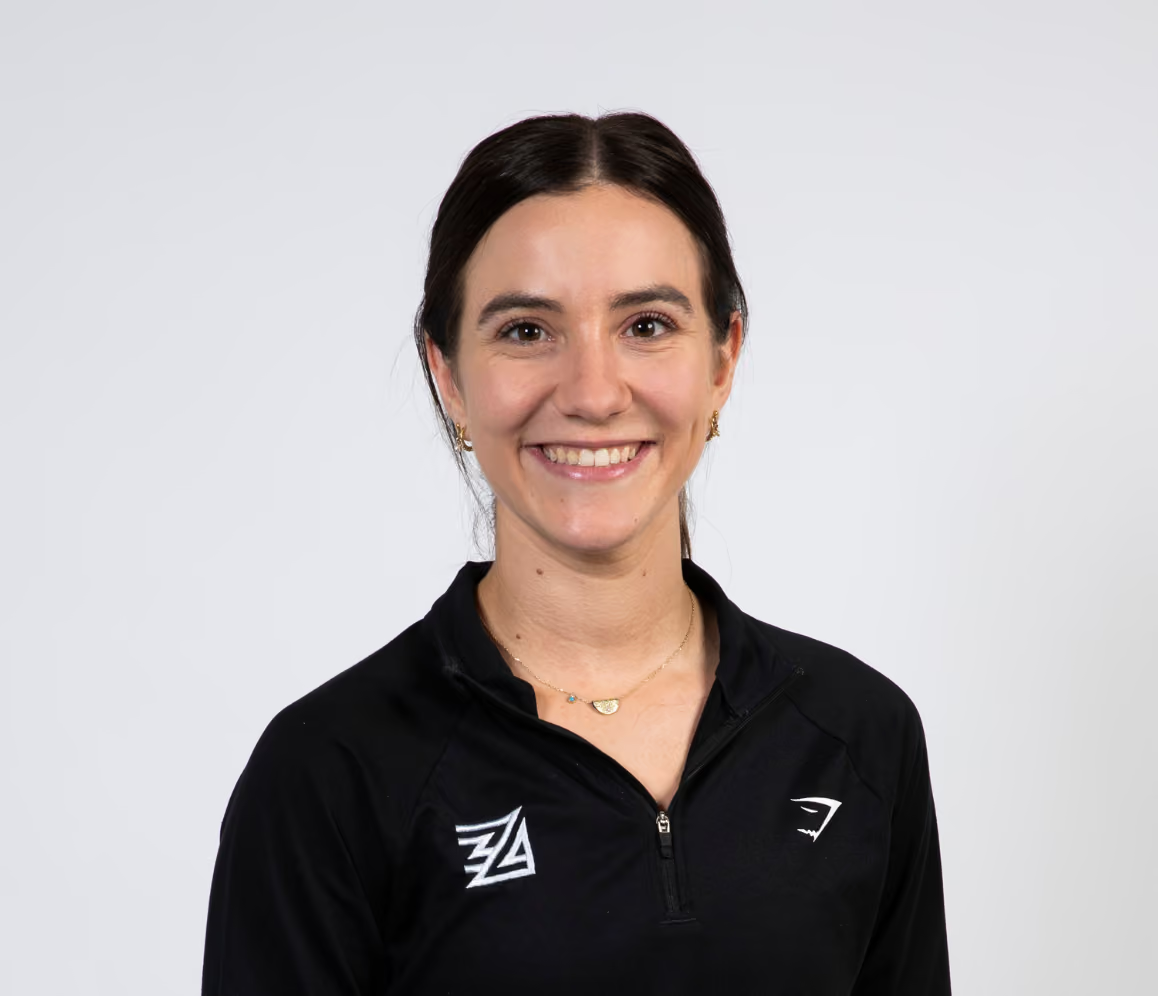
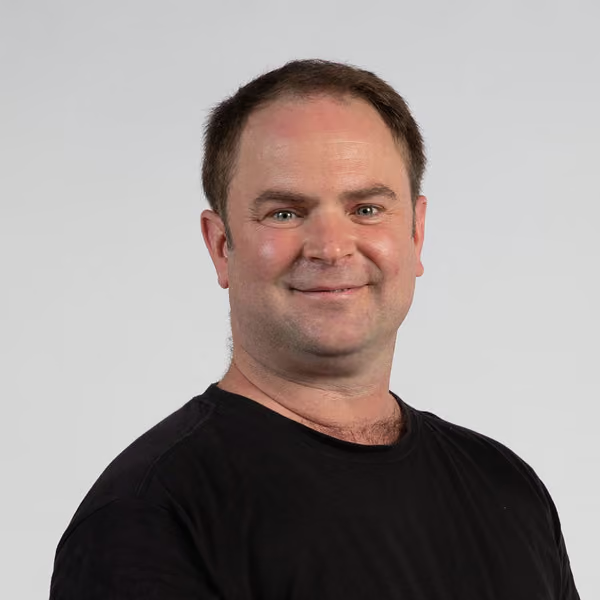
Our experienced team members are ready to help. See their bios below and book online when ready.
.avif)
.avif)
.avif)
.avif)
.avif)

All major health funds accepted
Private health claiming via Tyro Health EFTPOS terminal











FAQ

Recovery timelines vary based on the injury severity, but most patients see significant improvement within 6–12 weeks of structured loading.
Not necessarily; our clinical assessments often provide the baseline data needed to start treatment immediately.
In most cases, we find ways to modify your load so you can stay active while we address the underlying pathology.
While a physical tear in the tendon may not perfectly close up on its own, structured loading and rehabilitation actively build the capacity of the remaining healthy tissue. This allows the shoulder to fully regain its strength and pain-free function without requiring surgical repair.
A rotator cuff tear involves damage to the muscle or tendon itself, whereas bursitis is inflammation of the fluid-filled sac (bursa) that cushions the joint. They often present together and have very similar aggravating factors, and both respond exceptionally well to our targeted biomechanical strengthening programs.